Fairfield CT Beach vs Downtown Living: Key Differences
July 23, 2026
July 23, 2026
If you’re deciding between Fairfield’s shoreline and its town center, you’re really choosing between two very different daily routines. One puts the beach and water access at the center of your week, while the other makes walkability, dining, culture, and train access easier to build into everyday life. If you want a clearer picture of how Fairfield CT beach vs downtown living compares before you buy or sell, this guide will help you sort through the tradeoffs. Let’s dive in.
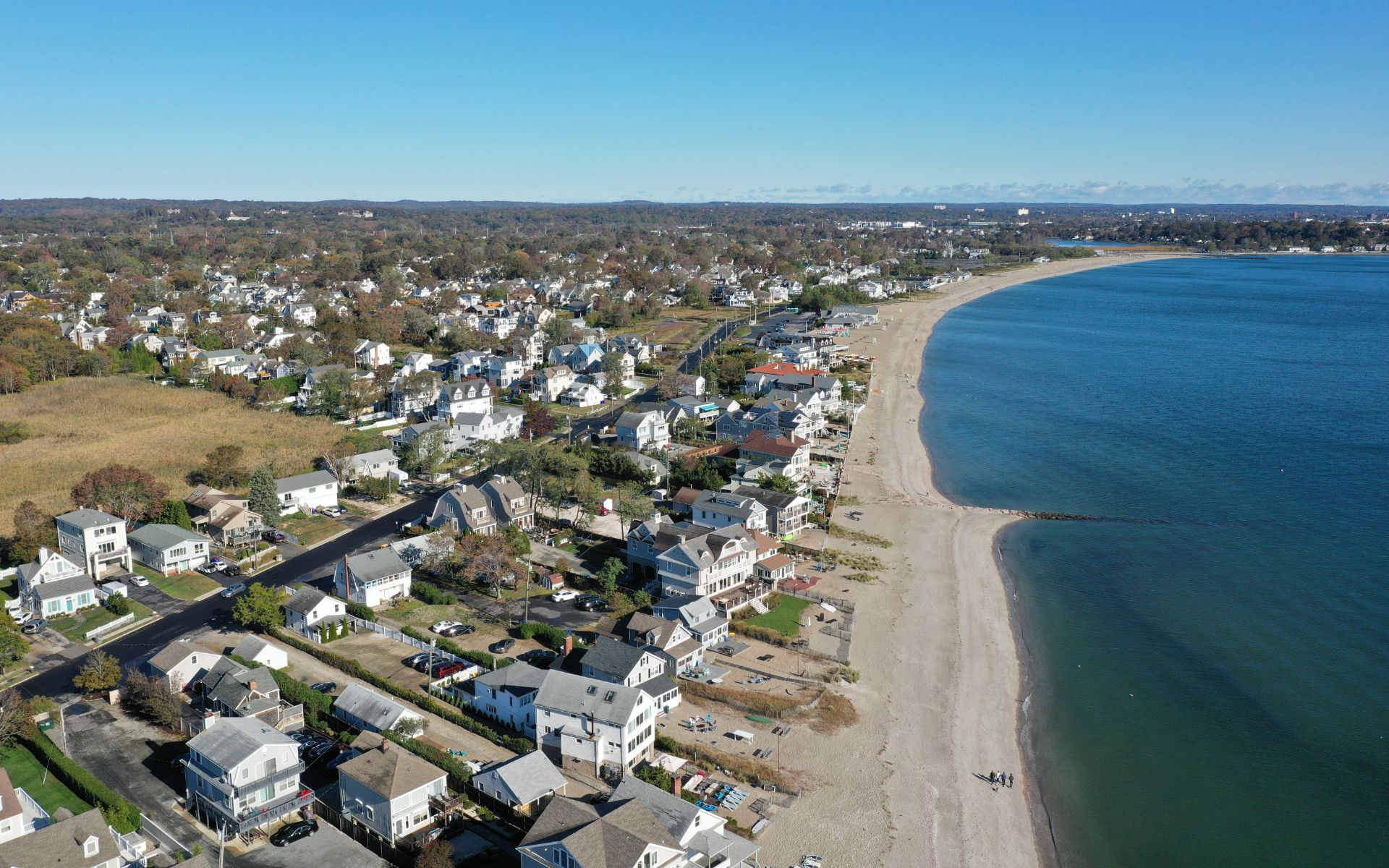
Fairfield is a coastal community on Long Island Sound, and that geography shapes how different parts of town feel. The shoreline areas, including Fairfield Beach and Sasco Hill, are tied closely to the water and to the town’s coastal planning priorities.
Downtown Fairfield is centered around the historic , Old Post Road, Post Road, and the Fairfield Center station area. Connecticut’s approved Fairfield Cultural District describes this part of town as a walkable downtown core, which helps explain why it appeals to buyers who want more errands and activities within easy reach.
An important physical detail also helps explain the contrast. Fairfield’s resiliency report notes that the New Haven Line sits on a raised berm that separates shoreline neighborhoods from the more inland community, so beach living and downtown living can feel more distinct than they might on a simple map.
If you picture your ideal day starting with a walk near the water or ending with time by the shore, Fairfield Beach living may feel like the natural fit. This side of town is built around shoreline access, outdoor recreation, and a rhythm that often feels more seasonal.
The town operates five public beaches on Long Island Sound, and beach rules shape part of daily life. Seasonal permits are required for town beaches, and daily parking fees may apply at Jennings Beach and Penfield Pavilion, so access and parking are practical details you will want to understand.
Fairfield Beach has a long cottage history that still influences its character today. The Fairfield Museum notes that the first permanent beach cottage was built in 1891, followed by many more as the area evolved from a seasonal district into a more established residential community.
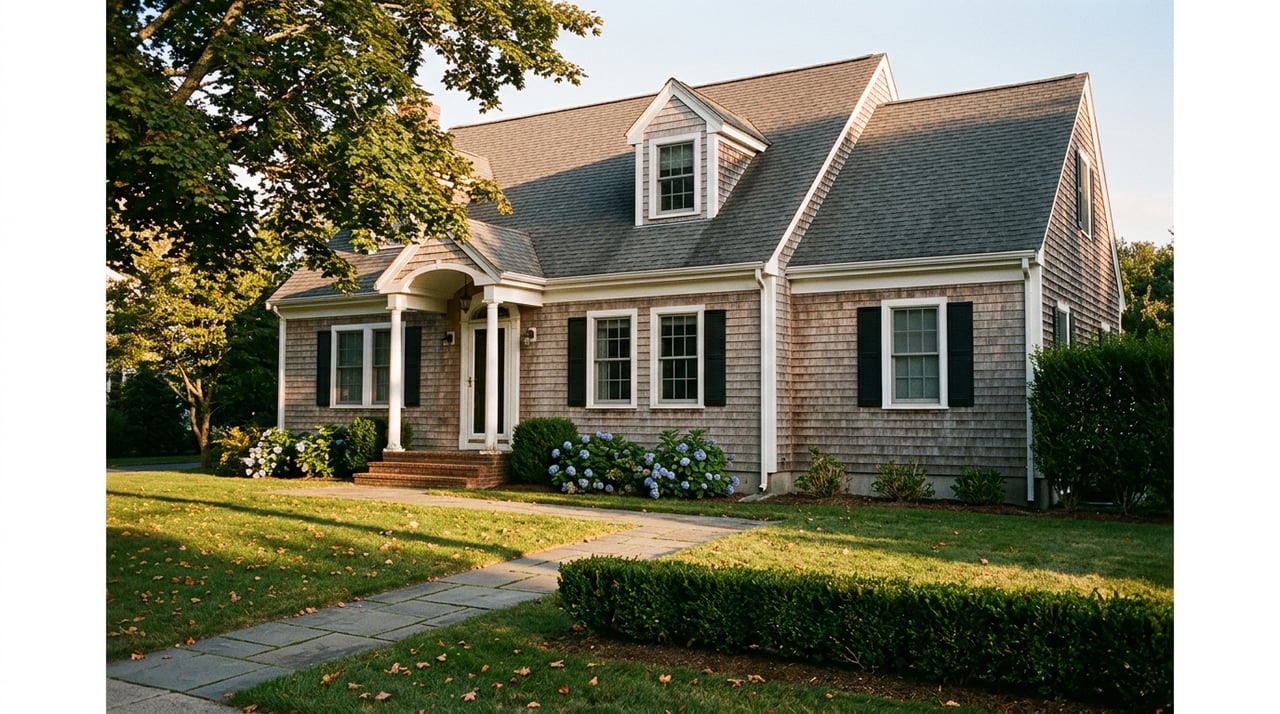
Today, the housing mix is varied rather than uniform. You can find original beach bungalows, capes, colonials, and newer luxury construction, along with homes that were elevated or rebuilt after major storms.
That means beach neighborhoods often appeal to buyers who like a setting with architectural variety and a strong sense of place. It also means you may be comparing homes with very different ages, construction histories, and adaptation updates.
Living near the beach tends to make recreation part of your normal schedule. Jennings, Penfield, and Lake Mohegan also have food concessions, which adds to the convenience of warm-weather outings and casual summer routines.
For many buyers, that is the main draw. You are not just buying a house near the coast. You are buying into a lifestyle where the shoreline becomes part of how you spend free time.
Downtown Fairfield is the stronger fit if you want more of your day-to-day life within a compact area. The town’s cultural district includes the historic town and a vibrant downtown setting with restaurants, coffee shops, boutiques, galleries, theaters, the public library, and the Fairfield Museum and History Center.
For buyers who want to walk to dinner, meet a friend for coffee, browse local shops, or stop by the library, downtown offers a more amenity-rich routine. It feels less like a getaway setting and more like a true live-near-everything hub.
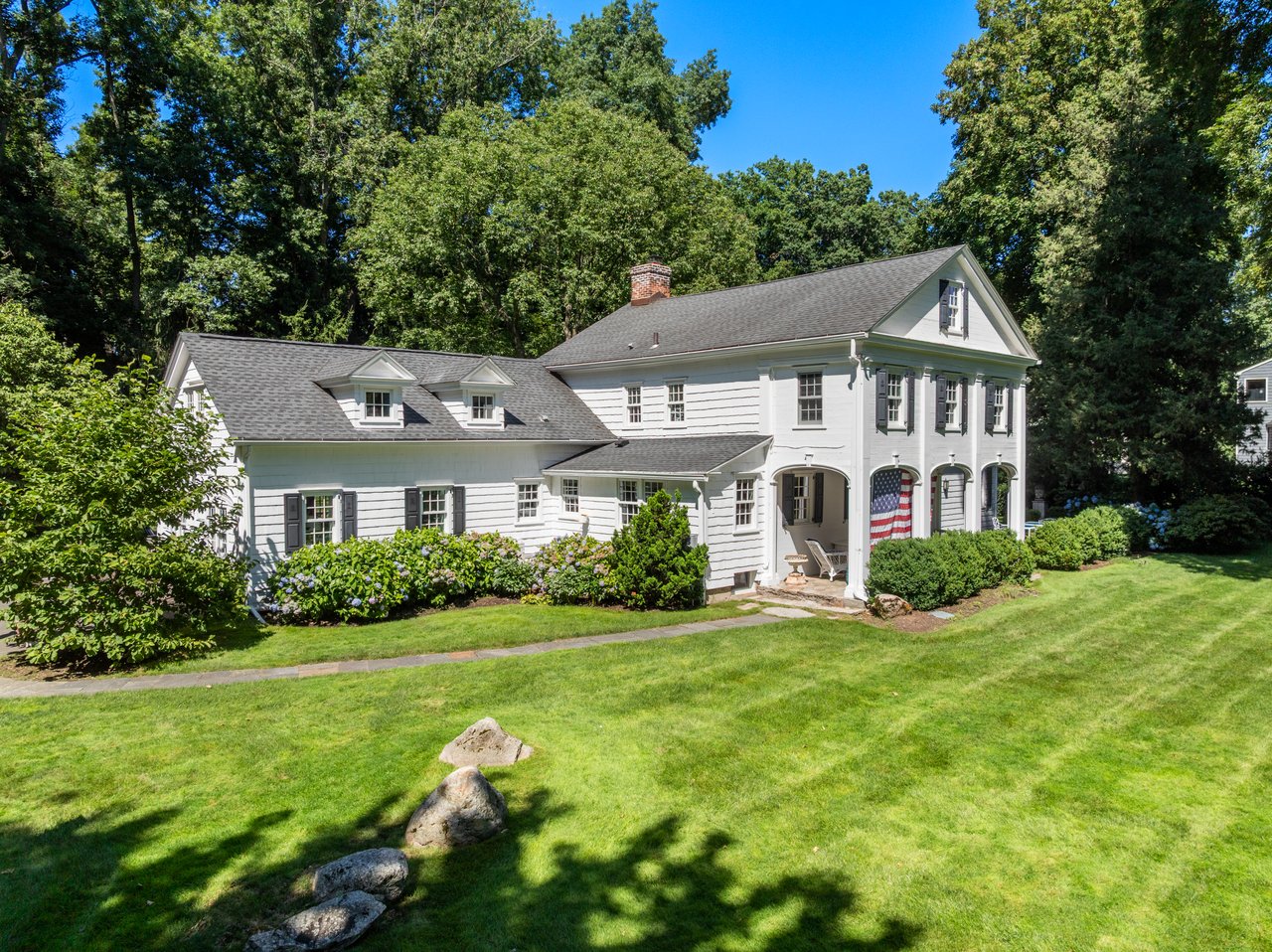
Downtown and Fairfield Center offer a different kind of housing mix. In the historic core, the streetscape includes Colonial, Federal, Greek Revival, Italianate, Shingle, Colonial Revival, and Dutch Colonial Revival styles, giving the area a layered architectural character.
At the same time, the town’s transit-oriented development planning points to support for apartments, condominiums, and townhouses in the Downtown Fairfield and Fairfield Metro station areas. So downtown living can mean a historic single-family home, a more compact attached home, or newer higher-density housing near transit.
That range can be helpful if you want options. Some buyers want the charm of the historic center, while others prefer lower-maintenance living closer to the station and downtown services.
If your first question is which area is more walkable, downtown has the stronger case. The cultural district is specifically described as walkable, and many of Fairfield’s civic, cultural, dining, and retail destinations are clustered in that central area.
That kind of layout matters in daily life. It can mean fewer short car trips and easier access to coffee shops, restaurants, performances, and routine errands.
Beach neighborhoods offer a different kind of convenience. Their strength is not concentrated retail or errand-running. It is easier access to shoreline recreation and a home base that feels more connected to the water.
For some buyers, that tradeoff is worth it every day of the year. For others, it is ideal in theory but less practical if they want to walk to dinner, hop on the train, or keep most errands close to home.
Fairfield sits on Metro-North’s New Haven Line, and Fairfield, Southport, and Fairfield-Black Rock are among the Connecticut stops on the route to Grand Central Terminal. That makes train access a major part of the downtown conversation, especially for buyers relocating from New York or nearby metro areas.
Living near Fairfield Center can make station access much easier if you hope to walk to the train. That said, the town’s parking department reported that Fairfield Center and Southport train-station parking permits were waitlisted as of January 21, 2026, so buyers planning to drive to the station should verify parking before they purchase.
From the shoreline, the commute dynamic is usually different. Because the rail line sits on a raised berm between shoreline neighborhoods and inland areas, beach-side living often involves an added car or bike leg to reach a station or complete inland errands.
That does not make beach living inconvenient for every buyer. It simply means the pattern of movement is different, and station-side ease is usually less of a selling point than shoreline access.
One of the biggest practical differences in Fairfield CT beach vs downtown living is how much attention you may need to give to long-term property planning. Fairfield’s coastal vision highlights shoreline management, flood plain issues, and beach districts as important parts of coastal ownership.
The Fairfield Museum also notes that many shoreline homes were elevated or rebuilt after storms to meet FEMA flood-zone requirements. That history matters because it affects how you evaluate condition, updates, and how a property has adapted over time.
Downtown buyers still need normal property due diligence, of course, but they are generally not weighing the same shoreline-specific considerations. If you want to reduce the number of coastal factors in your home search, the center of town may feel more straightforward.
This is one reason downtown can be attractive to relocators. It often offers a simpler balance of walkability, commuter convenience, and housing variety without the same level of shoreline-related planning.
Beach living may be the better fit if you are drawn to:
Downtown living may be the better fit if you want:
If you are buying, the choice often comes down to how you want your day to feel. Buyers relocating from NYC often lean downtown for train access and walkability, while buyers prioritizing a shoreline lifestyle often gravitate toward Fairfield Beach or nearby coastal areas.
If you are selling, it helps to understand that these two markets speak to different priorities. A beach property often attracts buyers focused on water access, recreation, and the special character of shoreline living, while a downtown-area home may resonate more with buyers seeking convenience, culture, and commuter-friendly positioning.
When you understand those differences clearly, it becomes easier to price, market, and evaluate a home in the right context. That kind of micro-market perspective is especially valuable in a town like Fairfield, where the lifestyle contrast is so defined.
If you’re weighing Fairfield’s beach neighborhoods against downtown, or preparing to sell in either area, Jennifer Lockwood can help you make sense of the micro-market differences and plan your next move with confidence.
Buying a Home
Are Home Prices Finally Coming Down in Fairfield County? Here's What the September Numbers Tell Us.


With a deep understanding of the luxury market and a commitment to staying ahead of the curve when it comes to technology and communication, I am able to provide a truly unparalleled level of service to my clients.