Explore Fairfield CT Walkable Neighborhoods
Blog February 19, 2026
Blog February 19, 2026
If you could step outside and walk to coffee, the train, dinner, and the beach, would that change how you live your day? In Fairfield, it can. Whether you are relocating from the city or moving across town, a walkable routine saves time, reduces stress, and turns small errands into fresh‑air breaks. In this guide, you’ll learn where walkability shines in Fairfield, how the NYC commute fits in, and what housing options support a car‑lite lifestyle. Let’s dive in.
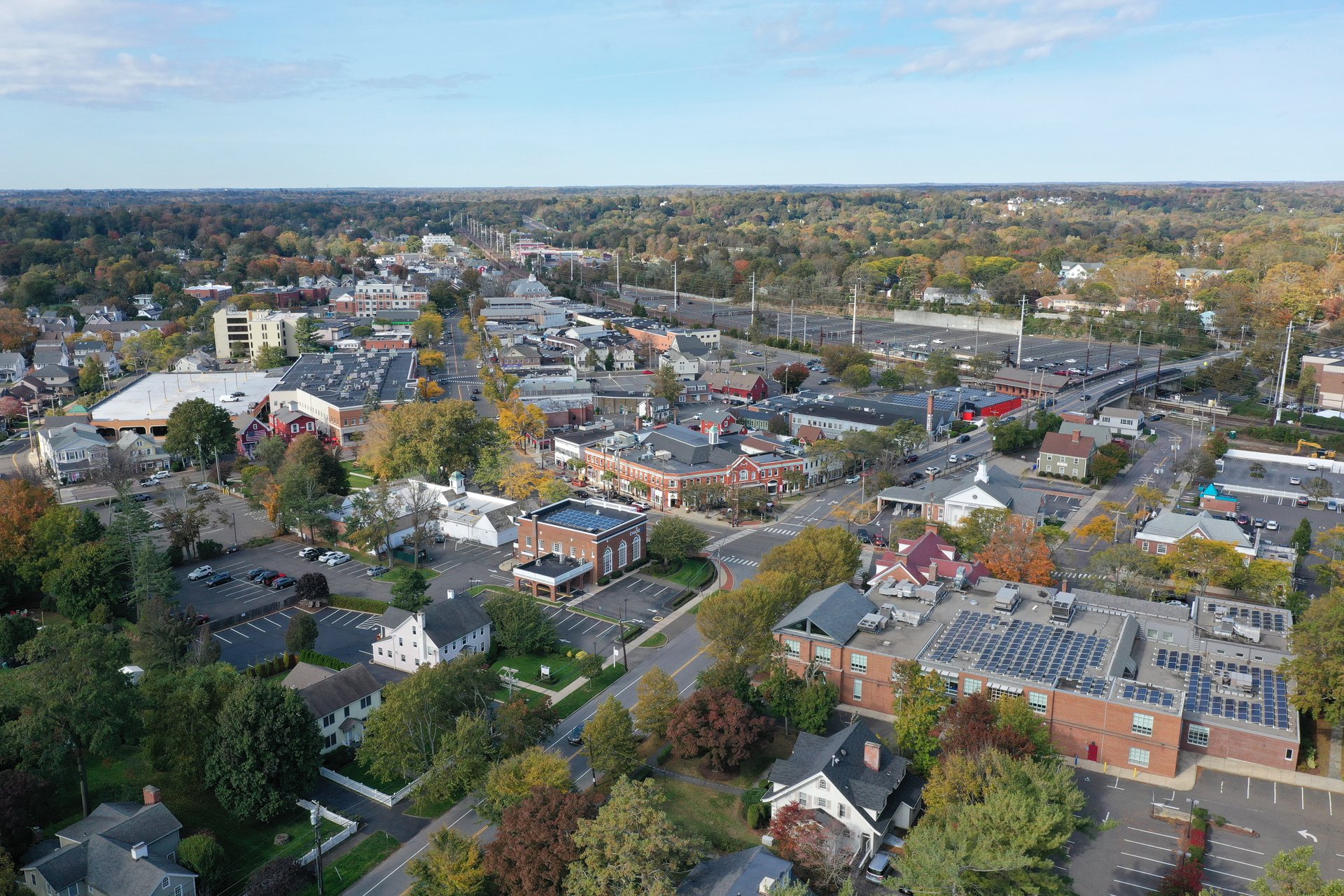
Walkable Fairfield centers on a few compact areas where you can reach daily needs on foot in about 5 to 15 minutes. Near Fairfield Center and parts of Grasmere, Walk Score samples land in the mid‑70s to 80, which is considered Very Walkable. Most errands can be done on foot in these blocks. You can review an example for the downtown area on Walk Score’s Fairfield page.
Transit is the backbone of a car‑lite life here. The Metro‑North New Haven Line stops at Fairfield (downtown), Southport, and Fairfield–Black Rock. Schedules change, so check the MTA New Haven Line timetable for exact trains.
Fairfield’s Transit Score is lower than big cities. Bus service exists, but frequency is limited compared with rail. Local reporting has documented service reductions on the Coastal Link in recent years, so treat buses as supplements rather than daily anchors. For context, see this overview of schedule changes on the Coastal Link bus.
Downtown is a classic New England village core with tree‑lined sidewalks, independent shops, and restaurants around the town green. Cultural programming adds life to the streets, from seasonal markets to exhibitions at the Fairfield Museum & History Center. If you want to walk to coffee in the morning and grab dinner on the way home, this is where that rhythm feels easiest.
You’ll see a mix of older multi‑unit buildings, small condo conversions, and a few newer condo options, with single‑family streets just beyond the core. Many listings near here highlight “steps to town and train,” since Fairfield station is usually a short walk.
Plan on a simple, car‑free routine: coffee, pharmacy, small grocery or market, the library, and casual or sit‑down dining are all in reach. The walk to the train often takes 10 to 15 minutes for in‑town addresses.
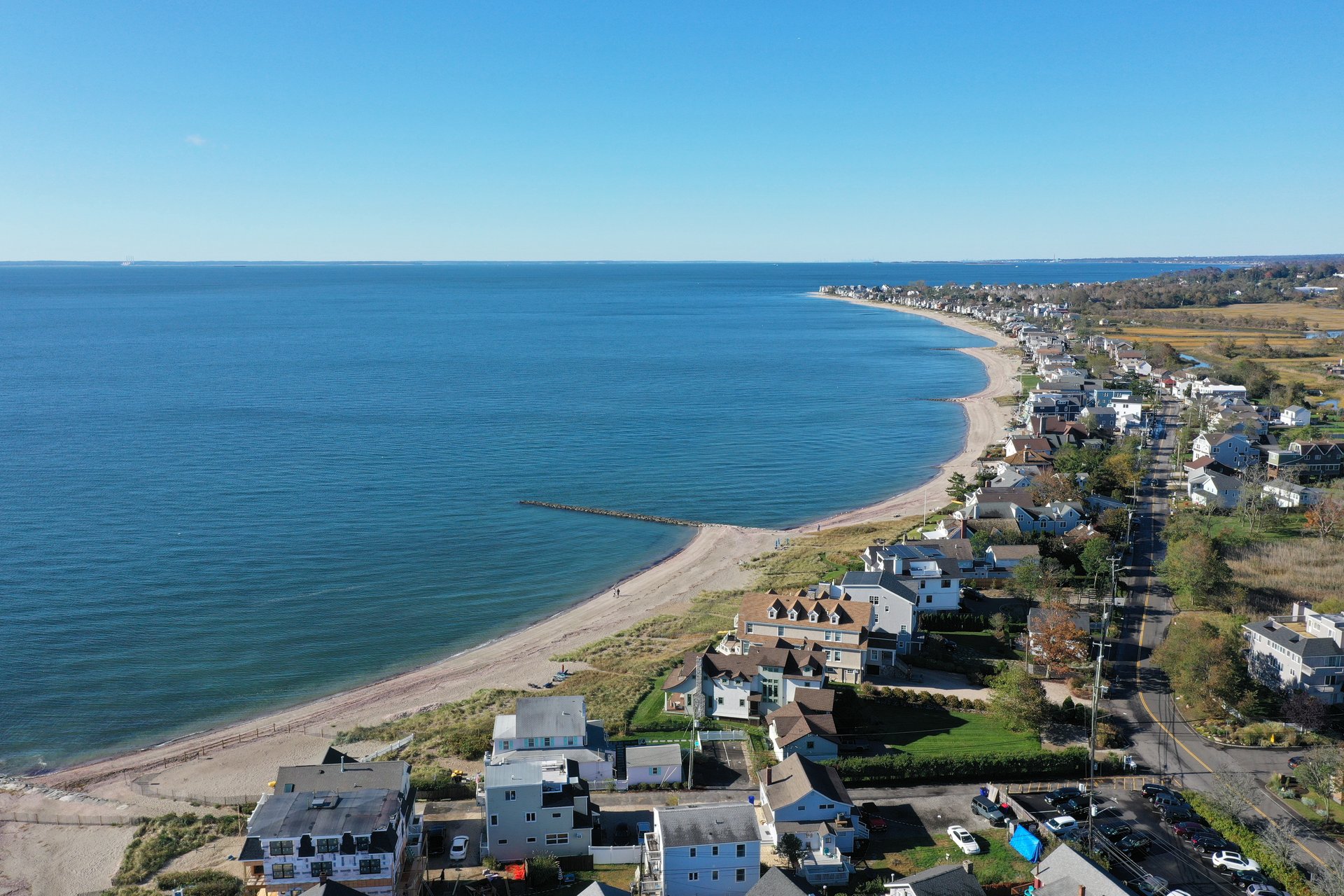
Life along the shore centers on the sand, marinas, and relaxed dining. Morning walks on the beach and sunset strolls are part of daily life for close‑in residents. The shoreline parks are popular year‑round; get an overview of local beaches through Visit Connecticut’s beach guide.
Expect beach cottages, renovated colonials, and higher‑end coastal homes, with a handful of condos and duplexes near the water. In exchange for proximity to the sand, you typically trade lot size for location and pay a premium relative to inland neighborhoods.
Fairfield’s beaches are public, but in‑season parking rules and resident stickers apply. If you plan to drive and then walk onto the beach lots in summer, review the town’s seasonal rules on Fairfield beach access and stickers so you know what to expect.
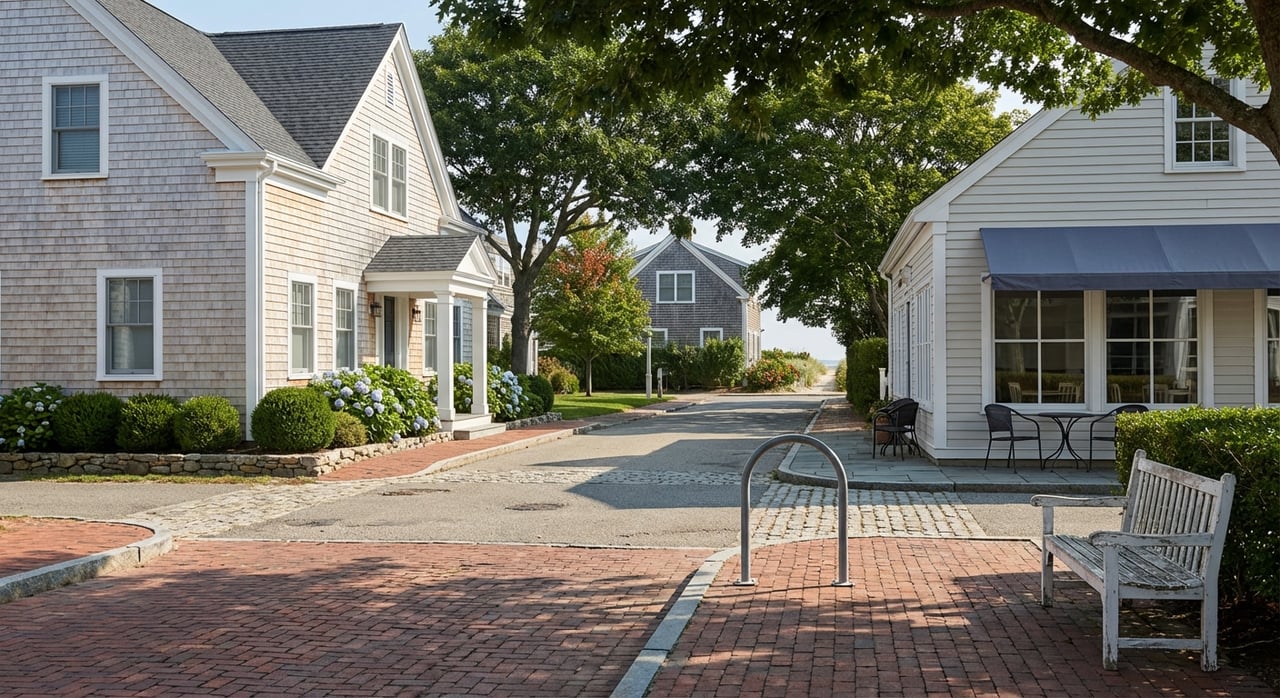
Southport is a historic harbor village with a compact, low‑traffic feel. You’ll find small boutiques and dining near the waterfront and a built environment that invites short, scenic walks. The scale is intimate, with sidewalks that make daily loops easy.
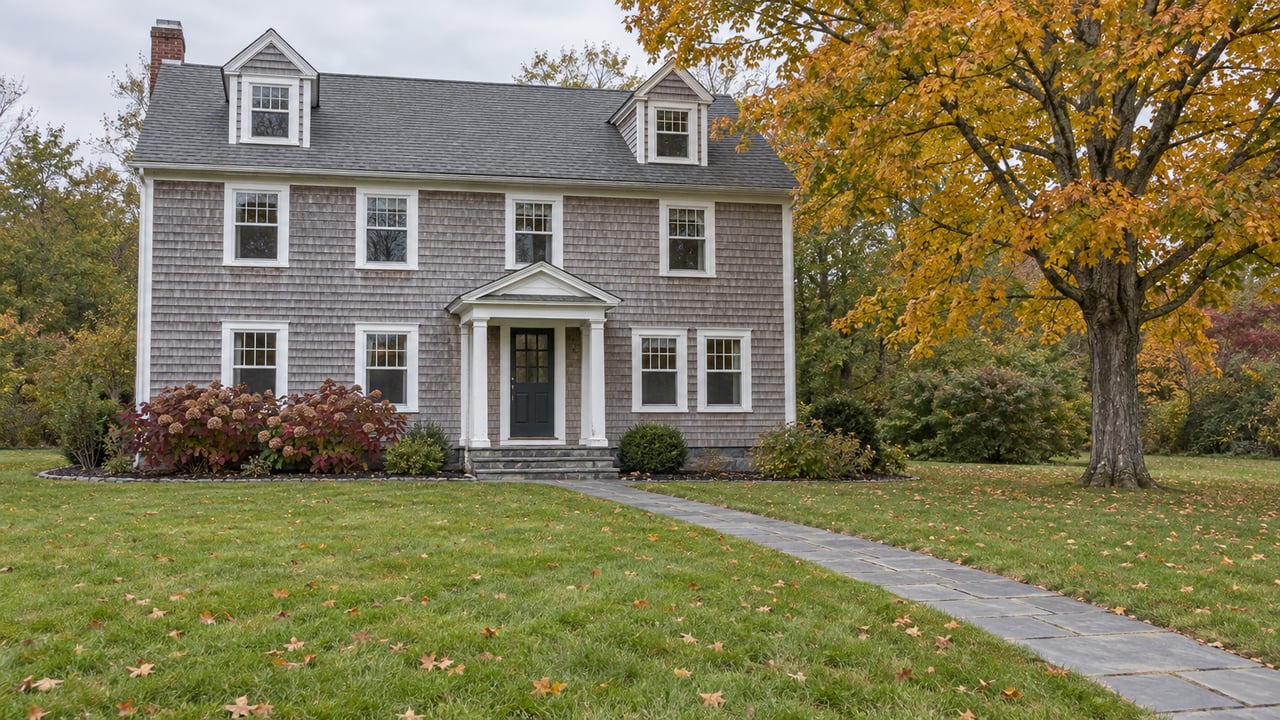
The village core features restored period homes, townhouses, and older single‑family properties on smaller lots, with larger homes and estates as you move out from the center. Southport station sits near the village, which supports a walk‑and‑ride routine.
The Fairfield–Black Rock station area (previously Fairfield Metro) was built for commuters, with a major park‑and‑ride and newer townhomes and multifamily buildings. The state officially renamed the station to emphasize the Black Rock connection and has invested in pedestrian improvements. See the CTDOT announcement on the renaming and upgrades.
You’ll find newer townhouses and commuter‑oriented multifamily buildings, often with on‑site parking. This area prioritizes fast access to rail. It is less of a traditional village core than downtown, but daily needs are getting easier as clustered retail grows. For a look at development around train stations region‑wide, browse this overview of station‑area living.
Metro‑North’s New Haven Line serves all three local stations. Depending on your origin station and train pattern, door‑to‑door rides to Grand Central commonly fall in the roughly 60 to 90 minute range. Local vs. express patterns create variation, so confirm exact times in the MTA New Haven Line schedule.
Recent market snapshots show typical Fairfield home values in roughly the 800 thousand to 1 million range, with beachside and certain Southport pockets above that. Prices and rents move quickly and vary by block and housing type.
If you want a daily routine that puts coffee, dinner, and the train within easy reach, focus on Fairfield Center, Southport, and close‑in beach blocks. If you prioritize newer homes and a straightforward station experience, Fairfield–Black Rock and Grasmere deserve a look. The good news is you can find options that blend rail access with a real village feel.
Ready to map neighborhoods to your lifestyle and commute? Reach out to Jennifer Lockwood for a personalized strategy and on‑the‑ground guidance.
Buying a Home
Are Home Prices Finally Coming Down in Fairfield County? Here's What the September Numbers Tell Us.
With a deep understanding of the luxury market and a commitment to staying ahead of the curve when it comes to technology and communication, I am able to provide a truly unparalleled level of service to my clients.