
How to Sell Your Home in Fairfield, CT: The Complete 2026 Seller's Guide
Fairfield Community Jennifer Lockwood July 2, 2026
Fairfield Community Jennifer Lockwood July 2, 2026
If you're thinking about selling your home in Fairfield, you're probably asking yourself a few important questions. Is now a good time to sell? What's my home worth? Should I make improvements before listing? And how much money will I actually walk away with after closing?
The answers depend on your home, your neighborhood, and your goals.
One of the things I enjoy most about working with sellers is helping them create a plan before their home ever hits the market. Selling a home isn't just about putting up a sign and waiting for offers. It's about understanding today's buyers, preparing your home to make the best first impression possible, pricing it strategically, and marketing it so it stands out from the competition.
Fairfield continues to be one of the most desirable towns in Connecticut, but every neighborhood has its own market. A home in Greenfield Hill attracts a different buyer than one in the University Area or near Fairfield Beach. Even two similar homes a few streets apart can have different pricing strategies depending on condition, location, and buyer demand.
That's why I believe every successful sale starts with a strategy that's built specifically for your home, not a one-size-fits-all approach.
Whether you're planning to sell in the next few months or simply starting to think about a move, this guide will walk you through what you should know before listing your home in 2026.
While national real estate headlines often focus on slowing markets or changing interest rates, Fairfield continues to tell its own story.
As of mid-2026, the median sale price for a single-family home in Fairfield is approximately $1.15 million, while condos are selling for around $600,000. Inventory has improved slightly from the historic lows of the past few years, but we're still well below what economists consider a balanced market. Fairfield currently has about 2.3 months of inventory, compared to six months in a balanced market.
That means well-priced, well-prepared homes continue to attract strong buyer interest.
One reason inventory remains limited is that many homeowners are holding mortgages with interest rates in the three to four percent range. Moving often means giving up that low rate, so many people who might otherwise sell have chosen to stay where they are.
At the same time, buyers continue to relocate to Fairfield from New York and other parts of the Northeast. The direct Metro-North train to Manhattan, highly regarded schools, beautiful beaches, vibrant downtown, and overall quality of life continue to make Fairfield one of the most sought-after communities along Connecticut's shoreline.
I see this firsthand every year. Many of my buyers are relocating and spend months searching before the right home becomes available. When a home is priced appropriately and presented well, it often generates significant interest within the first week.
But today's buyers are also more educated than ever.
Before they walk through your front door, they've likely studied the photos, compared your home to others online, and toured several competing properties. They know recent sale prices, they've been watching new listings, and they're quick to recognize when a home is overpriced or hasn't been properly prepared.
That's why I always tell my sellers that a strong market doesn't replace good strategy.
The homes that perform the best are almost always the ones that are thoughtfully prepared, professionally marketed, and priced correctly from the start.
It's also important to remember that Fairfield isn't one market.
Southport, Sasco Hill, Greenfield Hill, Fairfield Beach, Stratfield, the University Area, Lake Hills, and Fairfield Woods each have their own pricing trends and buyer demographics. Looking at the town's average sale price can provide a general picture, but it won't tell you what buyers are willing to pay for your particular home.
Understanding what's happening on your street, in your neighborhood, and within your price range is what ultimately leads to a successful pricing strategy.
One of the biggest misconceptions I hear from sellers is that they need to completely renovate their home before putting it on the market. While every home is different, that's usually not the case.
The goal isn't to make your home look brand new. The goal is to make buyers feel confident that it has been well cared for.
When I meet with a seller, one of the first things we do is walk through the home together. After touring hundreds of homes every year, I've learned to look at a property through a buyer's eyes. Sometimes that means recommending a fresh coat of paint or updating a few light fixtures. Other times it means rearranging furniture so rooms feel larger, removing personal items, or simply helping define a space that buyers may not immediately understand.
Every home has strengths, and part of my job is making sure buyers notice them the moment they walk through the front door.
One of the easiest ways to make a home feel larger and more inviting is by decluttering. Buyers want to picture themselves living there, and that's much easier when countertops are clear, closets aren't overflowing, and rooms feel open. If you're planning to move anyway, packing away items you won't need over the next few months is a great place to start.
Paint is another improvement that often delivers a great return. Fresh, neutral colors brighten a home and appeal to the broadest range of buyers. It's one of the simplest ways to make a home feel updated without taking on a major renovation.
I also encourage sellers to take care of the small maintenance items they've learned to live with over the years. A dripping faucet, chipped paint, a loose handrail, burned-out light bulbs, or a sticking door may seem minor, but buyers notice those details. When several small issues add up, buyers often begin wondering what larger maintenance items may have been overlooked.
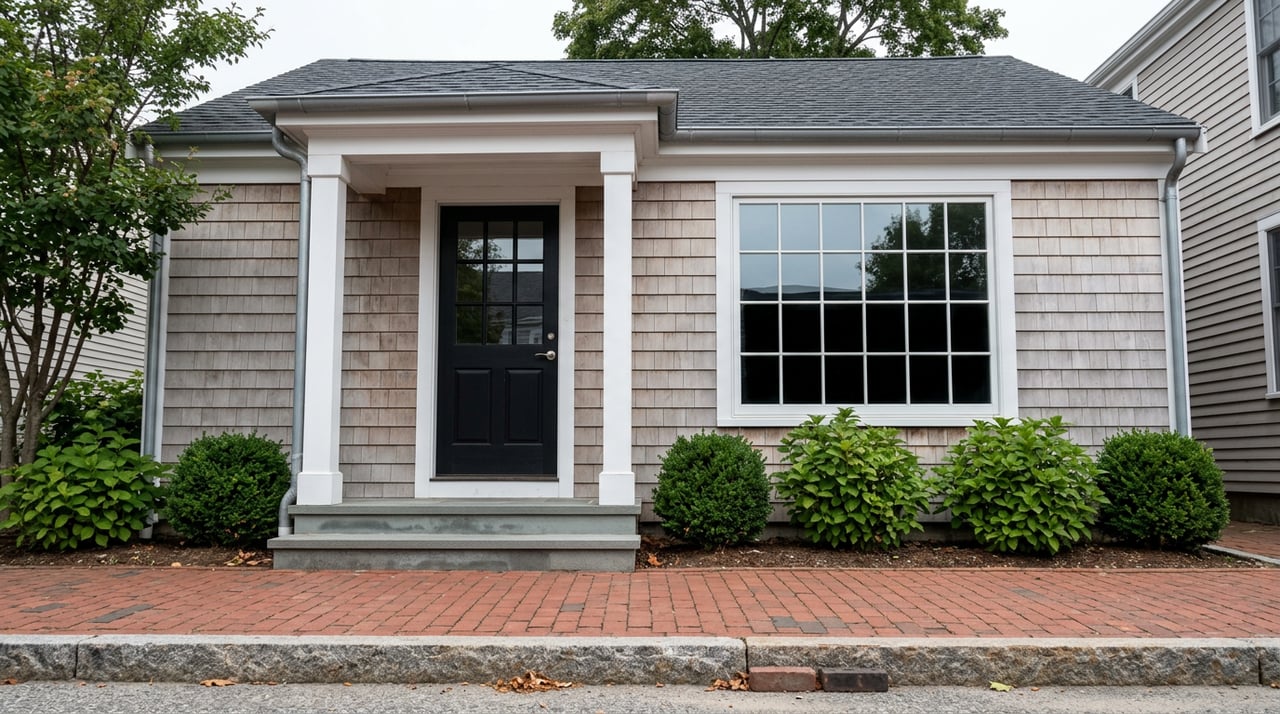
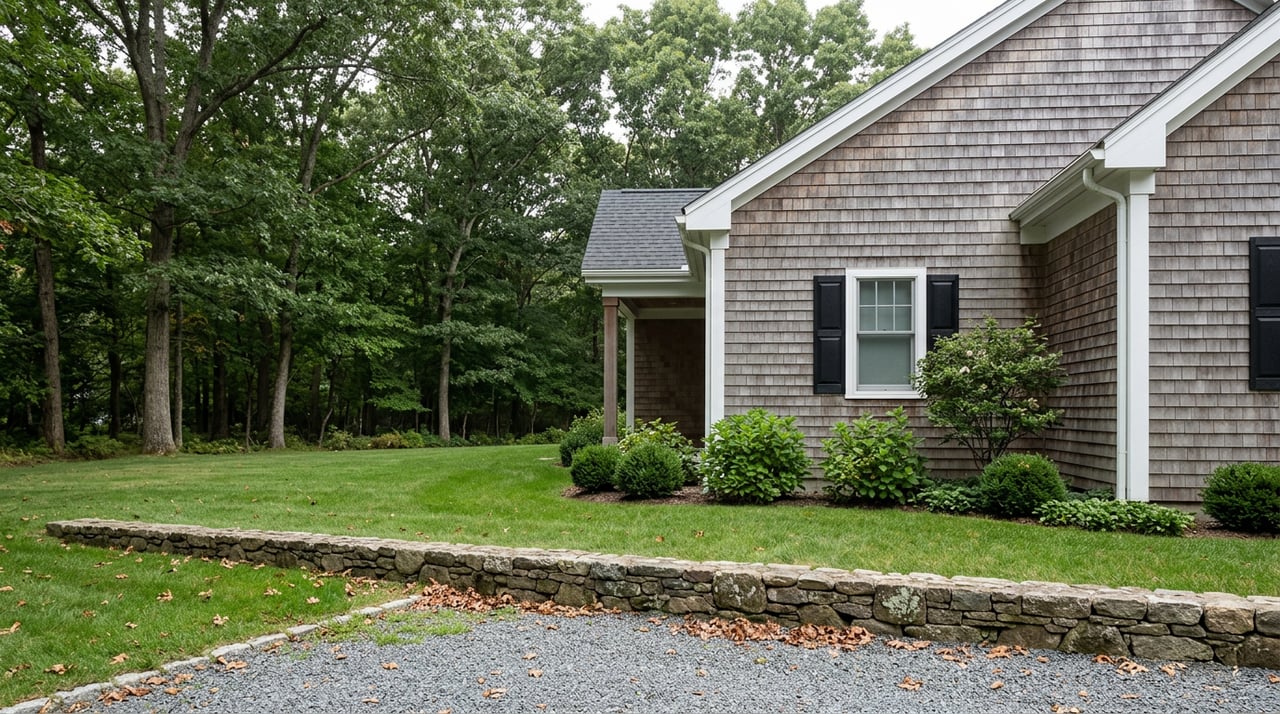
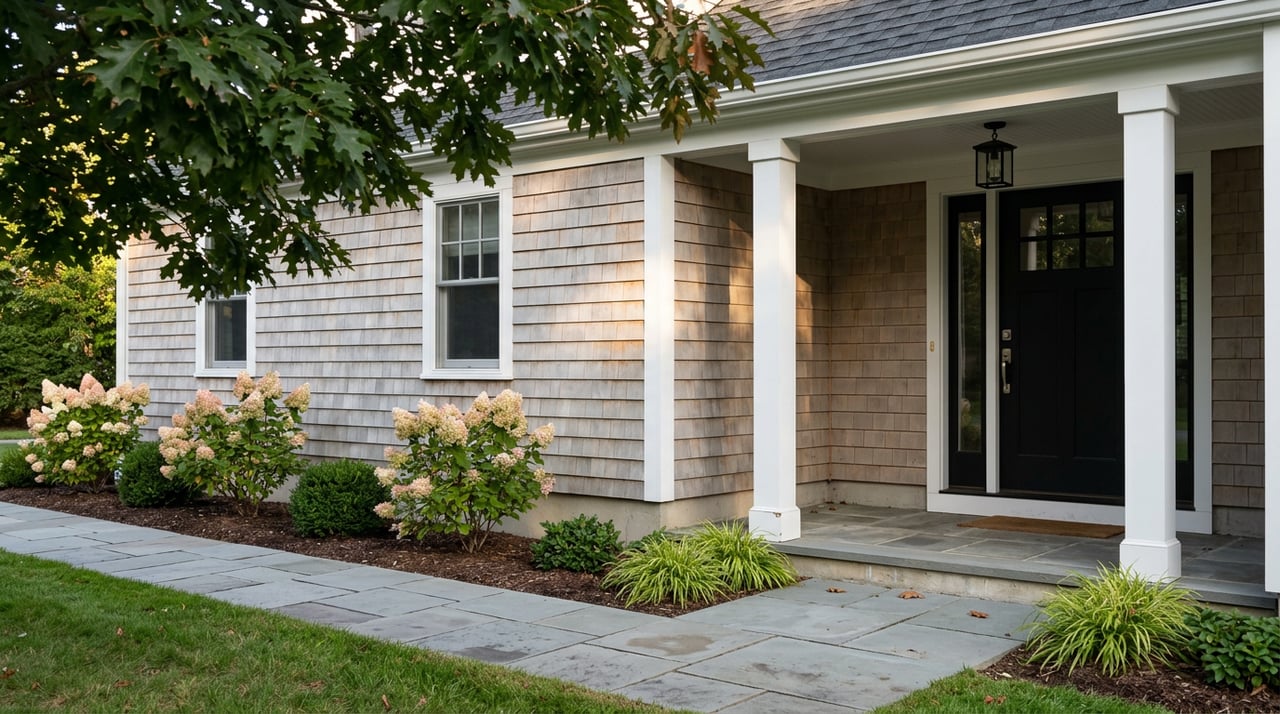
The exterior deserves just as much attention as the inside. Buyers have usually formed their first impression before they even step through the front door. Fresh mulch, trimmed shrubs, a clean walkway, pressure washing, and a welcoming front entry can go a long way toward creating excitement before a showing even begins.
One question I'm asked all the time is whether it's worth renovating before selling.
The answer depends on the home.
Some improvements absolutely add value, while others don't provide the return sellers expect. Before spending thousands of dollars on a kitchen or bathroom renovation, it's worth having a conversation about whether those improvements make sense in today's Fairfield market. In many cases, a home doesn't need a complete makeover. It simply needs to be presented in its best possible light.
I've found that the homes generating the strongest offers aren't always the newest or most updated. They're the homes that feel clean, well maintained, and move-in ready.
Preparing your home isn't about perfection. It's about creating a great first impression and giving buyers confidence that they're making the right decision.
Once your home is ready, the next step is making sure it reaches the right buyers.
Years ago, marketing meant putting a sign in the yard, entering the home into the MLS, and hosting an open house. Today, the process looks very different.
Most buyers begin their home search online, and many have already decided whether they're interested before they ever schedule a showing. That's why your home's online presentation has become one of the most important parts of the selling process.
Professional photography is no longer optional. High-quality images showcase your home's best features and encourage buyers to take the next step. On the other hand, dark or poorly composed photos can cause buyers to scroll right past a home that might otherwise have been perfect for them.
Depending on the property, professional video, drone photography, and detailed floor plans can also make a significant difference. Video helps buyers experience the flow of a home, while drone photography highlights larger lots, pools, water views, or proximity to the beach and surrounding neighborhoods. Floor plans are especially valuable for relocation buyers who may be narrowing their choices before making a trip to Fairfield.
Just as important as the visuals is the story we tell.
Every home has something that makes it special. Maybe it's the ability to walk to downtown Fairfield, the train station, or the beach. Maybe it's a backyard designed for entertaining, a first-floor primary suite, or a quiet cul-de-sac where kids ride their bikes after school. Those are the details buyers remember, and they're the details I focus on when writing a listing description.
Marketing also extends well beyond the MLS.
Once a listing goes live, I make sure it's exposed across the platforms where today's buyers are searching. That includes real estate websites, social media, email marketing, and my network of local agents. Because many of my clients relocate from New York and other parts of the Northeast, I also focus on reaching buyers outside Connecticut who may be planning their move months in advance.
One thing I've learned over the years is that the first week on the market is your biggest opportunity.
Buyers who have been waiting for a home like yours receive notifications as soon as it becomes available. If your home is professionally presented, priced strategically, and marketed effectively from day one, you're far more likely to create excitement and generate strong interest.
That's why I spend so much time preparing before a listing goes live. I want every photo, every showing, and every piece of marketing to work together to showcase your home at its very best.
At the end of the day, great marketing isn't just about attracting more buyers. It's about attracting the right buyers. When preparation, pricing, and marketing all come together, that's when sellers put themselves in the strongest position to maximize both price and terms.
When most homeowners think about selling, they naturally focus on the sale price. But the sale price is only part of the equation. What really matters is how much you'll walk away with after all of your closing costs have been paid.
One of the first things I do with my sellers is prepare a net proceeds estimate. We review your home's estimated value, your remaining mortgage balance, and the expected closing costs so you have a realistic picture of what you'll receive at closing. I find this helps sellers make informed decisions early and eliminates surprises once they're under contract.
One of the largest closing costs for Connecticut sellers is the conveyance tax, which is paid by the seller at closing. Connecticut charges a state conveyance tax, and Fairfield also charges a municipal conveyance tax.
Here's how the current rates break down:
For example, if your home sells for $1.1 million, your conveyance taxes would be approximately:
Your real estate attorney prepares the necessary paperwork and ensures the taxes are paid when the deed is recorded, but it's important to factor this expense into your overall numbers before listing your home.
Another significant cost is your real estate commission. Commissions are fully negotiable and are discussed before your home is listed. Since the industry changes that took effect in 2024, compensation for the listing brokerage and buyer's brokerage is negotiated separately. Every transaction is different, so it's important to understand not only the commission structure but also the level of service, marketing, negotiation, and guidance you're receiving throughout the process.
Because Connecticut is an attorney closing state, you'll also hire a real estate attorney to represent you through the transaction. Your attorney prepares the legal documents, coordinates with the buyer's attorney and lender, and helps ensure everything is completed smoothly through closing.
There are several other expenses that sellers should plan for as well. If you still have a mortgage, the remaining balance will be paid off at closing. Property taxes are prorated based on your closing date, and depending on the results of the home inspection, you may choose to complete repairs or offer the buyer a credit. You'll also want to account for moving expenses and any money you invest in preparing your home before it goes on the market.
Once all of those costs have been paid, you're left with your net proceeds. That's the number that truly matters because it's the amount you'll have available for your next home, retirement, or whatever comes next.
Many of my sellers are buying another home, so understanding their net proceeds early becomes an important part of the planning process. Knowing how much equity you'll have available helps determine your budget, down payment, and timing for your next purchase. Even if you're not buying again right away, it's helpful to understand your financial picture before making any major decisions.
Every seller's situation is different, but taking the time to calculate your net proceeds before listing allows you to move forward with confidence.
This is another question I hear all the time, and the answer may surprise you.
While spring is traditionally the busiest season for real estate, it's not the only time to successfully sell a home in Fairfield.
Buyer activity often starts picking up shortly after the holidays. By late January and February, many buyers are actively searching, hoping to find a home before the busy spring market. Activity typically continues through late spring and into early summer, when you'll often see the largest number of buyers and the greatest selection of homes.
Because there are more buyers shopping during the spring, it's also when you'll typically see the most competition from other sellers. That's one reason preparation is so important. Buyers may be touring several homes in a single day, and you want yours to stand out.
That said, low inventory has changed the traditional seasonal patterns.
I've seen beautifully prepared homes sell quickly in every season. A home that comes on the market in January or November may actually have fewer competing listings than it would in April or May. Serious buyers don't stop looking simply because it's winter. In fact, buyers who are searching during the off season are often highly motivated because they need to move for a job, a growing family, or another life change.
Rather than trying to time the market perfectly, I encourage sellers to focus on something they can control: preparation.
If your home is ready, priced correctly, and marketed well, it can perform successfully at almost any time of year. On the other hand, waiting several months simply because you think another season will be better doesn't always produce a better outcome.
The best time to sell is when you're personally ready and your home is ready.
Every seller's timeline is different. Some homeowners need to coordinate the purchase of another home, while others are relocating, downsizing, or waiting for children to finish the school year. That's why creating a plan early is so valuable. Even if you're thinking about selling six months or a year from now, having a conversation ahead of time gives you the opportunity to prepare your home gradually instead of rushing through everything just before listing.
In my experience, the sellers who have the smoothest transactions are the ones who start planning early. They understand their home's value, know what they'll likely walk away with, and have had time to prepare their home thoughtfully before it ever hits the market.
After helping homeowners sell throughout Fairfield for many years, I've found that the same mistakes tend to come up again and again. The good news is that they're all avoidable with the right plan.
The biggest mistake is overpricing the home.
I understand the temptation. Every seller wants to maximize their return, and many assume it's better to start high because they can always reduce the price later. Unfortunately, buyers don't usually see it that way.
The first week your home is on the market is when it receives the most attention. Buyers who have been waiting for a home like yours are notified as soon as it becomes available. If they believe it's overpriced, many won't even schedule a showing. Once a home sits on the market for several weeks, buyers naturally begin asking why. Price reductions can certainly help, but it's difficult to recreate the excitement that comes with a new listing.
Another mistake is underestimating the importance of preparation.
Sometimes sellers assume that because Fairfield continues to have low inventory, buyers will overlook clutter, deferred maintenance, or outdated finishes. In reality, today's buyers have high expectations. They've likely toured multiple homes before yours and can quickly tell which homes have been thoughtfully prepared.
I always remind my clients that buyers aren't just comparing your home to recent sales. They're comparing it to every home they've visited that weekend.
I also see sellers spend money on improvements that don't necessarily increase value.
Every home is different, but more expensive doesn't always mean more profitable. Before investing in a major renovation, it's worth talking through whether that money will actually produce a return. In many cases, smaller updates, fresh paint, landscaping, lighting, and thoughtful staging have a greater impact than a large remodeling project completed just before listing.
Another common mistake is waiting too long to start planning.
Even if you're thinking about selling next year, starting the conversation now gives you time to prepare your home, complete repairs, and understand what you'll likely walk away with financially. Planning ahead almost always leads to a smoother selling experience.
Finally, I encourage sellers not to choose an agent based solely on commission.
Selling a home involves much more than putting it in the MLS. Pricing strategy, preparation, negotiation, marketing, communication, and local market knowledge all play an important role in the outcome. The goal isn't simply to save money on commission. It's to maximize your net proceeds and make the entire process as smooth as possible.
Real estate is incredibly local, and nowhere is that more apparent than in Fairfield.
While the town may have one average sale price, buyers don't shop by averages. They're choosing neighborhoods, school districts, commute times, and lifestyles.
A buyer searching in Greenfield Hill may have completely different priorities than someone looking near Fairfield Beach, the University Area, Southport, or Stratfield. Some buyers want to walk to the train and downtown. Others are looking for larger properties with more privacy. Those differences influence pricing, marketing, and ultimately the strategy for selling your home.
That's why I believe every listing deserves its own marketing plan.
The way I market a waterfront home isn't the same as the way I market a condominium or a neighborhood colonial. Every property has a different story to tell, and every buyer is looking for something a little different.
Local experience also means understanding what's happening right now, not just what happened six months ago.
I spend every week touring homes, studying new listings, analyzing recent sales, and talking with buyers. That allows me to see changes in the market before they show up in the statistics. I know which features buyers are responding to, where competition is increasing, and how pricing is changing from one neighborhood to another.
Those insights help my sellers make informed decisions throughout the process.
Selling your home is one of the biggest financial decisions you'll make, and having a plan before you list can make a meaningful difference in both your experience and your results.
While Fairfield continues to be a strong market, successful sales don't happen by accident. The homes that perform the best are typically the ones that have been thoughtfully prepared, strategically priced, and professionally marketed from the very beginning.
Whether you're selling a condominium, your first home, or a luxury property, every home deserves a plan that's tailored to its location, condition, and buyer audience.
If you're thinking about selling, even if it's six months or a year from now, I'd encourage you to start the conversation early. Understanding your home's current value, what buyers are looking for, and what you can realistically expect to walk away with gives you the time to prepare without feeling rushed.
Every move is different, and every seller's goals are different. Whether you're relocating, downsizing, moving across town, or simply exploring your options, I'm always happy to share what I'm seeing in today's Fairfield market and help you build a strategy that works for you. If you are thinking about selling, a tailored pricing strategy can make a meaningful difference in both timing and outcome. For a complimentary market consultation, reach out. 203-650-6870






Coastal vibes vs. urban convenience - comparing lifestyle, neighborhoods, commute, and costs.
With a deep understanding of the luxury market and a commitment to staying ahead of the curve when it comes to technology and communication, I am able to provide a truly unparalleled level of service to my clients.