Buying a home in New Canaan comes with a key difference if you are used to New York City closings: you will work with a real estate attorney. In Connecticut, attorneys guide you through the contract, title, and closing. If you are relocating or buying your first home here, that can feel like a lot to manage. This guide breaks down what your attorney does, the typical New Canaan timeline, local items that can impact your closing, and how to choose the right professional for a smooth purchase. Let’s dive in.
Why Connecticut buyers hire attorneys
Connecticut is an attorney-centric state. Your attorney protects your legal interests from the offer through closing. While your agent negotiates price and terms, the attorney reviews the contract, clears title, prepares closing documents, and records your deed.
Your advocate from offer to keys
- Review and refine the Purchase and Sale agreement so it has clear contingencies, accurate deadlines, and fair cost allocations.
- Negotiate addenda for inspection, financing, attorney review, and title, and advise you on seller disclosures and any unusual clauses.
- Explain your options if issues arise, such as requesting repairs, credits, price changes, or canceling within contingency windows.
Title, survey, and association documents
- Order or review the title search and commitment to flag liens, mortgages to be paid off, easements, judgments, or deed restrictions.
- Advise when a survey or boundary review is smart, especially if the property has older improvements, shared driveways, or possible encroachments.
- For condos or HOAs, review bylaws, financials, meeting minutes, and estoppel letters to confirm account status and any pending assessments.
Lender coordination and disclosures
- Coordinate with your lender and the other side’s counsel on the deed, mortgage, note, payoffs, and settlement figures.
- Confirm that your lender’s Closing Disclosure matches the agreed terms and closing costs. By federal rule, you receive it at least 3 business days before closing.
Closing and after closing
- Attend or represent you at closing, explain each document, and manage funds and signatures.
- Disburse funds to pay off seller mortgages, taxes, commissions, and municipal items.
- Record your deed and mortgage with the New Canaan Town Clerk, then follow up to deliver recorded documents and resolve any post-closing items.
New Canaan closing timeline
Every transaction is unique, but most Fairfield County purchases follow a predictable rhythm. Here is what you can expect.
Typical milestones
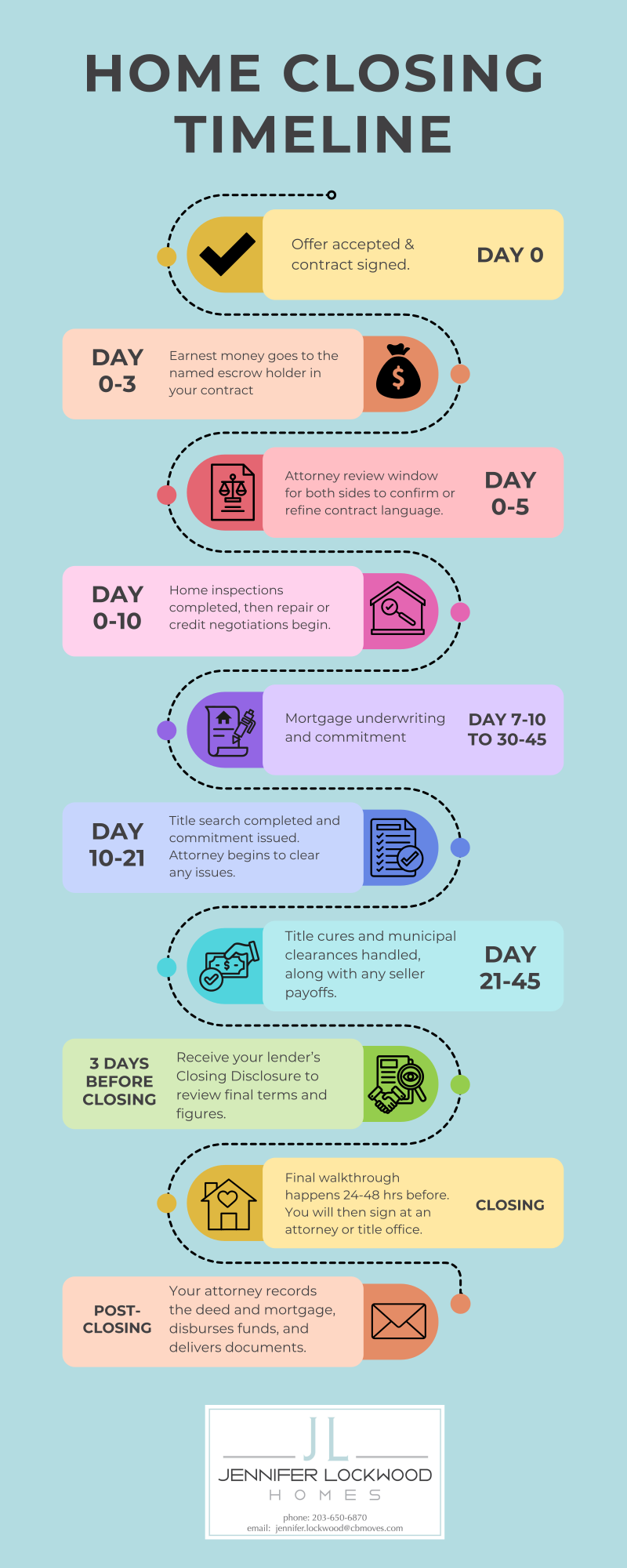
- Day 0: Offer accepted and contract signed, often with an earnest money deposit.
- Day 0–3 business days: Earnest money goes to the named escrow holder in your contract.
- Day 0–5 business days: Attorney review window for both sides to confirm or refine contract language.
- Day 0–7 to 10 days: Home inspections completed, then repair or credit negotiations begin.
- Day 7–10 to 30–45 days: Mortgage underwriting and commitment. Speed depends on your lender and how fast you submit documents.
- Day 10–21: Title search completed and commitment issued, then your attorney starts clearing any issues.
- Day 21–45: Title cures and municipal clearances handled, along with any seller payoffs.
- 3 business days before closing: You receive your lender’s Closing Disclosure to review final terms and figures.
- Closing, usually 30–60 days after contract: Final walk-through happens 24–48 hours before, then you sign at an attorney or title office.
- Post-closing: Your attorney records the deed and mortgage, disburses funds, and delivers recorded documents.
Who talks to whom
- The core chain is you, your agent, your attorney, the seller’s attorney, and the seller’s agent.
- Your lender coordinates with you and may also work with your attorney for closing documents and payoffs.
- Your attorney coordinates with the title company for the title commitment and insurance.
- For funds, wire transfers are common. Always verify wiring instructions by phone using a known number. This helps you avoid wire fraud.
Local items that can affect your closing
Town records and recording
Title issues in older suburban areas
- Older properties can reveal old mortgages that were never released, mechanics’ liens, tax liens, or deed restrictions.
- Easements for driveways or utilities, or minor survey differences, are not unusual and need legal review.
Utilities, septic, wells, and environment
- Many New Canaan homes use municipal water and sewer, though some properties use private wells and septic systems. Inspections and documentation for septic may be required at sale.
- If you consider properties elsewhere in Fairfield County near the coast, ask about flood zones and related permits. Your attorney can coordinate with your agent to confirm what applies.
Condos and HOAs
- Expect association document reviews, estoppel letters to confirm the seller’s balance, and possible transfer fees.
- Your attorney will flag budget health, reserves, and any special assessments.
How to choose a Connecticut real estate attorney
The right attorney keeps your deal on track and reduces stress. Interview at least two or three, and ask clear, practical questions.
- How many residential closings do you handle in Fairfield County or New Canaan each year?
- Do you represent buyers, sellers, or both, and how do you handle conflicts?
- What is your fee structure for a routine closing, and what services are included?
- Who will update me and attend closing, you or an associate?
- How do you approach title issues and title insurance?
- Do you offer remote signing or notarization, and can you accommodate an out-of-state schedule?
- What is the typical timeline you see, and how will you communicate next steps?
Fees and closing costs
- Many attorneys charge a flat fee for a straightforward purchase and hourly rates for complex negotiations or title cures. Ask for a written estimate and a clear scope of services.
- Other costs to discuss with your attorney include title insurance, municipal searches, recording, lender fees, prorations for taxes and association dues, and any agreed credits.
Checklist to keep your purchase on track
- Hire your attorney as soon as your offer is accepted.
- Submit your loan application and documents immediately.
- Schedule inspections early in your window and review results quickly with your attorney and agent.
- Share your ID and preferred funds delivery method with your attorney early.
- Review the title commitment and seller disclosures as soon as they arrive.
- Confirm closing details at least a week before the big day, including location, who must attend, required identification, and whether funds must be wired or brought by cashier’s check.
- If you are out of state, arrange notarization or remote options with your attorney and lender.
Guidance for NYC relocators
Relocating buyers often need a streamlined, remote-friendly process. That is normal in Fairfield County.
- Build in time for notarization and document shipping if you cannot attend in person.
- Ask early about a mail-away closing package, a limited power of attorney for closing, or remote online notarization when your lender and attorney allow it.
- Plan inspections and attorney calls around commuting schedules. Evening or weekend appointments may be possible if you request them early.
Final thoughts and next steps
Buying in New Canaan is exciting, and your attorney is your legal guide to get you from accepted offer to recorded deed with confidence. When you pair the right counsel with a knowledgeable local agent and a responsive lender, your closing can move smoothly, even on a tight timeline or from out of state. If you are planning a move, connect with a trusted local advisor who can coordinate with your attorney, keep you informed, and help you make clear decisions at every step.
If you are exploring New Canaan or broader Fairfield County, request a complimentary market consultation with Jennifer Lockwood. You will get local insight, a clear plan, and a smooth path to closing.
FAQs
Do I need an attorney to buy a home in Connecticut?
- Yes, Connecticut closings are attorney-centric, and buyers typically retain an attorney to review the contract, clear title, coordinate closing documents, and record the deed.
What does a buyer’s attorney do after inspections?
- Your attorney works with your agent to negotiate repairs, credits, price adjustments, or cancellation if allowed by your inspection contingency and deadlines.
How long does a New Canaan closing usually take?
- Most purchases close in about 30 to 60 days from contract, depending on lender speed, title clearance, and any negotiated repairs or credits.
Can I close remotely if I am relocating from NYC?
- Often yes, through mail-away documents, a limited power of attorney, or remote online notarization when your lender and attorney allow it. Confirm options early.
Who holds the earnest money in Connecticut?
- Your contract names the escrow holder, which is often the brokerage, the seller’s attorney, or a title company, with release conditions spelled out in writing.
When do I officially own the home?
- Ownership transfers at closing when the deed is signed and delivered. Your attorney then records the deed with the Town Clerk to finalize the public record.