Jumbo Loans In Weston: What To Expect
January 1, 2026
January 1, 2026
Thinking about a home in Weston’s 06883 and wondering if you’ll need a jumbo loan? You’re not alone. With larger homes on acreage and premium features, many Weston purchases sit above standard financing limits. In this guide, you’ll learn how jumbos work, what lenders expect, how rates behave, and simple steps to make your application stronger. Let’s dive in.
A jumbo mortgage is any loan amount that exceeds the conforming loan limit set by the Federal Housing Finance Agency for your county. In Fairfield County, that limit changes each year, and some areas receive high‑cost adjustments. If the amount you plan to finance after your down payment is above the county limit, it is considered a jumbo.
Here is the simplest way to check:
Local examples where jumbos are common include move‑up buyers financing a significant portion of a larger property, refinancing a high‑balance mortgage to fund renovations, or combining purchase and renovation budgets on older homes.
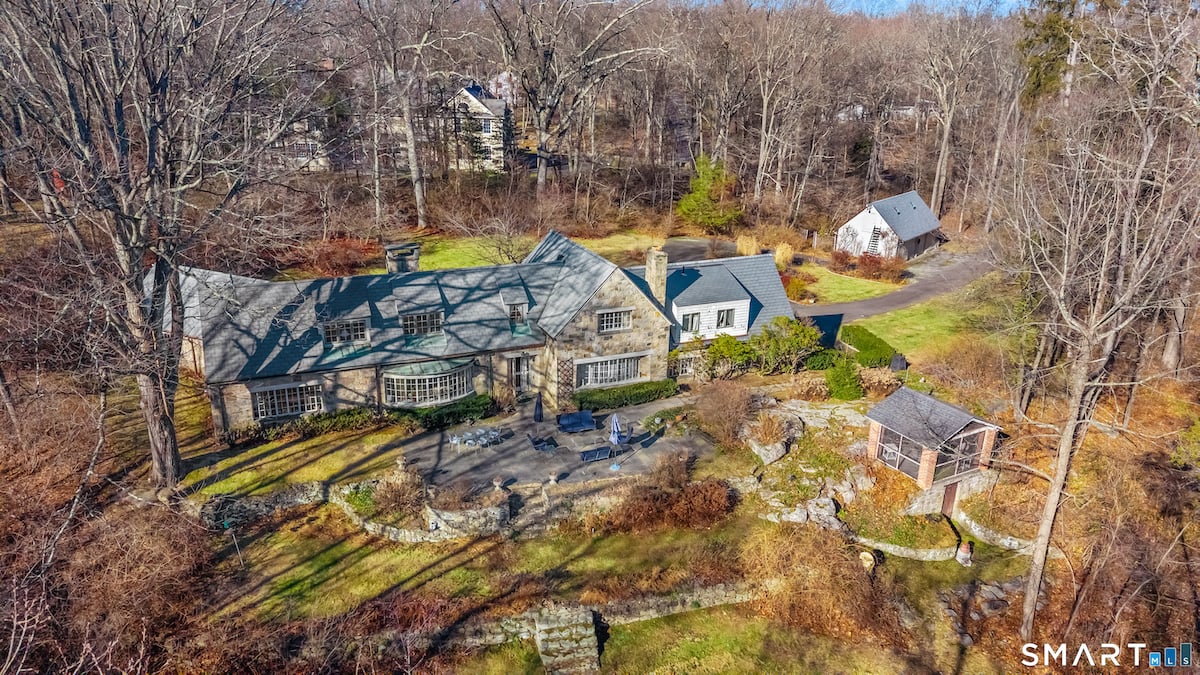
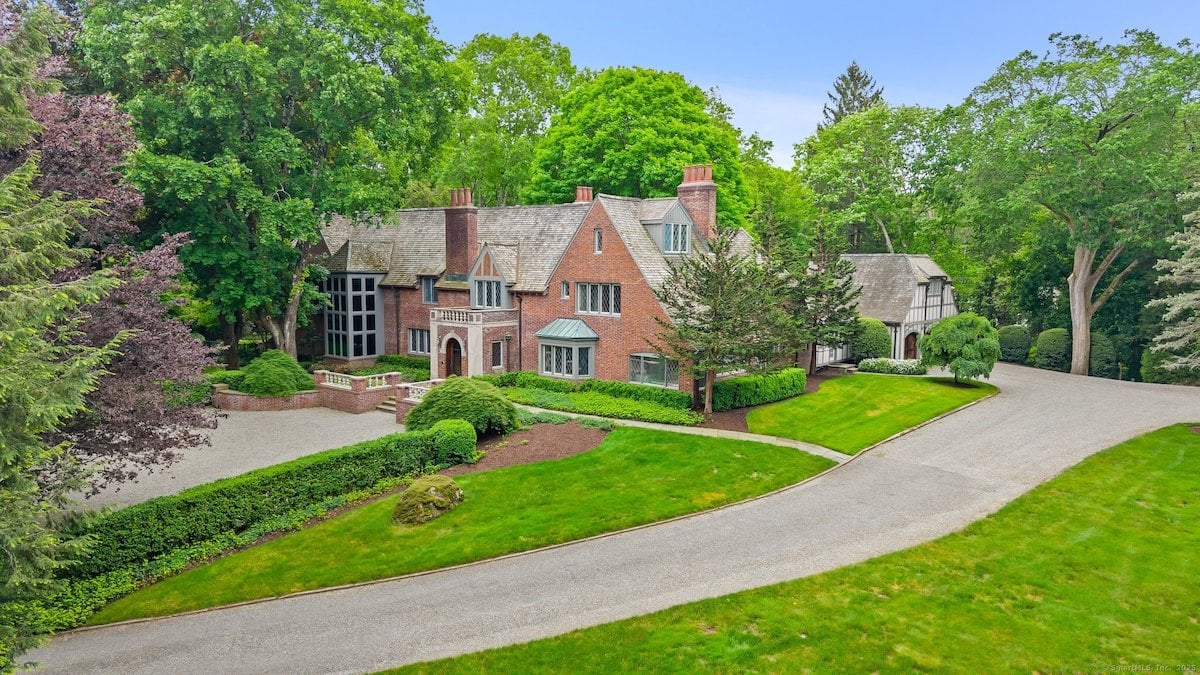
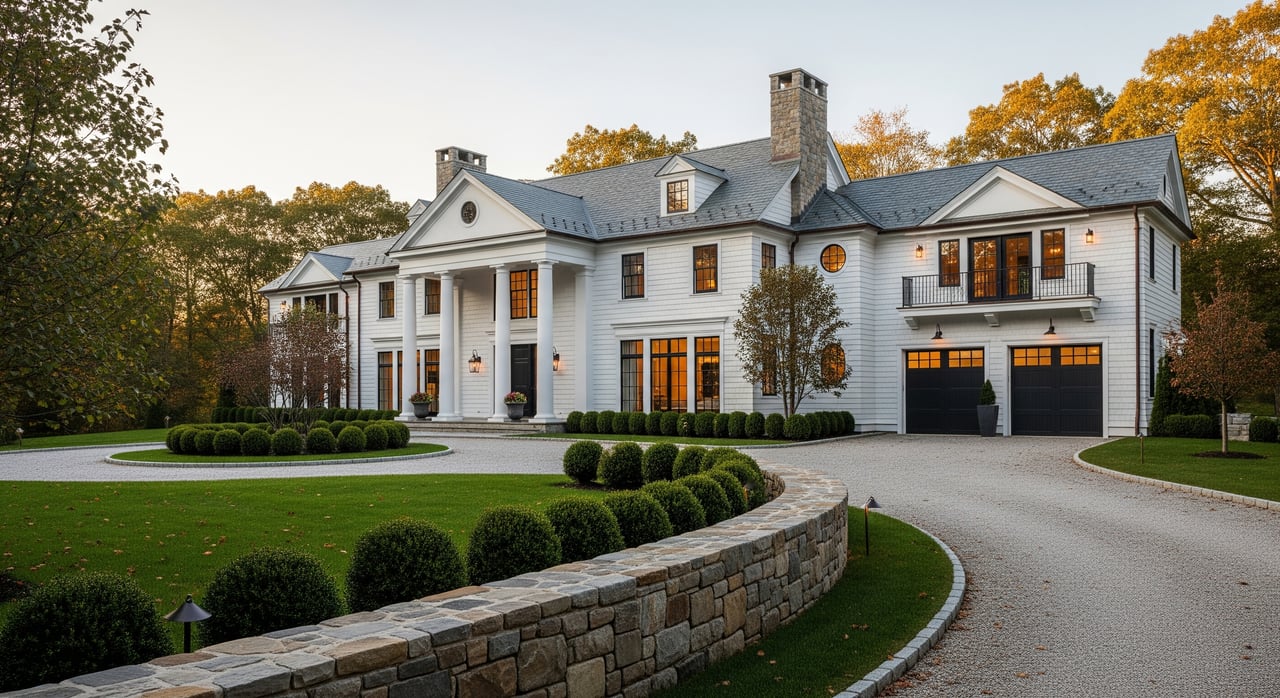
Weston is an affluent, low‑density town with many single‑family homes on larger parcels. Buyers here often prioritize space, privacy, and upgraded features. It is common to see homes with extensive renovations, multi‑car garages, custom finishes, and amenities that drive higher price points.
Commuters to New York City and second‑home buyers are also active in the area. Property taxes, insurance, and any applicable association rules can impact affordability and underwriting. That combination often pushes financed amounts above conforming limits, which is why jumbo financing is a regular part of the Weston conversation.
Jumbos are not sold to Fannie Mae or Freddie Mac, so lenders use their own, often stricter, standards. A stronger profile typically leads to better pricing and smoother approvals.
Many lenders look for mid‑700s or higher for best pricing, although some will consider applicants in the high‑600s with strong compensating factors. Late payments, collections, or major credit events are harder to overcome with jumbo underwriting.
Jumbo programs often prefer lower debt‑to‑income ratios than many conforming programs. A DTI below about 43 to 45 percent is a common benchmark for prime jumbo approvals. A lower DTI can also improve rate options.
Many lenders favor at least 20 percent down to reach an 80 percent loan‑to‑value or lower. Higher LTV options do exist, but they can come with higher rates or stricter conditions such as increased reserves.
Expect higher reserve requirements than with many conforming loans. It is common to see requests for 6 to 12 months of principal, interest, taxes, and insurance in reserves, especially with higher LTVs or self‑employed borrowers. Reserves can include liquid accounts and, subject to rules, certain retirement accounts.
Large or irregular income sources will require a consistent history or detailed documentation to count toward qualifying.
Lenders verify large deposits and the source of down payment funds. Monetary gifts are often allowed but require a gift letter and can affect reserve calculations. Retirement funds may count toward reserves based on program rules.
High‑value homes can be more complex to appraise because comparable sales are limited. Lenders may require a full interior and exterior appraisal by an experienced appraiser. Unique or custom properties, extensive acreage, or mixed‑use elements can trigger deeper reviews. For condos, project rules are stricter and may involve additional documentation.
Occupancy type, cash‑out amounts, and mortgage seasoning can change the maximum allowed LTV and reserve needs. Jumbo underwriting is also lender‑specific, so standards and flexibility can differ from one institution to another.
Unlike conforming loans, which are largely sold to government‑sponsored entities, jumbo loans are usually held in lenders’ portfolios or sold to private investors. As a result, jumbo rates reflect investor appetite, the lender’s cost of funds, and borrower risk.
Rates tend to move with broader fixed‑income markets, including U.S. Treasury yields and swap rates. Sometimes jumbo rates track closely with conforming rates. Other times they widen, especially when market liquidity changes or investor demand shifts. Strong profiles with high credit, lower LTV, and solid reserves tend to secure the best pricing.
Jumbo pricing can be more volatile. Many Weston buyers lock rates after contracts are firm. Shorter lock periods can cost less but increase the risk of relocking if timelines slip. Complex transactions or unique properties may benefit from longer locks or float‑down options depending on the lender.
Portfolio lenders and larger banks may price very competitively for borrowers who keep deposits or investments with them. Adjustable‑rate mortgages can offer lower initial rates, while fixed‑rate jumbos provide long‑term certainty. The best fit depends on your time horizon, risk tolerance, and financial plan.
Use this streamlined list to prepare before you tour in Weston.
Many Weston homes are one‑of‑a‑kind. Custom architecture, expanded living areas, and acreage can all complicate valuation. To avoid surprises, make sure the appraiser has clear access and complete information about improvements and permits. If you are buying a condo in or near 06883, request association documents and insurance details early so the lender can review them.
If you expect to finance above the conforming limit in 06883, plan for stricter underwriting, higher reserve expectations, and more documentation. The payoff is access to properties that fit your lifestyle and long‑term goals. With the right preparation, you can navigate jumbo financing with confidence and close on the home you want.
If you are weighing options in Weston or across Fairfield County, let’s talk about your plan and timeline. For local guidance and a clear path from pre‑approval to keys, connect with Jennifer Lockwood.
Buying a Home
Are Home Prices Finally Coming Down in Fairfield County? Here's What the September Numbers Tell Us.



With a deep understanding of the luxury market and a commitment to staying ahead of the curve when it comes to technology and communication, I am able to provide a truly unparalleled level of service to my clients.