Weston CT vs Westport and Fairfield Real Estate
May 28, 2026
May 28, 2026
If you are trying to choose between Weston and nearby Fairfield County towns, the numbers only tell part of the story. You may see similar sold prices between Weston and Fairfield, or much higher asking prices in Westport, and still wonder what daily life and home options really look like. This guide breaks down how Weston compares with Westport and Fairfield so you can better match your budget, space needs, and lifestyle priorities. Let’s dive in.
Weston stands out as a high-price, low-supply market. In Realtor.com’s April 2026 snapshot, Weston shows a median listing price of $1.462 million, a median sold price of $985,900, 36 days on market, 32 homes for sale, and 8 rentals.
That snapshot matters because it shows a town with limited inventory and very little rental supply. Weston QuickFacts also report a 96.9% owner-occupied rate and a median value of owner-occupied housing units of $996,700, which reinforces its mainly owner-occupied, single-family character.
If your first question is price, Westport is the clear outlier. Realtor.com reports a median listing price of $2.897 million and a median sold price of $2.15 million in Westport, making it notably more expensive than Weston by both asking and recent sold metrics.
Weston sits well below Westport on sold price, even though it remains a premium market in its own right. For many buyers, that makes Weston a useful middle ground when they want a higher-end Fairfield County location without Westport’s townwide price level.
Westport’s pricing reflects a different mix of features. Official town information highlights access to Long Island Sound, two Metro-North stations, major road connections, and a stronger downtown and business-center presence.
In simple terms, Westport commands a premium for convenience and amenities. Weston tends to appeal more to buyers who place greater value on land, privacy, and a quieter residential setting.
Weston and Fairfield are much closer in recent sold-price levels than many buyers expect. Fairfield’s April 2026 Realtor.com snapshot shows a median listing price of $1.212 million and a median sold price of $989,375, compared with Weston’s median sold price of $985,900.
That is one of the most interesting comparisons in this local market. Weston’s asking prices run higher than Fairfield’s overall, but recent sold-price levels are very close, even though the housing environments are quite different.
Fairfield offers a much broader inventory base. Realtor.com shows 166 homes for sale, 129 rentals, and 28 days on market, which means more choices and a faster-moving market than Weston’s current snapshot.
Fairfield also has a wider spread in neighborhood-level price points. Realtor.com reports neighborhood medians ranging from about $377,000 in West Side–West End to $2.499 million in Greenfield Hill and $2.1495 million in Fairfield Beach, showing how varied the town can be.
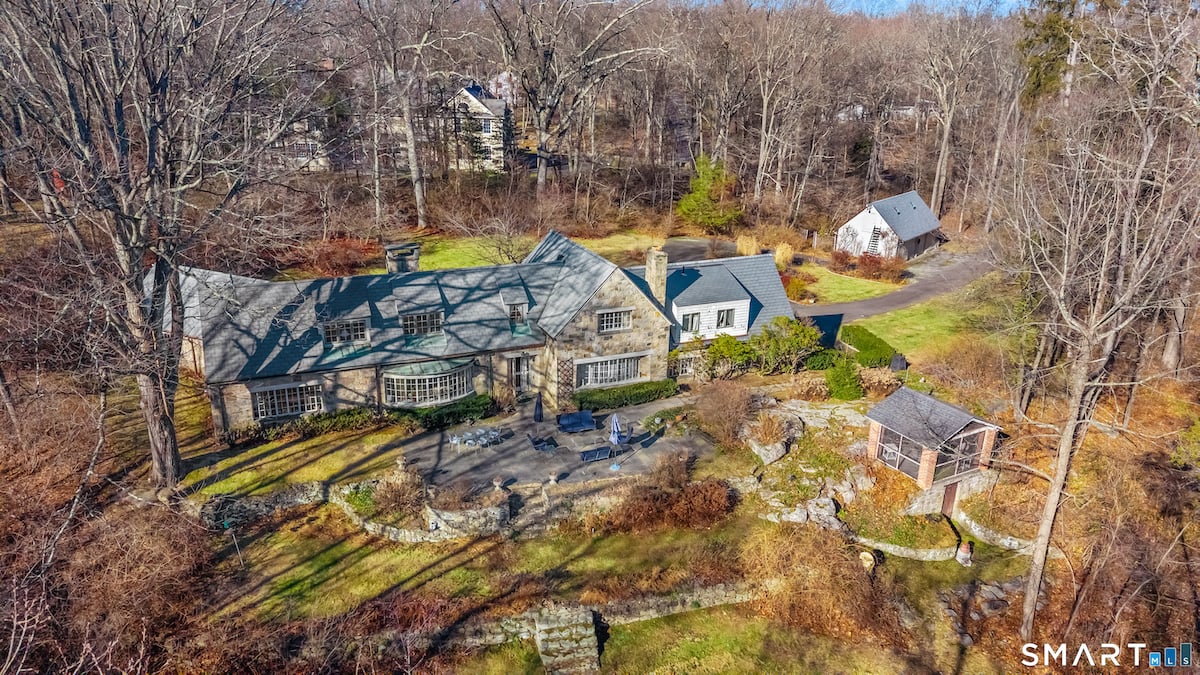
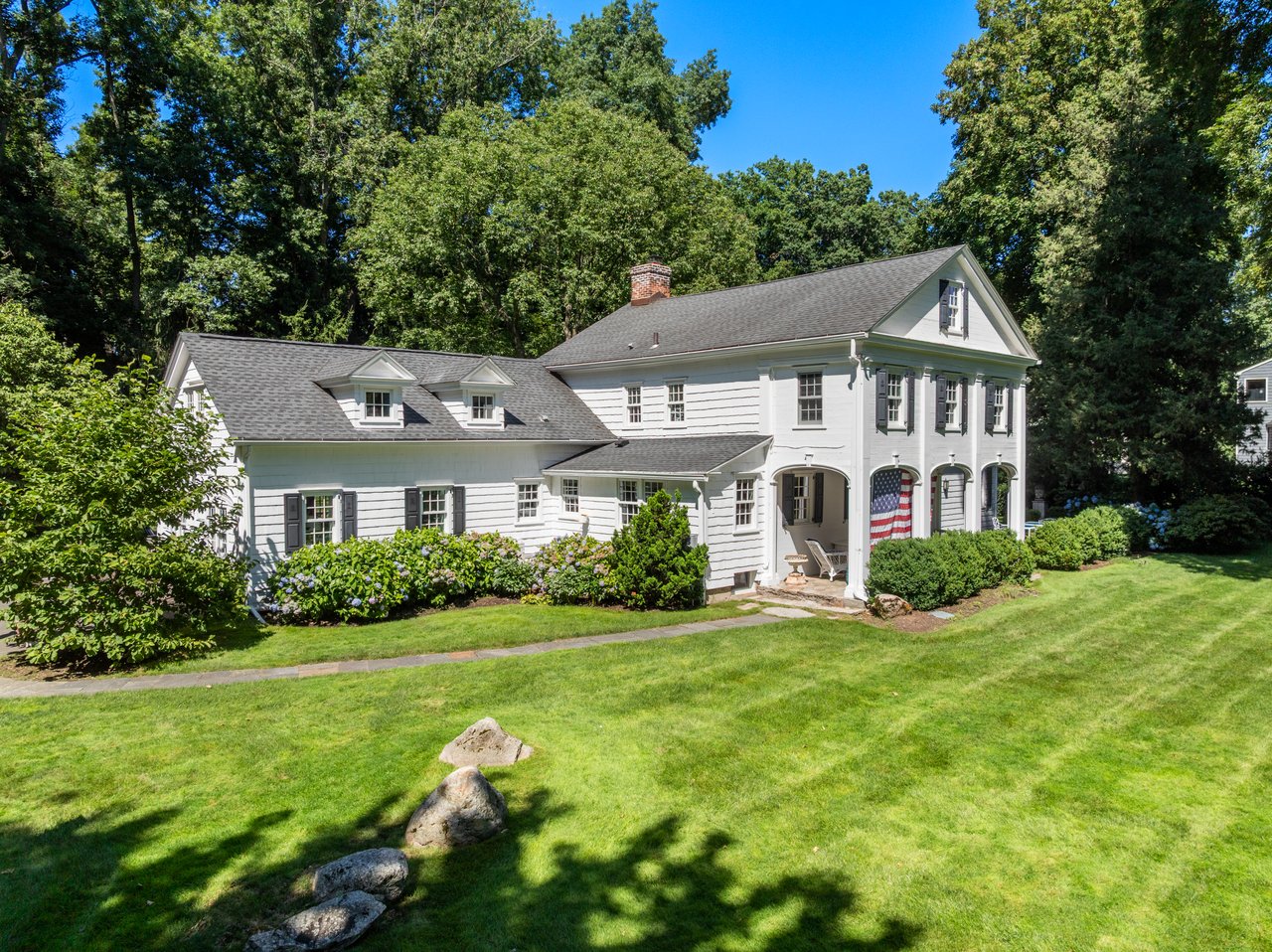
One of Weston’s clearest differences is density. The town’s plan states that Weston covers 13,284 acres, or 20.7 square miles, with about 58% of its land dedicated to residential use, and zoning requires single-family detached residences at a density of no more than one house per two acres.
That creates a very different feel from more built-out nearby towns. If you are looking for larger lots, more separation between homes, and a more secluded setting, Weston is the strongest match of the three.
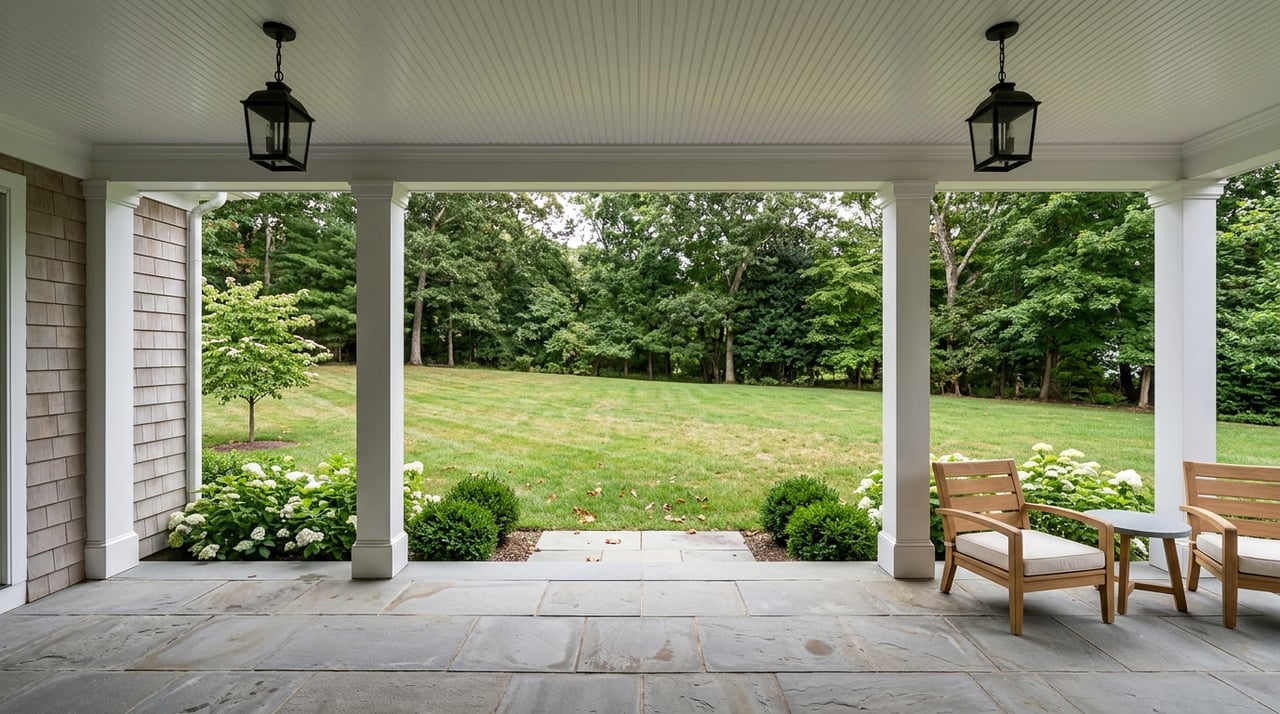
Weston’s town plan also emphasizes its natural setting. The town reports 2,866 acres reserved for watershed and conservation purposes, with a landscape defined by large, mature trees and open space.
That land-use pattern shapes the day-to-day experience of living there. Weston feels more acreage-driven and residential, with less of the dense village or mixed-use environment you may find elsewhere in Fairfield County.
Westport offers a very different package. The town describes itself as supporting a live-work-play lifestyle with small-town character, and it has access to I-95, U.S. 1, the Merritt Parkway, two Metro-North stations, Amtrak, and a local commuter shuttle.
For buyers comparing Weston CT real estate to nearby towns, this is one of the biggest dividing lines. Westport combines commuter convenience with a more developed civic and commercial core, which helps explain both its popularity and its premium pricing.
Westport has two business centers: downtown Main Street and Saugatuck Center. The town also points to a strong downtown environment with public parking, the Westport Library, and an active downtown association.
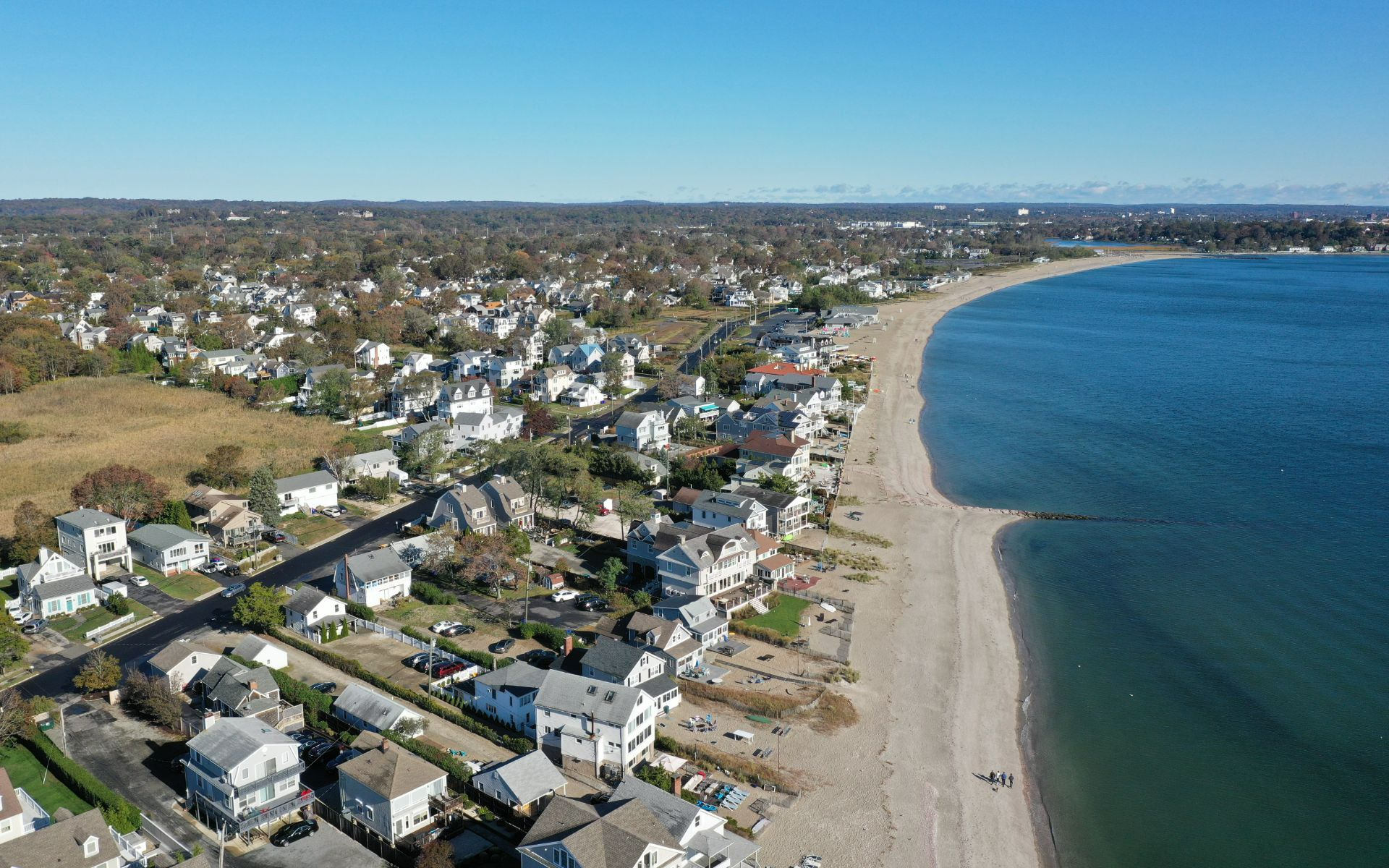
Its recreation profile is also distinctive. Compo Beach, a 29-acre park, includes a sand beach, boardwalk, pavilion, concession stand, play area, bathrooms, lockers, and marina adjacency, and Westport’s beach network extends beyond that to several additional shoreline access areas.
Fairfield may be the best fit if you want options. Compared with Weston, Fairfield offers more housing diversity, more rentals, multiple rail access points, shoreline amenities, and a wider range of neighborhood settings.
Official town materials note that Fairfield has three train stations, with the Parking Authority managing parking at two of the three and naming Fairfield Center, Southport, and Black Rock. Town documents also describe mixed-use and train-adjacent properties, reflecting a more layered development pattern than Weston.
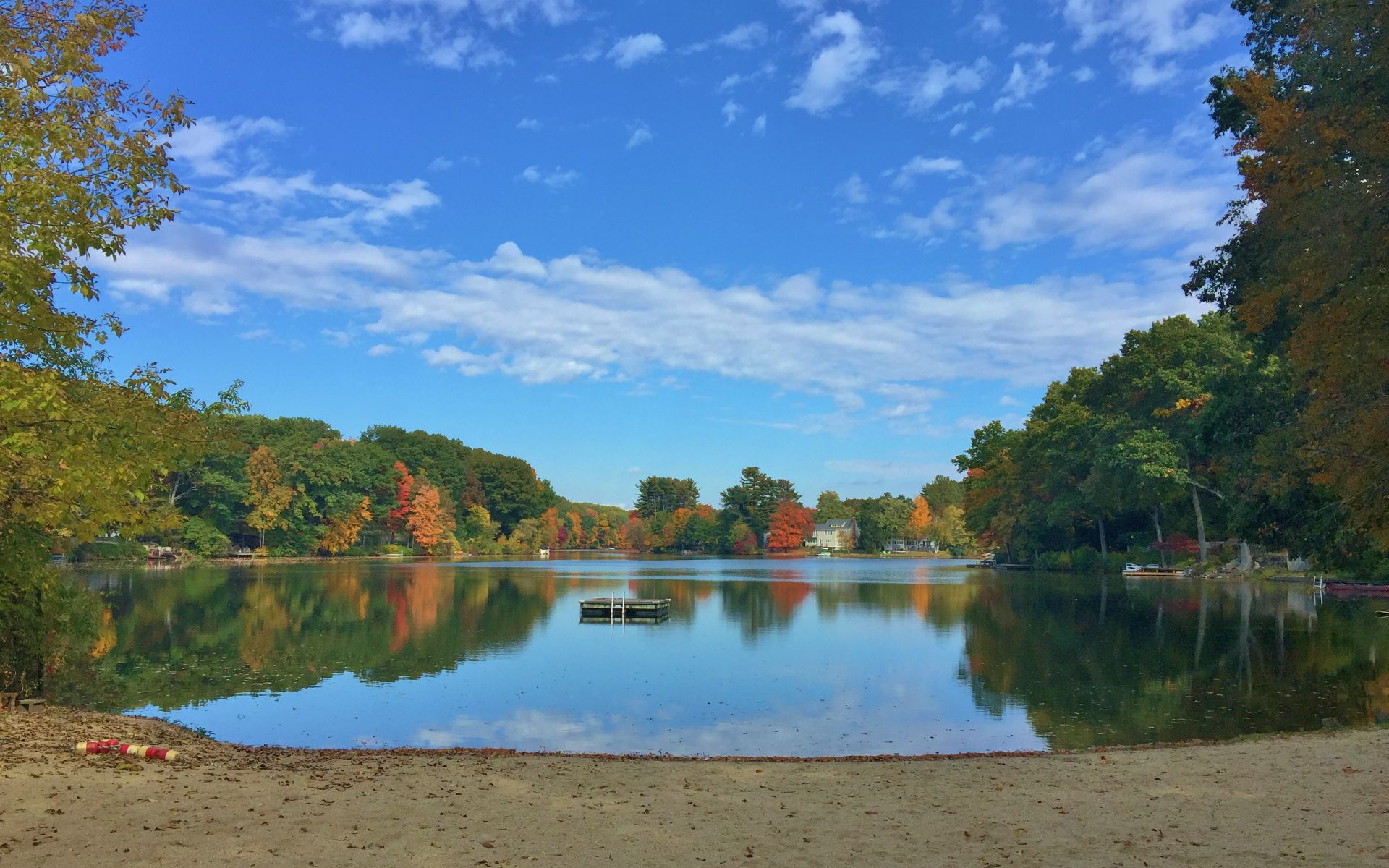
Fairfield’s amenity base is broad. An official town budget book states that the town has five public beaches on Long Island Sound and one freshwater facility, including Jennings, Penfield, South Pine Creek, Sasco, Southport, and Lake Mohegan.
Town reporting also shows a policy focus on promoting a full range of housing choices, including multi-family and accessory-unit opportunities. For buyers, that means Fairfield generally offers more product diversity than Weston’s largely detached, large-lot housing stock.
Here is the clearest way to think about these three towns based on current market and town data.
Town | Best Known For | Median Listing Price | Median Sold Price | Homes for Sale | Days on Market |
|---|---|---|---|---|---|
Weston | Privacy, acreage, low density | $1.462M | $985,900 | 32 | 36 |
Westport | Rail, downtown, shoreline amenities | $2.897M | $2.15M | 114 | 38 |
Fairfield | Variety, multiple access points, broader housing mix | $1.212M | $989,375 | 166 | 28 |
This table highlights the biggest takeaway. Westport is the premium outlier, while Weston and Fairfield are much closer on recent sold prices even though they offer very different living environments.
If you want space, privacy, and a quieter residential setting, Weston is hard to beat. Its two-acre zoning, conservation land, and limited inventory make it the most land-focused choice in this comparison.
If you want downtown access, shoreline amenities, and commuter rail convenience, Westport offers the strongest combination. You will likely pay more for that blend, but for many buyers, those conveniences are the point.
If you want the widest range of neighborhoods, housing types, and price points, Fairfield stands out. It offers more inventory, faster market pace, strong waterfront amenities, and a more segmented market that can fit different buyer goals.
For buyers, comparing these towns is not just about budget. It is about deciding whether you value land, convenience, or variety most.
For sellers, this comparison shows why pricing and positioning must be local and specific. A Weston home may compete on privacy, lot size, and residential setting, while a Westport or Fairfield property may draw attention for rail access, downtown proximity, or shoreline appeal.
When you understand those differences, you can make smarter decisions about where to buy or how to present a home for sale. That kind of town-by-town context is especially important in Fairfield County, where similar sold prices can still represent very different products and buyer expectations.
If you are weighing Weston against Westport or Fairfield, or preparing to sell in one of these markets, working with a local expert can help you focus on the details that matter most. For tailored guidance on pricing, positioning, and Fairfield County micro-markets, connect with Jennifer Lockwood.
Buying a Home
Are Home Prices Finally Coming Down in Fairfield County? Here's What the September Numbers Tell Us.
With a deep understanding of the luxury market and a commitment to staying ahead of the curve when it comes to technology and communication, I am able to provide a truly unparalleled level of service to my clients.