What Makes the Easton CT Real Estate Market Unique?
June 4, 2026
June 4, 2026
If you have looked at homes across Fairfield County and wondered why Easton feels so different, you are not imagining it. This is a town where preserved land, large-lot zoning, and a long-standing rural planning approach shape nearly every real estate decision. If you are buying or selling in Easton, understanding those local rules and patterns can help you make smarter moves. Let’s dive in.
Easton is not a typical suburban market built around easy expansion. The town describes itself as home to more than twenty working farms, with more than one third of its land forever preserved, and four reservoirs partly or fully within town boundaries.
That matters because Easton’s planning framework is designed to protect watersheds and preserve the town’s low-density residential character. In simple terms, the market is different by design, not by accident.
One of the biggest reasons Easton stands apart is the amount of land that cannot simply be turned into new housing. Easton’s Open Space Plan reports 7,724 acres of protected open space, including land owned by Aquarion, the State of Connecticut, Aspetuck Land Trust, and the town.
Easton also has a long history of conservation policy. The town became the first in Connecticut to adopt an agricultural land preservation fund in 1985, later added a 15% open-space set-aside for subdivisions, and enacted a scenic-road ordinance to help preserve rural roads.
For buyers and sellers, this creates a practical effect. There is less land available for ordinary subdivision, which helps keep the housing stock spread out and contributes to the larger-lot feel that many people associate with Easton.
Easton’s zoning structure is another major reason the market feels unique. According to the town’s 2018-2028 Plan of Conservation and Development, all 18,282 acres in town were zoned for residential use.
Most of that land is in the R-3 district, where minimum lot size is 3 acres. About 8% of town acreage is in the R-1 district, where minimum lot size is 40,000 square feet. Easton’s zoning regulations also permit one single-family dwelling per lot, reinforcing the town’s low-density pattern.
This has a big impact on what you see in the market. Instead of a wide mix of housing types, Easton is heavily oriented around single-family homes on larger parcels of land.
If you have ever asked why Easton homes often sit on such sizable lots, the answer is straightforward. Large minimum lot requirements are built into the zoning code, and the town plan is explicitly preservation-oriented.
That means lot size in Easton is not just a style preference. It is part of the town’s legal and planning structure, which has shaped development patterns over many years.
Easton also feels different because it has far less commercial development than many nearby towns. The town plan states that all land is zoned residential, and other uses make up only a small portion of land use, including utility and business uses.
The zoning regulations support that pattern by treating business mainly as a home-based or accessory use. For residents, that helps explain why Easton feels more rural and residential than many other Fairfield County communities.
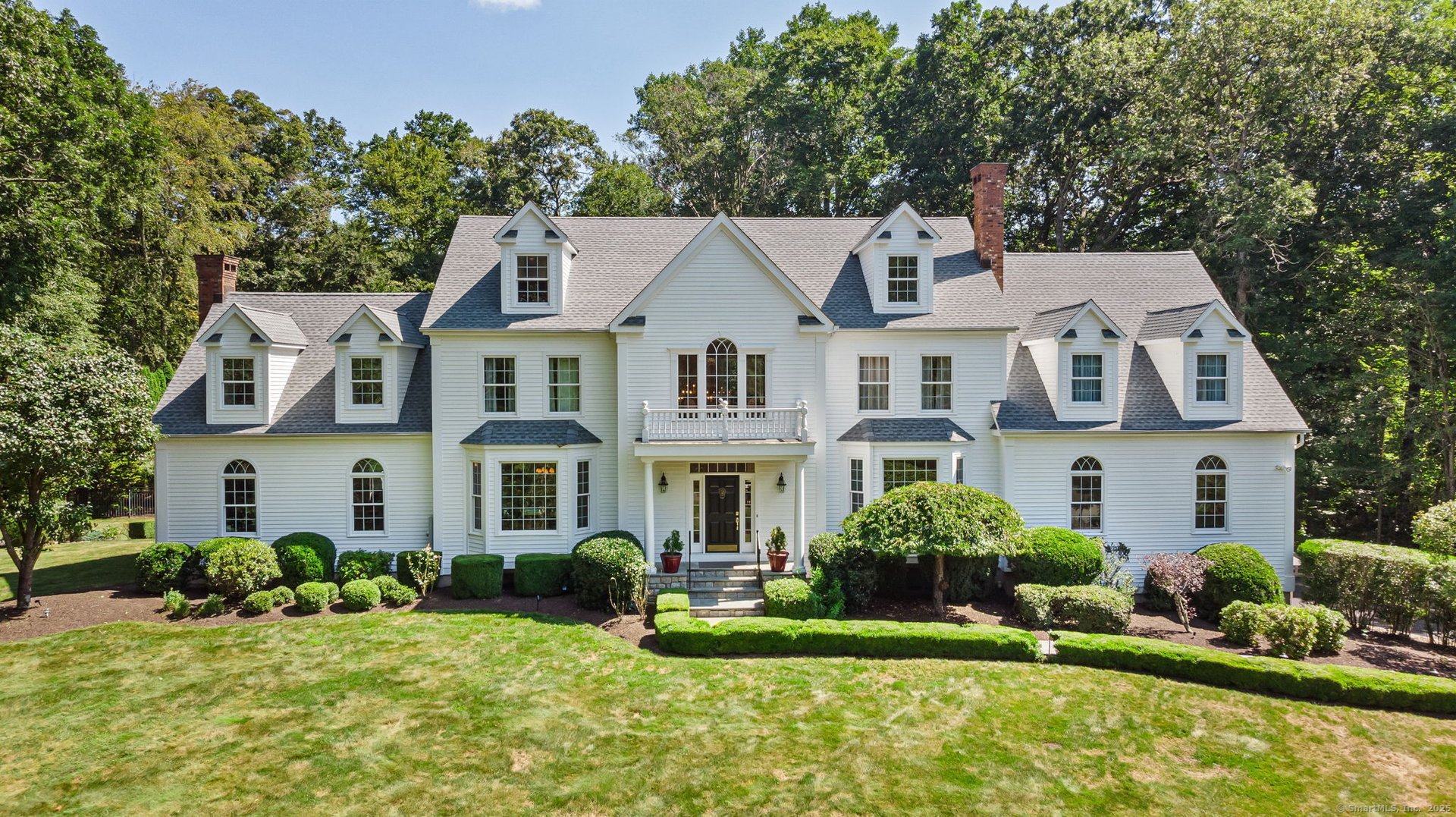
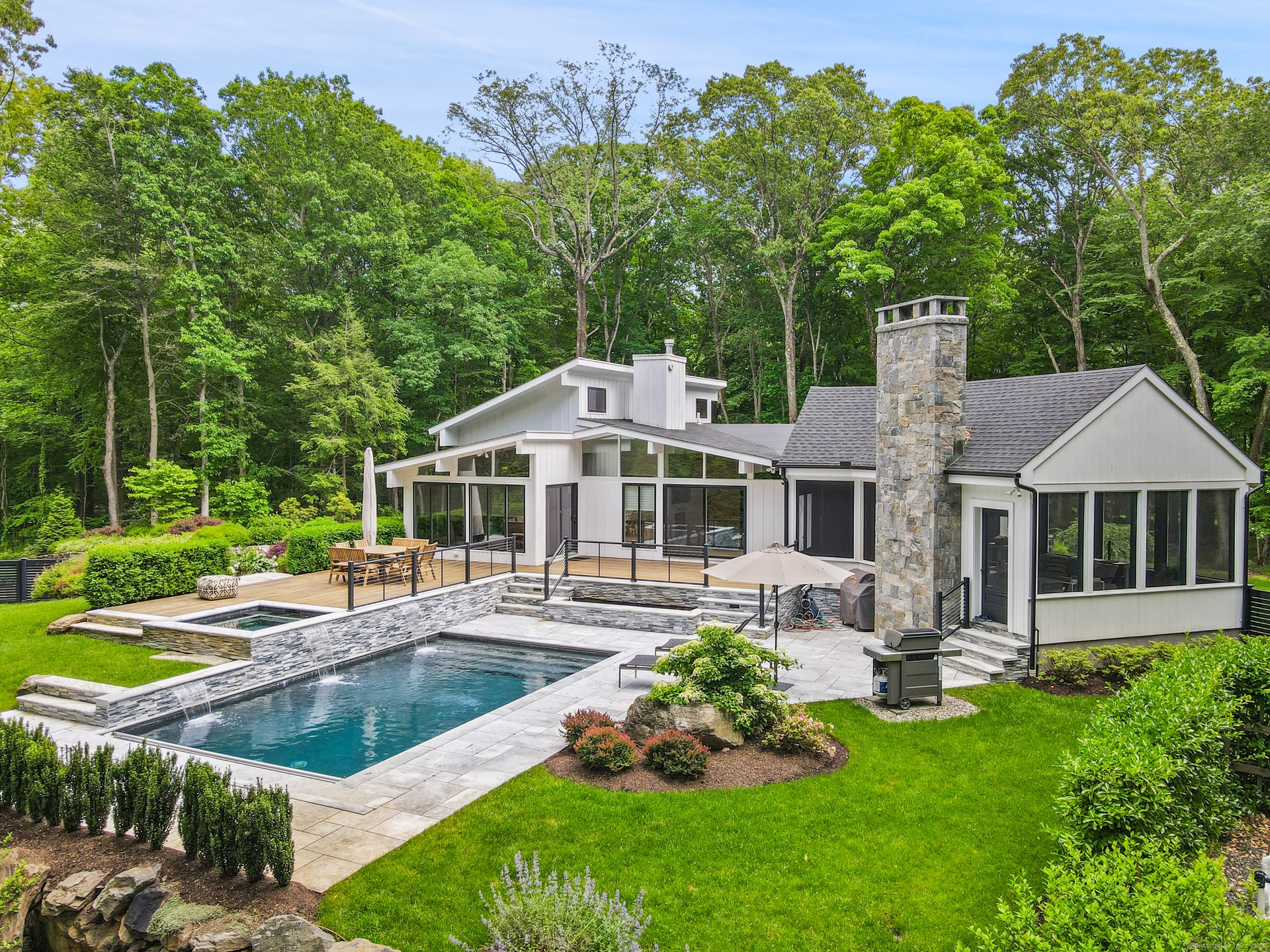
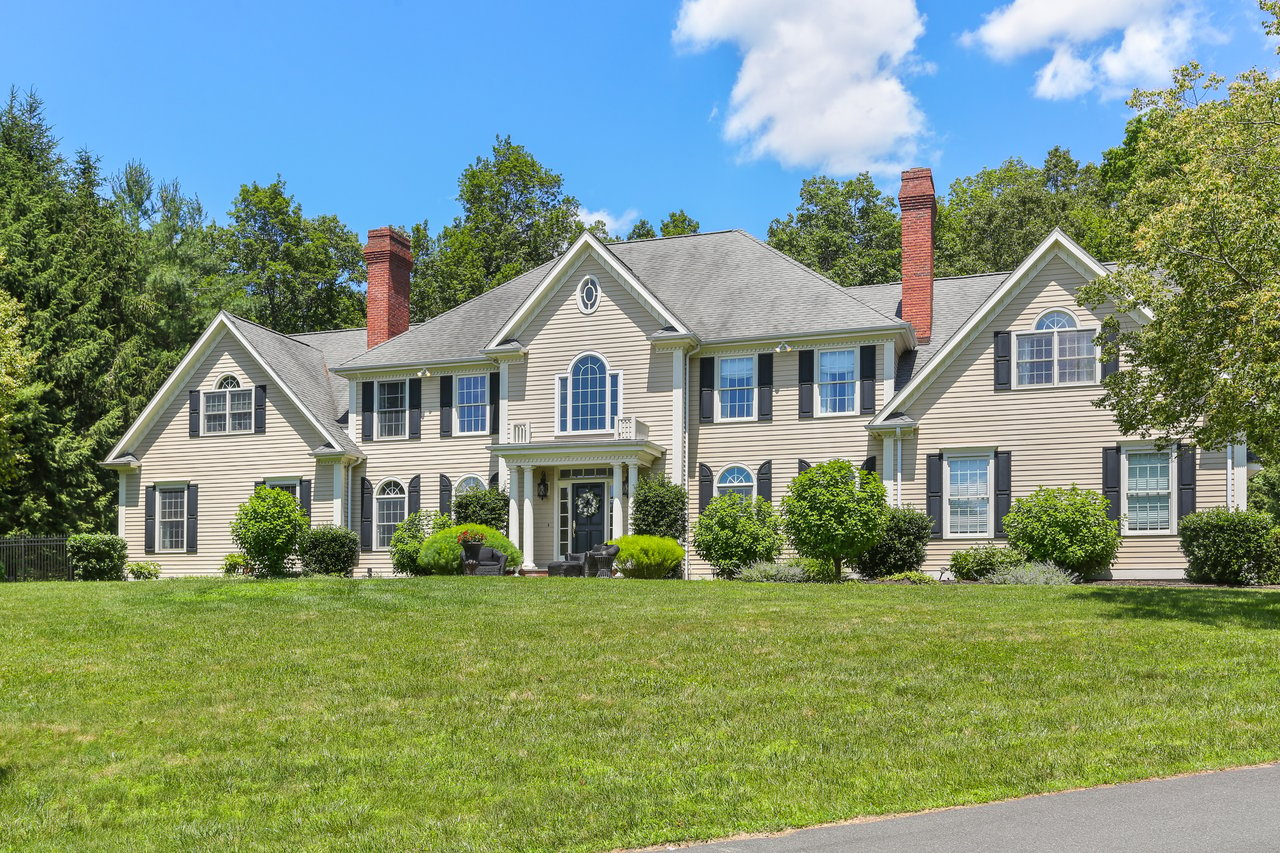
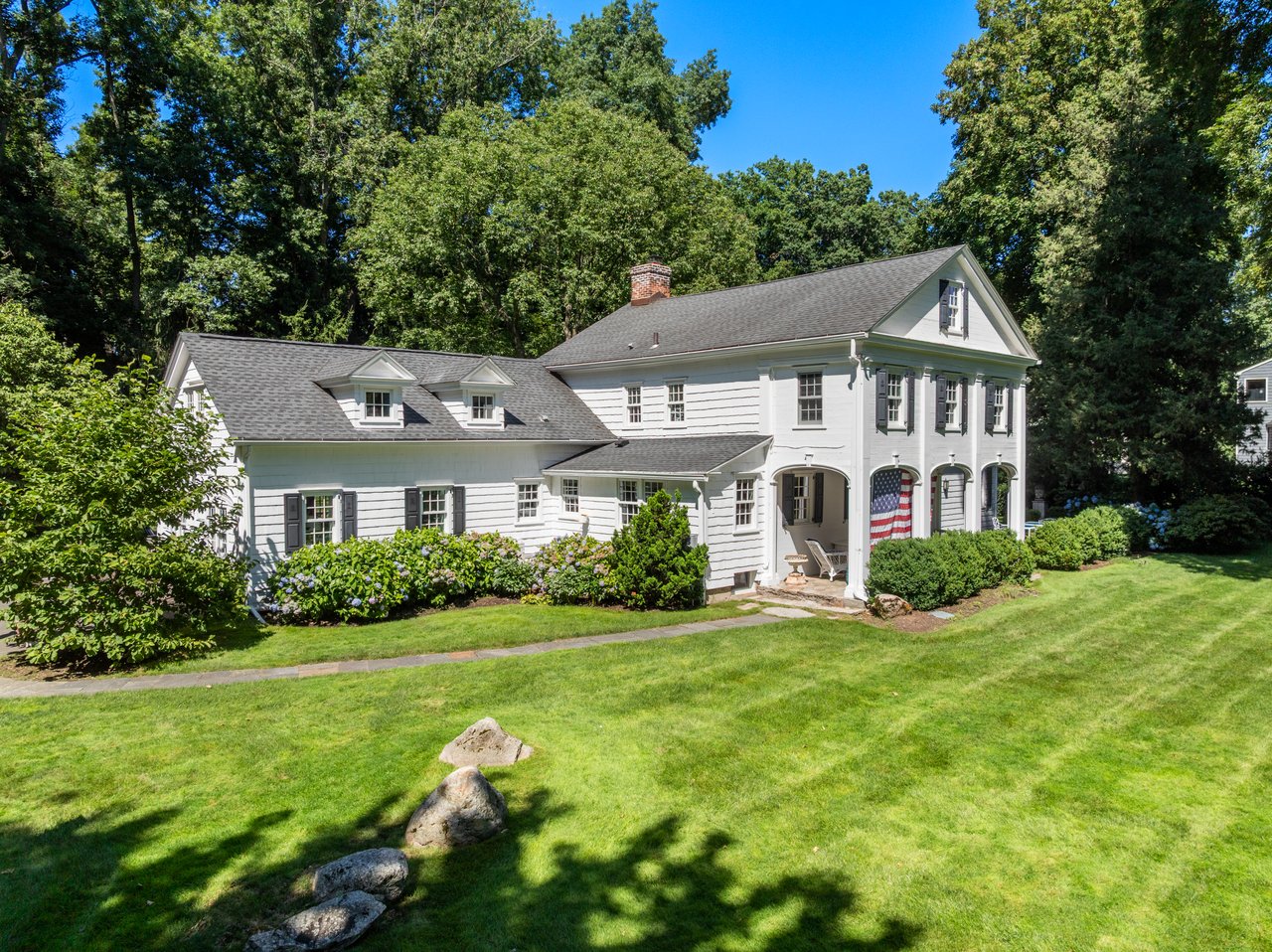
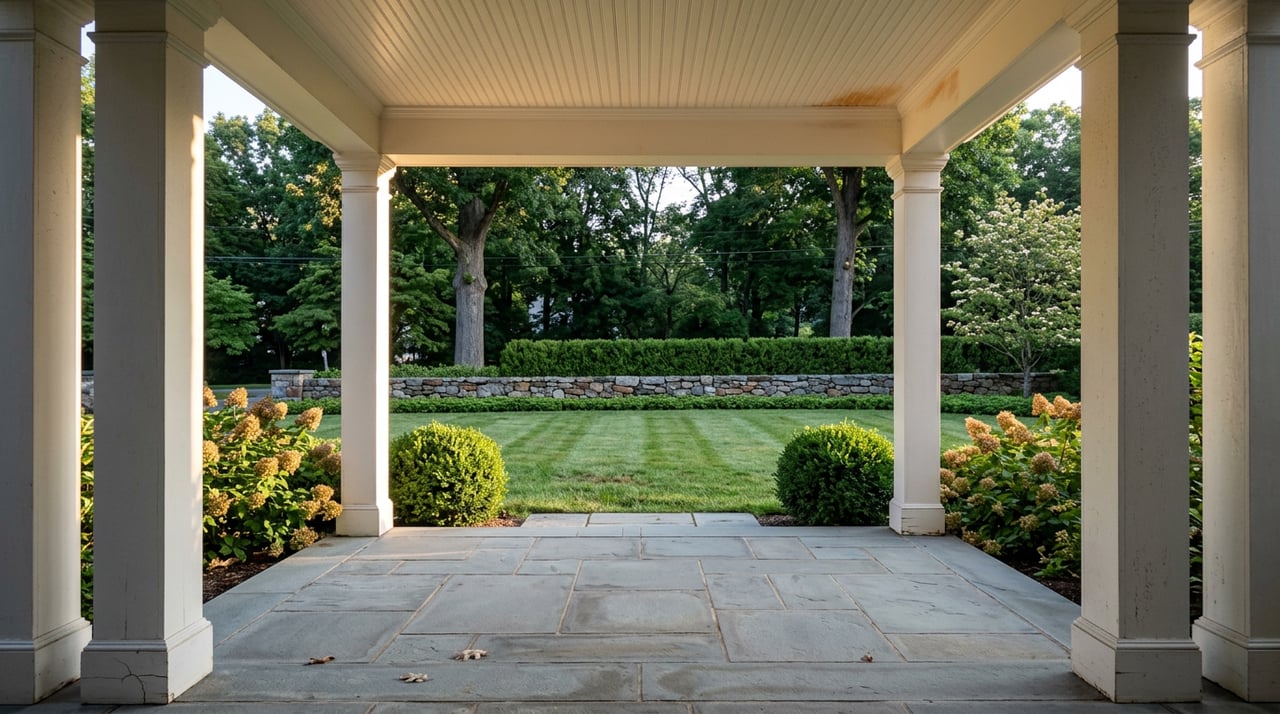
When you shop for a home in Easton, you are often evaluating more than the house itself. Acreage, buildable area, setbacks, privacy, and how the home sits on the land can matter just as much as interior finishes or square footage.
That is because Easton’s housing base is shaped by zoning, open-space adjacency, and conservation policy. Two homes with similar interiors can offer very different value depending on land characteristics and site context.
In many towns, buyers focus first on the home’s layout, updates, and style. In Easton, those things still matter, but the land often plays a bigger role in how a property is perceived.
A larger or better-situated parcel can affect privacy, usability, and the overall feel of the property. It can also shape how a buyer compares one listing to another.
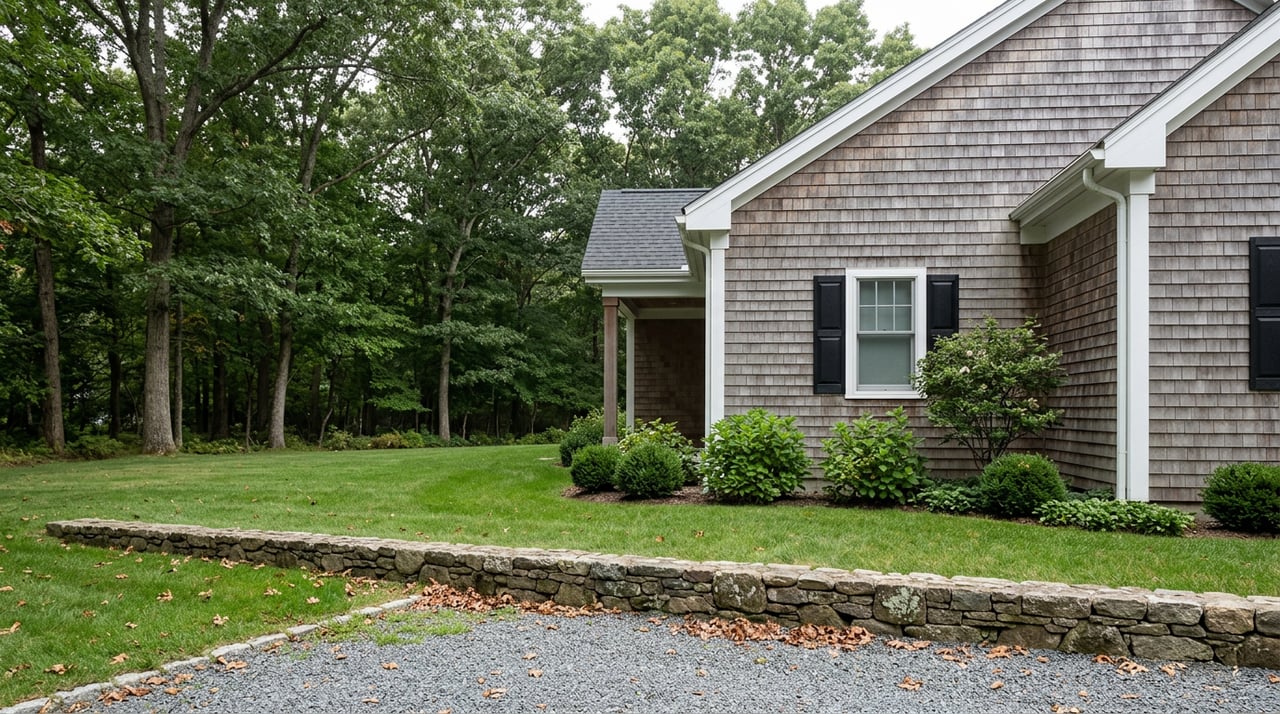
Homes in Easton are often influenced by what surrounds them. Preserved open space, watershed land, and the low-density setting can all contribute to how a property feels day to day.
That is one reason pricing in Easton can be nuanced. A property’s relationship to the surrounding land may carry real weight in buyer decision-making.
If you are selling in Easton, your property may need to be positioned differently than a home in a more conventional suburban market. Buyers are not just shopping for bedrooms and bathrooms. They are also looking at privacy, parcel size, and the overall site experience.
That means strong listing preparation and thoughtful marketing can be especially important. Clear visuals, accurate property presentation, and pricing that reflects both the home and its land context can help your home stand out.
In Easton, the story of a home usually extends beyond the front door. Sellers benefit when marketing captures the setting, the lot, and how the house relates to the land.
This is especially true in a market where preserved surroundings and spacious parcels are part of the appeal. Buyers often want to understand the complete property experience before they even schedule a showing.
Easton’s numbers help explain the market’s profile. U.S. Census QuickFacts shows an owner-occupied housing unit rate of 88.1%, a median owner-occupied value of $783,100, and median household income of $222,604 for 2020-2024.
A March 2026 market snapshot from Realtor.com showed 29 homes for sale, a median listing price of $1.20 million, median days on market of 22, and a 100% sale-to-list ratio. Even with the market labeled balanced overall, those figures point to relatively tight inventory in a higher-value market.
For buyers, that can mean well-positioned homes move efficiently. For sellers, it underscores the value of entering the market with a smart pricing and presentation strategy.
Easton’s land records date back to its incorporation in 1845, and the town’s open-space planning history shows a long commitment to preservation. Policies like farmland preservation, subdivision open-space set-asides, and scenic-road protections did not appear overnight.
They reflect a consistent local approach that has helped Easton remain more rural and less commercially developed than nearby towns. That long history is a big reason the market still feels distinct today.
When people compare Easton with other Fairfield County towns, the differences often come down to planning and land use. Preserved open space, watershed land, low-density zoning, and limited commercial development all shape the buyer experience.
That is why Easton can feel quieter, more spread out, and more land-driven than neighboring markets. It is not simply a matter of home style. It is the result of decades of local policy and a very specific town character.
If you are considering a move into Easton or thinking about selling there, local context matters. A market like this rewards careful analysis, especially when land, zoning, and property setting all influence value. If you want guidance tailored to Easton and the surrounding Fairfield County market, Jennifer Lockwood can help you navigate your next move with clarity and confidence.
Buying a Home
Are Home Prices Finally Coming Down in Fairfield County? Here's What the September Numbers Tell Us.

With a deep understanding of the luxury market and a commitment to staying ahead of the curve when it comes to technology and communication, I am able to provide a truly unparalleled level of service to my clients.