Easton CT Farm to Table Living and Local Flavor
May 14, 2026
May 14, 2026
Looking for a place where local food is not just a weekend event, but part of everyday life? In Easton, farm-to-table means more than a seasonal trend. It is woven into how you shop, eat, celebrate, and experience the town year-round. If you are curious about what makes Easton’s lifestyle so distinctive, this guide will show you how the town’s farms, orchards, and market stops shape daily living. Let’s dive in.
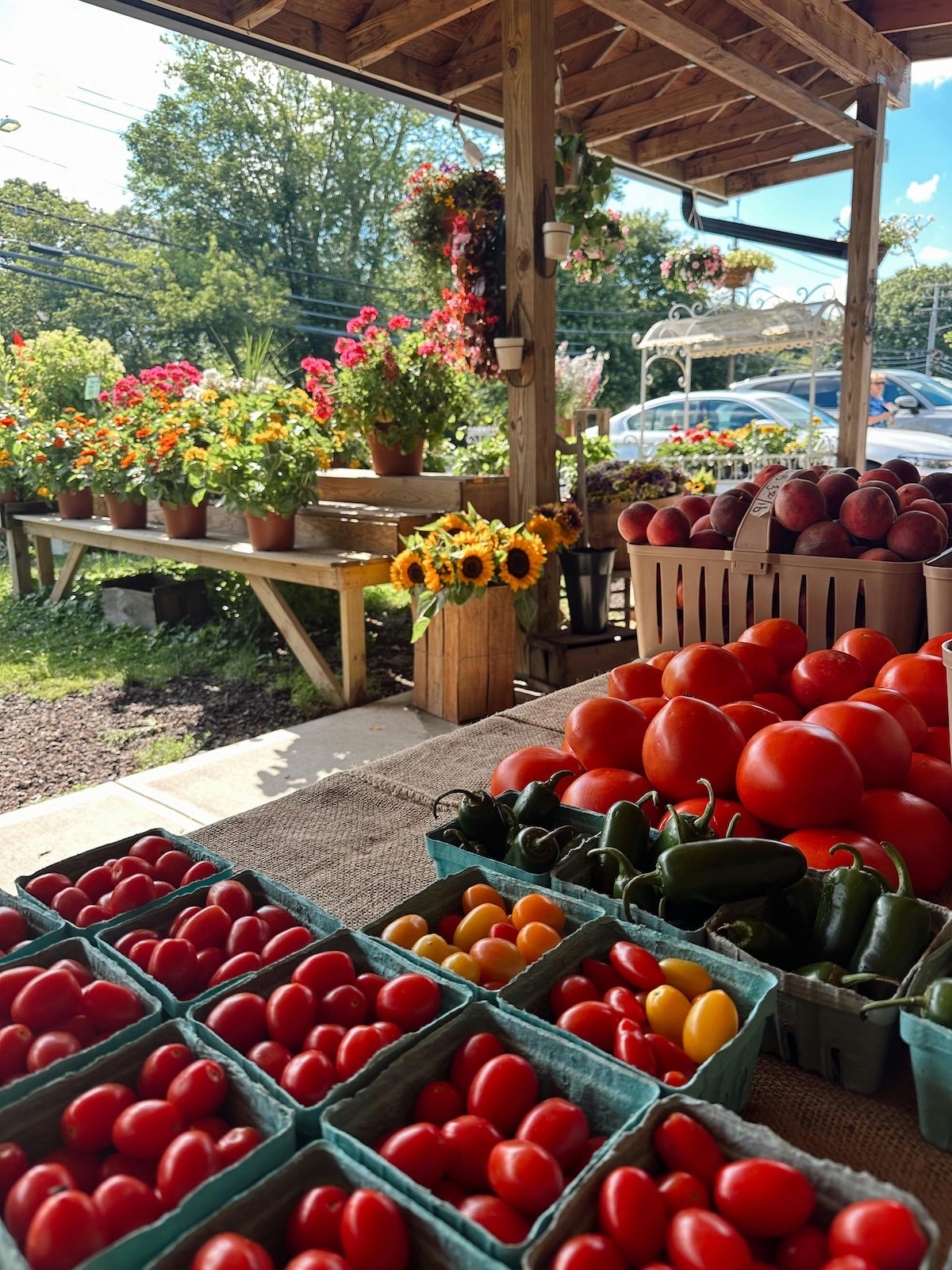
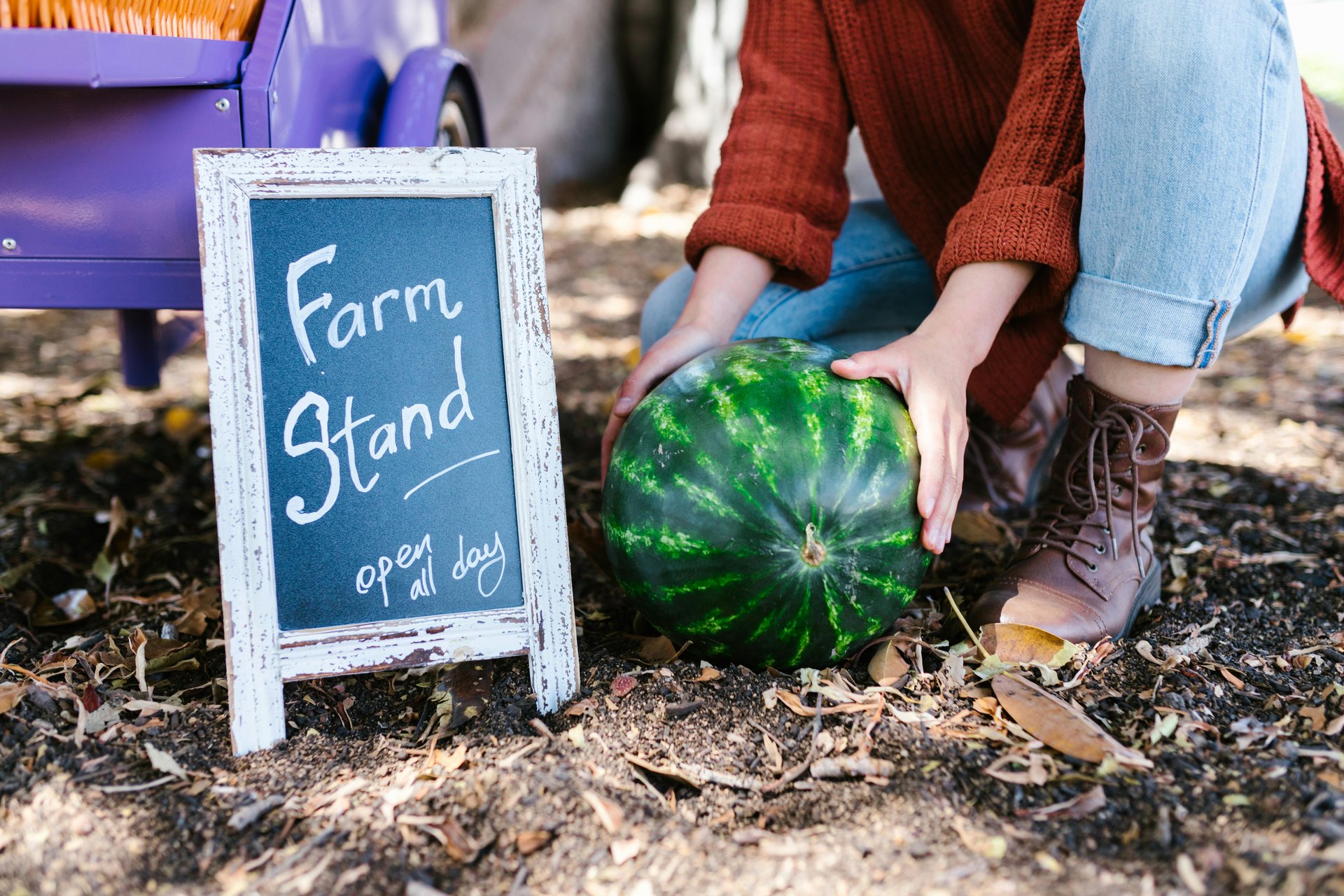
Easton stands out because its farm scene is spread throughout town instead of centered on one large farmers market. According to Easton’s Agricultural Commission, the entire town has been declared a farmers’ market, with the public invited to shop at more than 20 working farms. That creates a lifestyle built around direct buying, local products, and seasonal rhythms.
For you as a resident or homebuyer, that means farm-to-table living in Easton feels natural and accessible. You are not waiting for one day a week to shop local. Instead, you can build local food into your normal routine with farm stands, orchards, and neighborhood stops throughout the year.
In Easton, farm-to-table is often less about a formal outing and more about small, consistent habits. You might stop for coffee, pick up produce, grab eggs, or browse local goods all in the same trip. That flexibility is part of what makes the town’s food culture feel so grounded and livable.
Greiser’s Coffee & Market is one of the clearest examples. Located in a 220-year-old building in Easton’s historic center, Greiser’s serves as a community hub with grocery staples, specialty foods, locally made crafts, and local knowledge about farms around town. It captures the way Easton blends errands, connection, and local sourcing into one stop.
The town’s agricultural listings also show how many Easton products reach buyers through daily shopping patterns. Shaggy Coos Farm products include milk, eggs, beef, pork, and seasonal gelato and yogurt, with some items available at Greiser’s. Speckled Rooster Farm eggs and greens are also sold there, and Gilberties microgreens are available through both Greiser’s and Sport Hill Farm.
Easton’s farm-to-table lifestyle comes alive through the variety of places you can visit. Some farms focus on produce, some on orchards, and some on family activities or seasonal shopping. Together, they create a town-wide food identity that feels rich, practical, and distinctly local.
Silverman’s Farm is one of Easton’s best-known farm destinations. Its country market offers fruits, vegetables, dairy products, jams, jellies, and condiments. The farm also highlights pick-your-own experiences, an animal farm, a pumpkin patch, and a winter holiday season.
For many people, Silverman’s reflects the fun side of Easton’s local food culture. It gives you a place to shop for ingredients while also enjoying a hands-on seasonal outing. That mix of utility and experience is a major part of Easton’s appeal.
Sherwood Farm shows how deep the town’s produce culture runs. The farm says it grows more than 90 varieties of vegetables and starts its annual bounty in early June with greens and strawberries. It also offers year-round eggs plus bread, mozzarella, honey, and a wide range of seasonal produce.
This kind of variety makes it easier to picture local ingredients as part of your weekly meals, not just special occasions. Sherwood also notes that restaurants and small retailers in nearby communities buy directly from the farm, reinforcing its role as a serious local food source.
Sport Hill Farm adds another layer to Easton’s farm identity. The town lists it as a source for vegetables, herbs, bread, milk, preserves, meat, eggs, fruit, honey, and Gilberties microgreens. It also offers educational programs and a children’s summer farm camp.
That makes Sport Hill Farm especially useful for understanding the family-friendly side of Easton living. It is not only a place to buy food. It is also a place where people can learn, connect, and spend time close to the land.
Easton’s Agricultural Commission also highlights Aspetuck Valley Orchard and Lakeview Orchards as important parts of the local farm-stand landscape. Aspetuck Valley Orchard is listed with flowers, fruits, honey, vegetables, frozen pies, cheese, Christmas trees, annuals, and perennials. Lakeview Orchards is listed with fruits, vegetables, and pumpkins.
These destinations help show why Easton feels more like a farm-stand town than a single-market town. You are moving through a network of local sources, each with its own specialties and seasonal strengths.
One of the most appealing parts of Easton’s farm-to-table identity is how closely it follows the calendar. The experience changes throughout the year, which gives local living a strong sense of rhythm. Each season brings a different way to enjoy the town’s agricultural roots.
Spring signals the return of fresh greens, herbs, seedlings, and early fruit. Sherwood Farm says its season begins in early June with greens and strawberries. That early harvest helps mark the shift into a more active local food season.
It is also a time when availability starts to depend on weather and crop timing. Silverman’s notes that pick-your-own schedules change with conditions, which is a helpful reminder that Easton’s food culture follows the land rather than a fixed retail calendar.
Summer is when Easton’s farms show their widest range. Sherwood lists beans, herbs, tomatoes, melons, berries, squash, root crops, flowers, and eggs. Sport Hill Farm’s listing adds bread, milk, preserves, meat, fruit, honey, and microgreens to the mix.
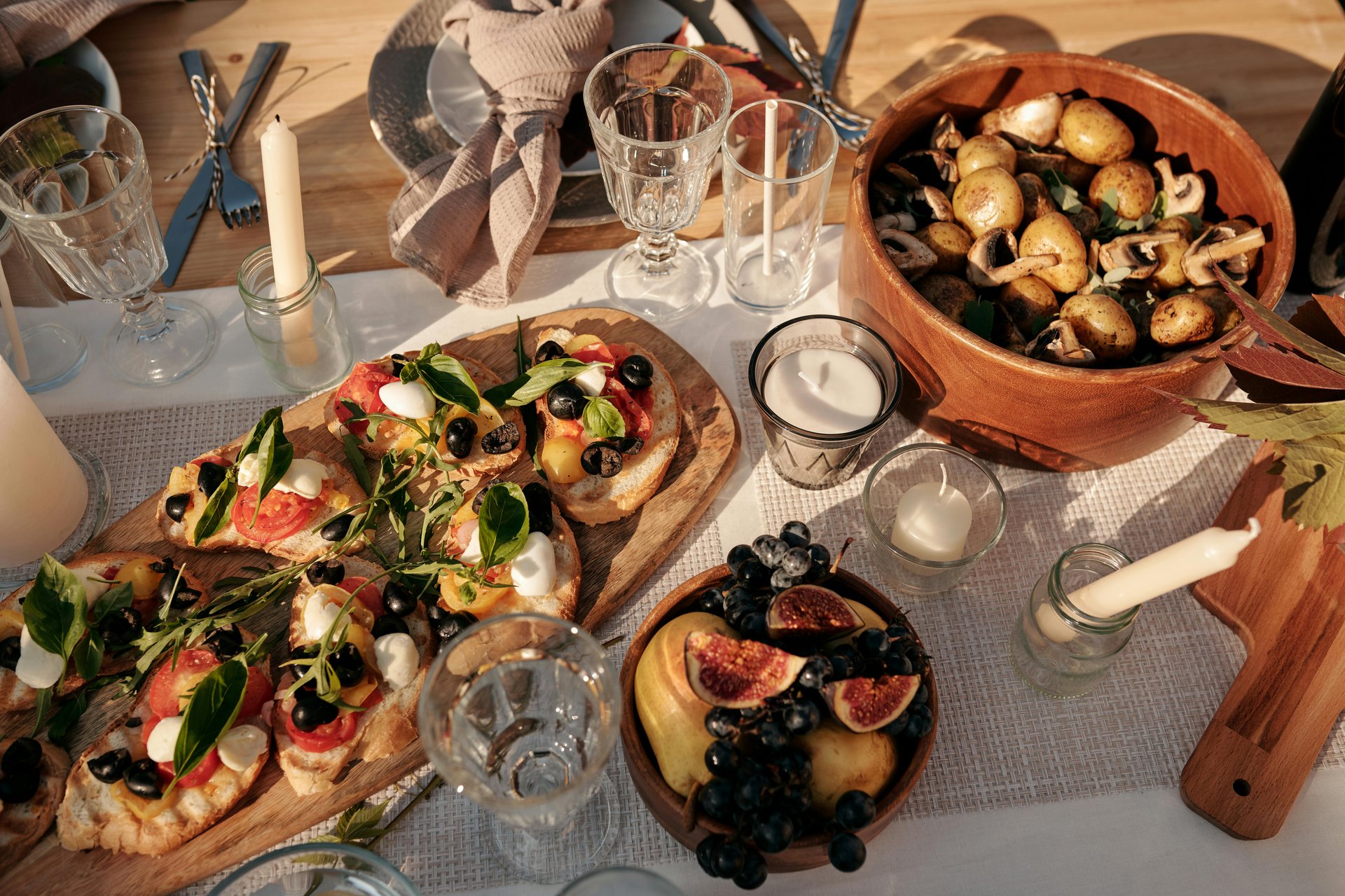
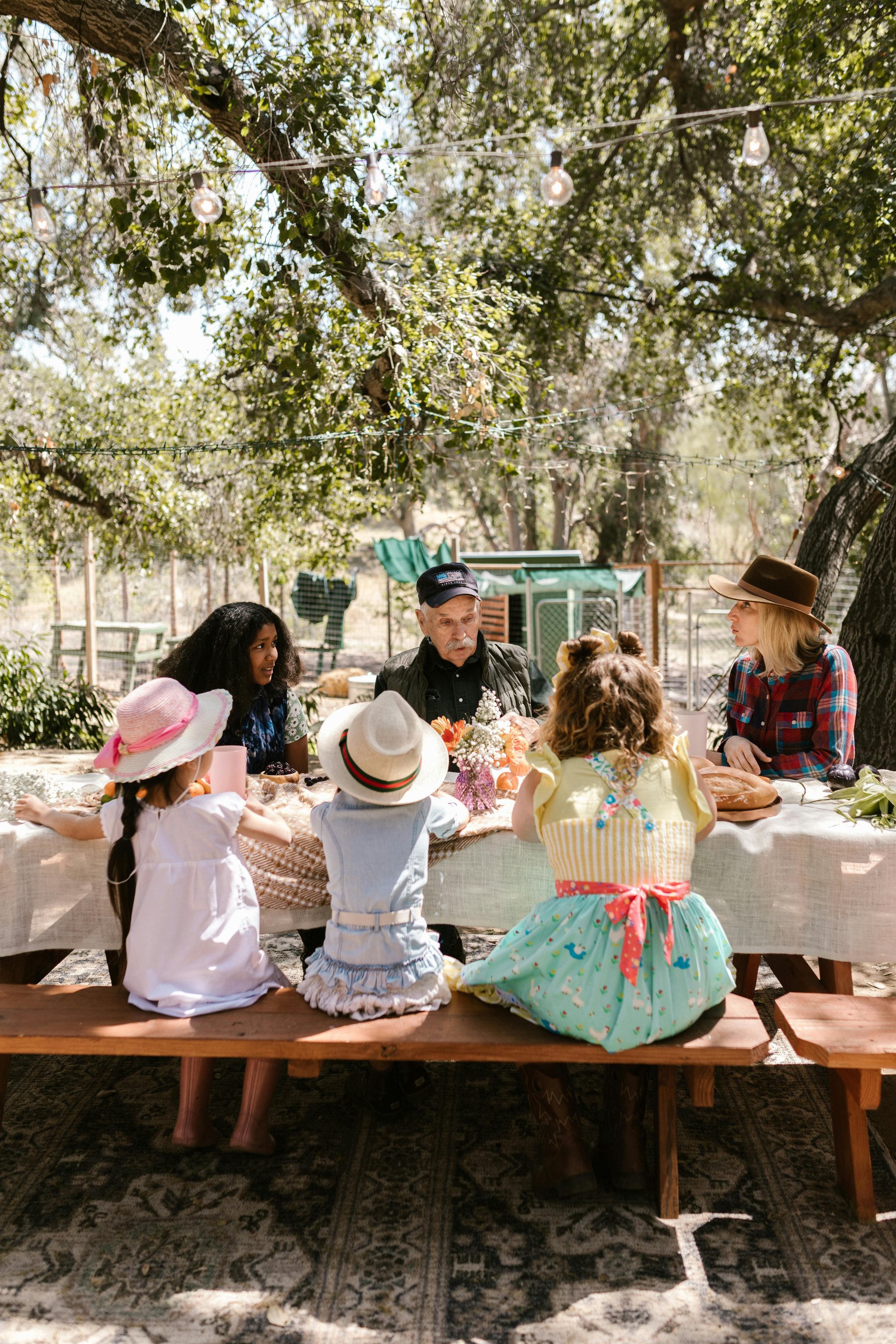
For you, that means summer meals can be built around ingredients grown close to home. Local food becomes part of everyday cooking, casual gatherings, and simple routines. It is one of the clearest examples of how Easton’s lifestyle supports a slower, more connected pace.
Fall is when Easton’s farm culture becomes especially visible. Silverman’s highlights its pumpkin patch and orchard-style picking, while the town’s agricultural list connects pumpkins to several local farms and orchards, including Lakeview Orchards, Sherwood Farm, and Silverman’s.
This is the season when many people feel Easton’s character most strongly. Farm visits, orchard stops, and autumn traditions all become part of the landscape. The result is a town atmosphere that feels active, local, and rooted in place.
Winter brings a different kind of farm-to-table tradition, with holiday shopping and Christmas tree season taking center stage. Maple Row Farm says it has been growing Christmas trees since the 1950s and offers holiday shopping hours along with mulch and firewood.
Easton’s agricultural materials describe the town as the Christmas Tree Capital of Connecticut, and the local farm list includes several tree farms such as Everetts Corner Tree Farm, Ganim’s Tree Farm, Keneally Christmas Tree Farm, Sabia Tree Farm, and Slady’s Christmas Tree Farm. That density makes winter agriculture feel like a true part of Easton’s identity, not just a side note.
For many buyers, Easton’s farm-to-table culture adds meaning to daily life. It offers a sense of place that goes beyond the house itself. You are not only choosing a property. You are choosing routines, traditions, and nearby destinations that can shape how you spend your time.
This can be especially appealing if you are relocating from a denser metro area and want more connection to the seasons and local businesses. Easton offers a version of Fairfield County living that feels grounded, scenic, and community-oriented without relying on a single commercial center. The town’s farm network helps define that character.
For move-up buyers and long-term homeowners, this lifestyle can also support the kind of everyday quality people often want more of. Easy access to local produce, family-friendly farm outings, and seasonal traditions can make home life feel richer and more intentional.
The strongest way to understand Easton is to think beyond the idea of one farmers market. Easton is a town where local food is distributed across working farms, orchards, roadside stands, and everyday gathering places. That structure makes the farm-to-table experience feel more personal and more integrated into how people actually live.
If that sounds like the kind of lifestyle you want, Easton is worth a closer look. And if you are considering buying or selling in Fairfield County, working with a local expert can help you understand how lifestyle and real estate fit together. To explore Easton and the surrounding market with a trusted local guide, connect with Jennifer Lockwood.


Buying a Home
Are Home Prices Finally Coming Down in Fairfield County? Here's What the September Numbers Tell Us.







With a deep understanding of the luxury market and a commitment to staying ahead of the curve when it comes to technology and communication, I am able to provide a truly unparalleled level of service to my clients.