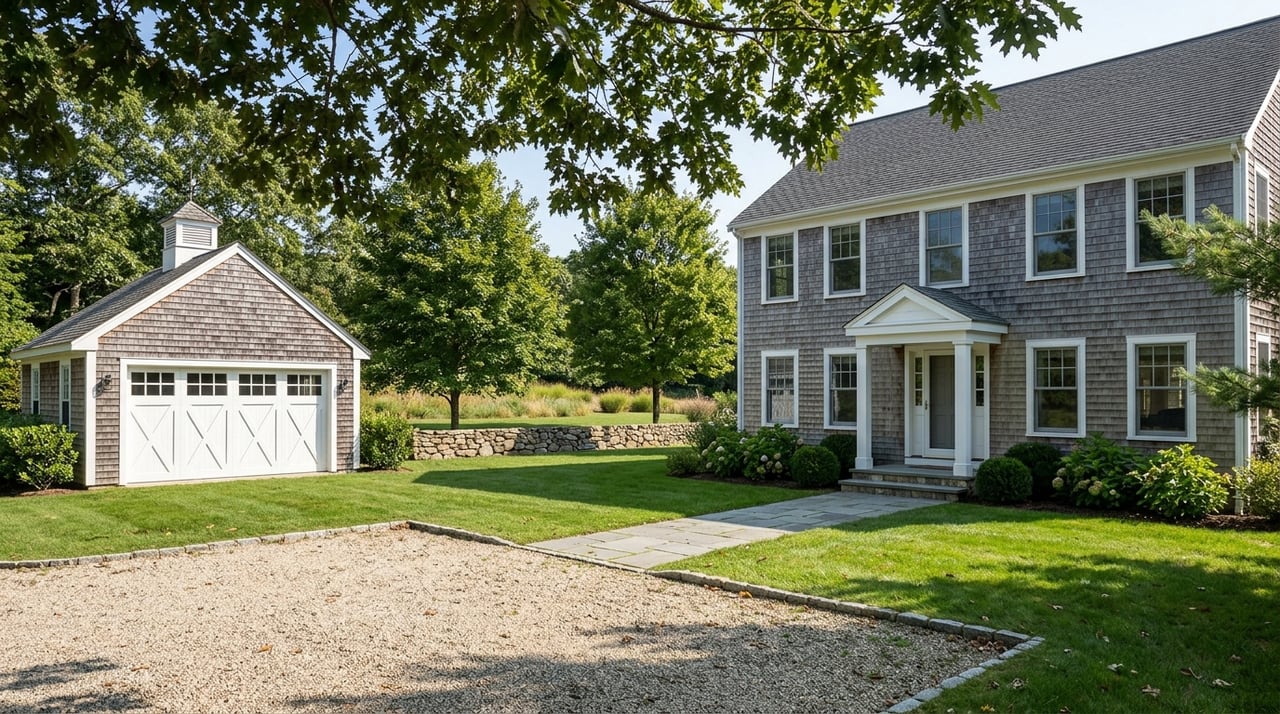
Buying A Home With Land In Easton CT
Easton Community April 2, 2026
Easton Community April 2, 2026
Looking for a home with land in Easton, CT? You are not alone. Many buyers are drawn to Easton for more than square footage. They want room to spread out, privacy, and a property that can support the way they actually want to live. If that sounds like you, it helps to know that in Easton, usable land matters just as much as total acreage. This guide will walk you through what to watch for before you buy. Let’s dive in.
Easton is one of the clearest land-oriented towns in Fairfield County. The town notes that it is home to more than twenty working farms, has more than one-third of its land forever preserved, and includes four reservoirs lying all or partially within its boundaries. You can see that emphasis in the town’s overview of Easton.
That matters when you are buying a home with land. In Easton, larger lots are not just a luxury feature. They are part of the town’s identity and tied to long-term land use, watershed protection, and preservation goals.
If you are shopping for land in Easton, start with zoning. The town has two main residential districts, including a district with a minimum lot area of 40,000 square feet and another with a minimum lot area of 3.0 acres, according to Easton’s housing plan and zoning regulations.
Most of the town falls in the 3-acre district. Easton’s 2018 conservation and development plan, cited in the housing plan, said about 92% of town land was in that district. So when you see a listing with several acres, that is consistent with the local pattern.
Still, bigger is not always simpler. Easton’s zoning regulations also set minimum buildable areas, and those are different from the total lot size. In Residence A, the minimum buildable area is 34,000 square feet. In Residence B, it is 2.0 acres.
This is one of the most important things to understand before buying a home with land in Easton. A parcel may look generous on paper, but not all of it may function the way you expect.
Under Easton’s zoning regulations, features like wetlands, watercourses, waterbodies, and steep slopes can affect how much of the lot counts toward key calculations. That means the area available for a house site, septic, driveway, pool, barn, paddock, or future addition may be smaller than the total acreage suggests.
If you are comparing properties, ask questions like:
Those details can have a big impact on how a property works for you over time.
In Easton, acreage is only part of the story. Access and layout matter too.
The town allows flag lots and interior lots only under special-permit rules, based on the zoning regulations. So if you are considering a parcel set back from the road or a property with a long private approach, it is smart to look closely at frontage, driveway placement, and whether the lot is conforming or nonconforming.
This is especially important if you are thinking ahead to future changes. A property that feels private and tucked away can be appealing, but you still want to know how that access works from a zoning and usability standpoint.
One reason buyers look to Easton is flexibility. The zoning code permits single-family homes, accessory dwelling units, agriculture, and, under defined conditions, chickens, horses, livestock, and equine facilities.
For you, that can open up more possibilities than just having a larger lawn. Depending on the property and the applicable rules, you may be able to find a home that supports hobby-farm goals, horse-property use, or multigenerational living with an accessory dwelling unit.
Of course, not every parcel will support every use. The key is to match your goals with the property’s actual zoning, layout, and site conditions before you move forward.
Easton appeals to buyers who want privacy, natural surroundings, and a more rural feel within Fairfield County. The town’s trails, recreation, and open-space resources highlight hiking, dog walking, cross-country skiing, riding, fishing access, and snowshoeing on selected open-space parcels.
At the same time, it is important to understand what reservoir-adjacent land means here. Easton notes that its reservoirs are primary drinking-water sources and are not open to hiking, fishing, or boating. So if a property is near reservoir land, think of that as protected watershed context rather than recreational waterfront access.
When you buy a home with land in Easton, private infrastructure becomes a major part of the evaluation. The town’s housing plan states that community septic systems are prohibited, and residences must use individual septic systems under town health oversight.
The Aspetuck Health District approves septic systems and private wells, and Easton’s short-term rental rules require septic inspection and water analysis before permit issuance or renewal. Even if you are not buying for rental use, that is a helpful reminder that septic and water quality are essential due diligence items.
Before closing, it is wise to confirm:
On a land-focused property, these questions are not side issues. They are central to the property’s long-term function and value.
If you are dreaming about adding a pool, expanding the home, clearing trees, grading land, or changing the driveway, pay attention to wetlands early. Easton’s Inland Wetlands and Watercourses Agency reviews regulated activities, and the town states that work within 100 feet of a wetland border must be submitted for review before work begins.
That does not mean a property is unusable. It means you should understand the review process and constraints before you buy, especially if future improvements are part of your plan.
For wooded or farm parcels, one more question is worth asking early: is the property enrolled in PA 490 farm or forest classification? Easton’s Assessor information on PA 490 explains that the program is intended to encourage preservation and that a conveyance-tax issue can arise in some transfer situations.
This is not automatically a problem. It is simply something you want to understand clearly as part of the purchase process, especially if the property includes substantial open land or agricultural use.
Inventory also shapes your search. December 2025 summary for Easton reported a median home price of $867,499, with 21 active listings, an average of 55 days on market, and a seller’s market.
Treat that as a snapshot, not a permanent rule. Still, if you are looking for a home with land in Easton, limited inventory can mean that the most appealing properties move quickly. Preparation matters.
If you are serious about buying a home with land in Easton, these are smart questions to ask before making an offer:
A good property search in Easton is not just about finding acreage. It is about finding the right kind of acreage for your goals.
Buying a home with land in Easton can be incredibly rewarding if you know what to look for. The town offers a rare combination of preserved open space, larger-lot zoning, and rural character within Fairfield County. But here, the smartest buyers look beyond the listing sheet and dig into buildable area, access, wetlands, and septic realities.
If you are planning a move to Easton or comparing estate-style properties across Fairfield County, working with someone who understands the local land-use details can save you time and help you make a more confident decision. If you want guidance tailored to your goals, connect with Jennifer Lockwood for a complimentary market consultation.
Buying a Home
Are Home Prices Finally Coming Down in Fairfield County? Here's What the September Numbers Tell Us.

With a deep understanding of the luxury market and a commitment to staying ahead of the curve when it comes to technology and communication, I am able to provide a truly unparalleled level of service to my clients.