Living On The Water In Westport CT
Buying a Home March 28, 2026
Buying a Home March 28, 2026
Salt air, sunrise on the Sound, and a quick walk to the beach can be your everyday in Westport. If you are relocating or moving up, buying on or near the water here feels exciting and a little complex. You want the coastal lifestyle, and you also want clear answers on flood maps, insurance, permits, and ongoing costs. This guide gives you a practical overview of neighborhoods, amenities, and due diligence so you can buy with confidence. Let’s dive in.
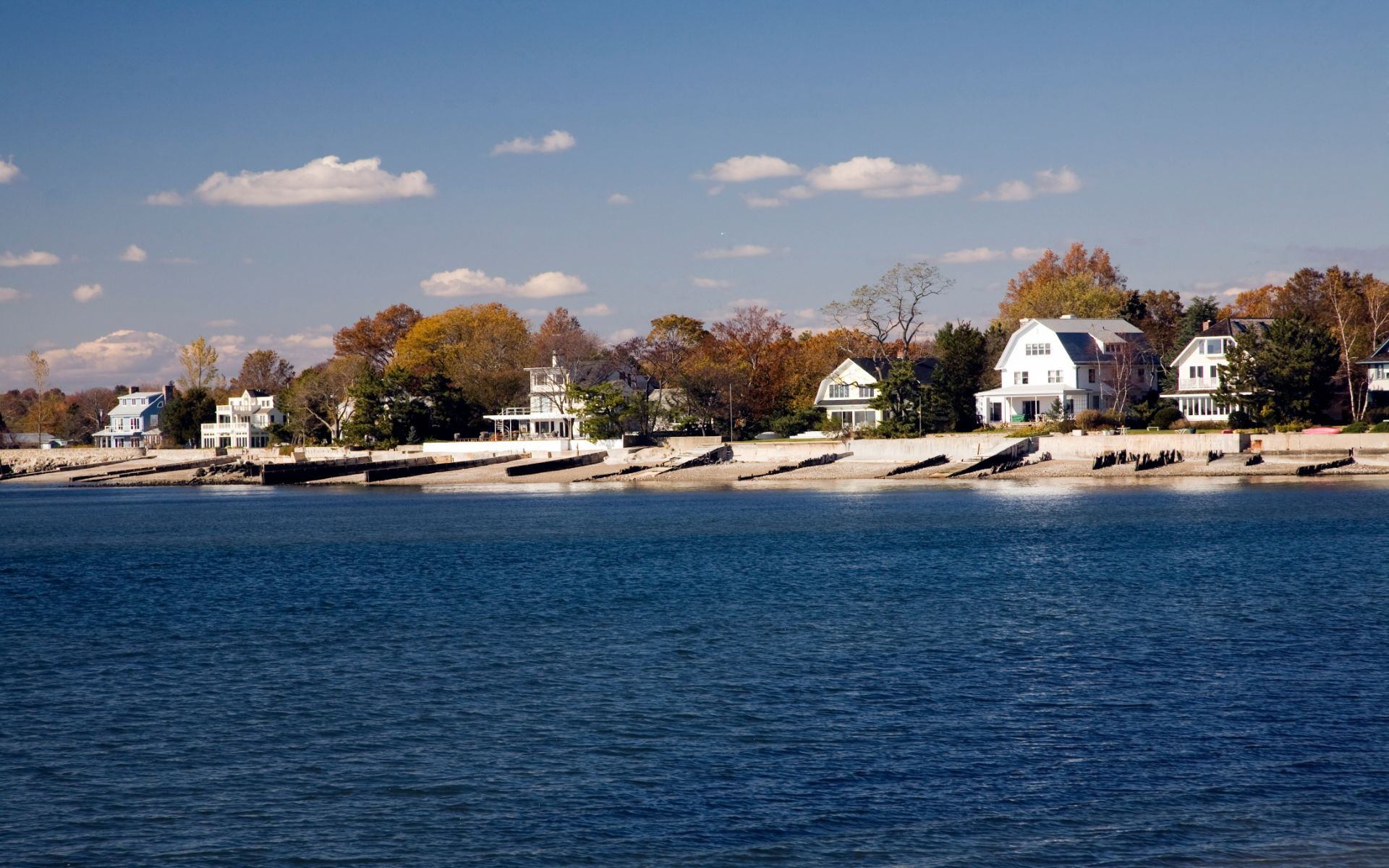
“Waterfront” can mean open Long Island Sound exposure with sandy shoreline and sweeping views. In Westport, that often centers on Compo Beach, the town’s main public beach with seasonal amenities and parking rules that shape daily life near the sand. You can get a feel for local programming and access details by reviewing the town’s page for Compo Beach. Soundfront homes experience tidal surge and wave action, which affects construction choices and insurance.
Riverfront homes sit on the tidal Saugatuck River or in sheltered harbor areas. Many buyers seek these locations for calmer water, potential private docks or moorings, and proximity to boating facilities such as the Saugatuck Harbor Yacht Club. These properties often carry different risk profiles than open Soundfront, and many lie within FEMA AE or VE flood zones, which matters for insurance and permits.
Saugatuck Shores and Saugatuck Island offer a classic peninsula lifestyle. You will find smaller lots, association or private beach access in some areas, and a friendly boating culture. Buyers who want a “beach neighborhood” feel and quick access to docks often prioritize these communities.
You will also see homes with elevated views and a short walk to the water but no direct access or dock rights. These can feel more affordable than direct waterfront and may carry different insurance requirements, depending on the flood zone and elevation.
Compo Beach is the town’s coastal hub with seasonal amenities and programs. Nearby, Sherwood Island State Park offers additional beaches and open spaces. Expect a lively summer scene balanced by quiet, scenic off-season walks.
Westport supports an active boating community. Protected harbor areas and local clubs provide sailing, powerboating, and social options. Slip or mooring availability, plus club membership timelines, are common decision points for boat owners.
Saugatuck Village and downtown Westport add to the appeal with walkable restaurants, galleries, and small-town charm. Many buyers love the easy blend of coastal living with a vibrant local scene.
Westport has two Metro-North stations that provide direct rail service into Manhattan. Many relocation buyers lean on this convenience for hybrid schedules and day trips.
Westport’s overall market sits well above state averages. Waterfront homes typically command a premium that varies by exposure, lot size, dock rights, condition, and proximity to town amenities. Exact premiums change with market conditions, so plan to review recent waterfront and water-view comps when you are ready to move.
If a property sits in a FEMA Special Flood Hazard Area, many lenders require flood insurance. Even outside mapped zones, some owners buy coverage for peace of mind. Premiums depend on the home’s elevation, prior claims, and zone. Start early by speaking with an insurance professional and reviewing the state’s guidance on flood insurance and coverage basics. Ask whether a seller’s policy can transfer or if a new policy must be written.
Westport uses a mill rate on assessed value and performs periodic revaluations. Before you finalize a budget, review the town’s assessment and revaluation process on the Assessor’s Office 2025 Revaluation page, then verify the current mill rate with the town.
Flood exposure is a top due-diligence item. Confirm your property’s current effective FEMA panel and any preliminary changes using the FEMA Map Service Center. The Town of Westport also shares updates and guidance on its Floodplain and Flood Protection Information page. Map updates can affect insurance requirements and premiums, so review this early with your agent and lender.
Shoreline work in Connecticut often needs review. The Connecticut Department of Energy and Environmental Protection (CT DEEP) regulates work waterward of the Coastal Jurisdiction Line and promotes lower-impact approaches, such as living shorelines, when feasible. Larger in-water projects may also require U.S. Army Corps review, and local approvals apply. Start with CT DEEP’s overview of shoreline protection and permitting to understand the process.
Ask for copies of permits and engineering reports for seawalls, bulkheads, docks, and lifts. Verify mooring or slip rights and any HOA responsibilities for shared shoreline features. If reports are missing or out of date, budget for an independent marine-engineer inspection.
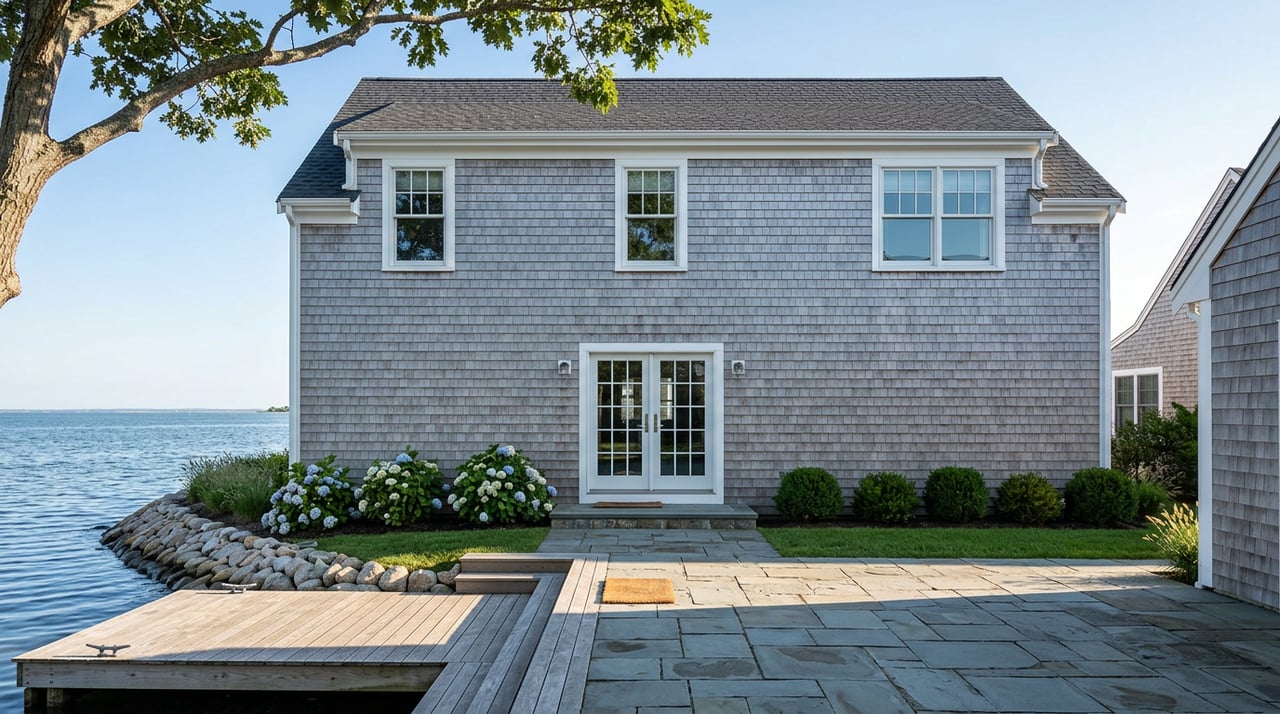
You will commonly see seawalls or stone revetments, private docks, decks, and stairs to the beach. Coastal construction often uses corrosion-resistant fasteners, pressure-treated or composite decking, robust roofing and siding, and mechanical systems placed above the design flood elevation. FEMA and industry guidance highlight elevating living areas and using flood-damage-resistant materials below design elevations. For a helpful technical overview of hazard-resistant design, review the WBDG hazard mitigation page.
Newer rebuilds typically elevate main living spaces. Pay attention to the location of electrical panels, HVAC units, and storage. Well-sited mechanicals can reduce both risk and insurance costs.
You buy near Compo with open exposure to the Sound. You get big-water views and a quick walk to the beach, along with higher wind and wave exposure. Insurance and maintenance may be higher, and any shoreline changes will likely involve state and local permits. This is often a fit if daily beach access and horizon views are your top priorities.
You buy on the Saugatuck River or in a sheltered harbor. You trade open horizon views for calmer water, potential dockage, and a bit more protection from wave action. You still need to confirm flood zone status, dock permits, and insurance. This is often a fit if boating access and a quieter shoreline are higher on your list.
Use this as your quick-reference when you see “waterfront,” “dock,” or “private beach” in a listing:
Buying waterfront in Westport is about clarity. When you understand your flood zone, permits, maintenance needs, and lifestyle tradeoffs, you can move forward with confidence. If you want a guided process that blends local market insight with hands-on coordination, connect with Jennifer Lockwood for a complimentary consultation. From neighborhood tours and insurance introductions to contractor and permit guidance, you will have a trusted advisor by your side.



Coastal vibes vs. urban convenience - comparing lifestyle, neighborhoods, commute, and costs.
With a deep understanding of the luxury market and a commitment to staying ahead of the curve when it comes to technology and communication, I am able to provide a truly unparalleled level of service to my clients.