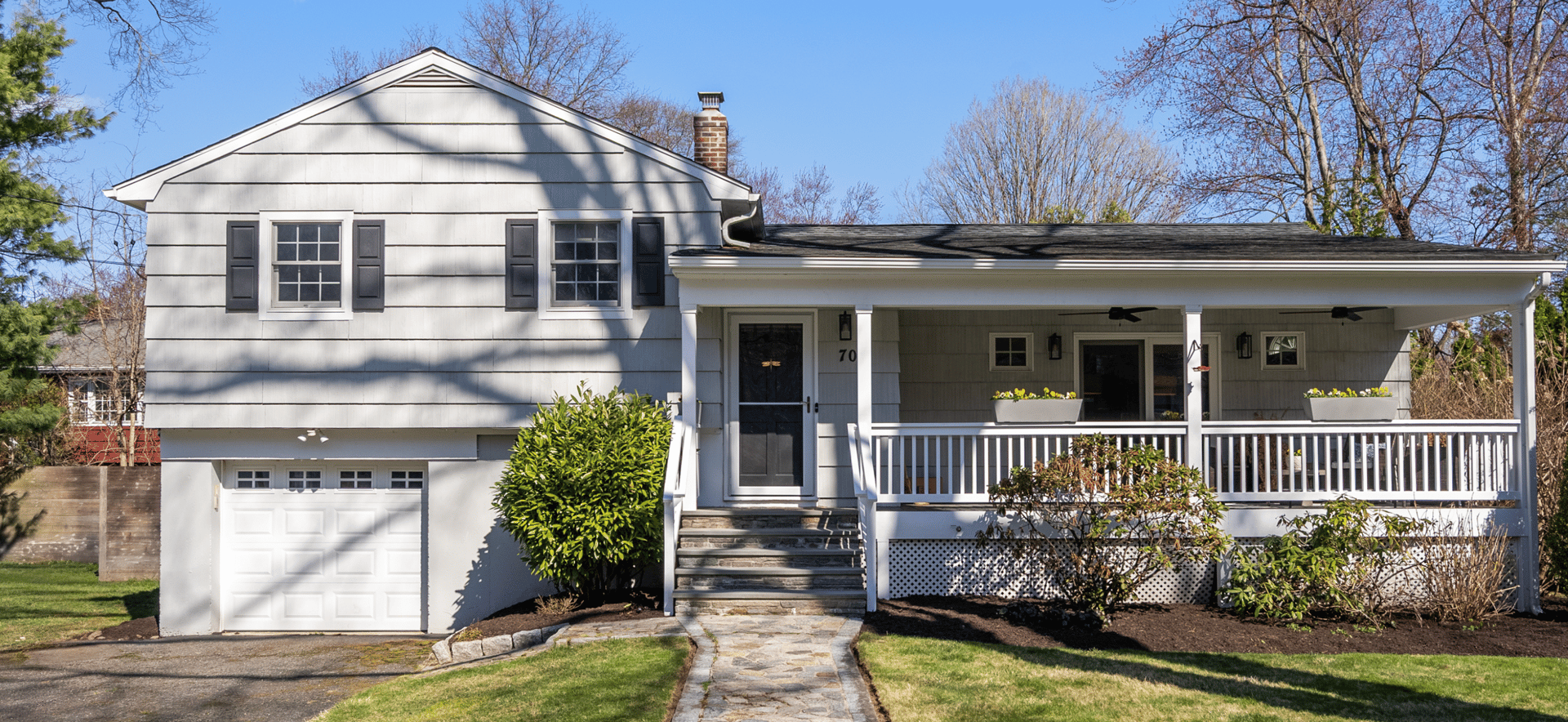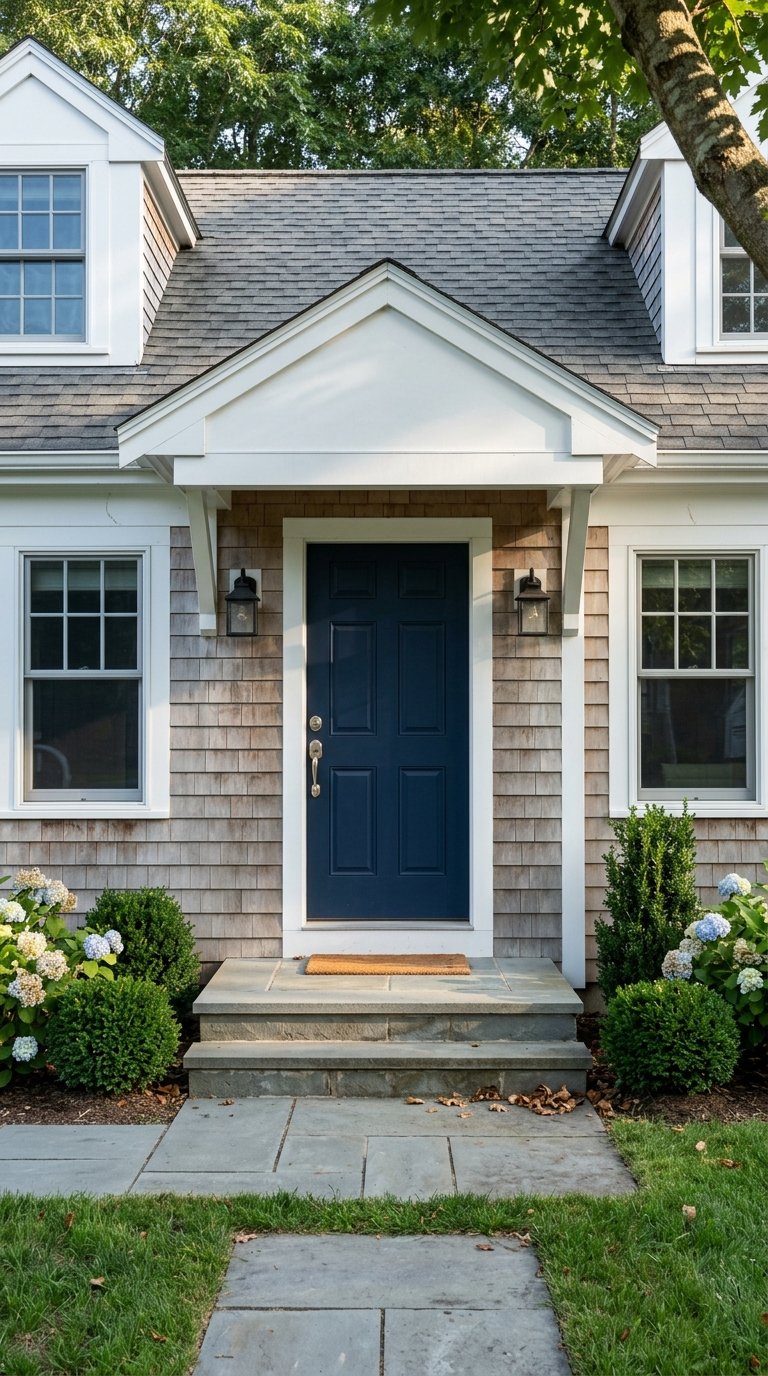
Move-Up Buyer Guide To Fairfield CT
Blog April 16, 2026
Blog April 16, 2026
If you love Fairfield but feel like your current home no longer fits the way you live, you are not alone. Many move-up buyers are trying to balance more space, a different layout, commute needs, school assignment questions, and a fast-moving market all at once. The good news is that with the right plan, you can make a smart next move with fewer surprises. Let’s dive in.
Fairfield gives you a mix of coastal living, commuter convenience, and a primarily residential setting that continues to draw buyers from both within Fairfield County and the broader metro area. According to the Town of Fairfield’s annual report, the town sits on Long Island Sound, is served by I-95, the Merritt Parkway, and Metro-North, and has three Metro-North stations. The same report notes Fairfield is about 50 miles from New York City, which helps explain its appeal for buyers who want more space without losing regional access.
For many households, the move-up decision is not just about square footage. It is about finding a home that better supports daily life, whether that means extra bedrooms, a dedicated office, more outdoor space, or a different location within town. In Fairfield, those choices often come with meaningful price jumps between submarkets, so planning ahead matters.
One of the biggest challenges for move-up buyers is understanding how quickly pricing can rise as your wish list expands. Fairfield is an expensive market overall, but the price step from one segment to another is not always obvious until you start comparing property types, ZIP codes, and neighborhood-level trends.
As of March 2026, there were 155 homes for sale, a median list price of $1.187 million, a median 30 days on market, and a 100% sale-to-list ratio. There are notable variations across Fairfield, with median listing prices around $775,000 in Stratfield Village, about $2.150 million in Fairfield Beach, and roughly $2.550 million in Greenfield Hill.
If you are moving up from a condo or a smaller starter home, the jump can be substantial. In early 2026, Realtor.com showed a median listing price of about $744,450, while the broader 06825 ZIP had a median home sale price of $714,000. By comparison, 06824 had a median sale price of $1.589 million and a median list price of about $1.975 million. That variation is due to the beach area in 06824 and luxury condominiums.
Fairfield remains competitive, but it is not one-size-fits-all. Townwide numbers show a strong seller’s market, yet neighborhood and price-band differences can create very different buying experiences.
The market was very hot in February and March 2026. Days on market also varied across submarkets, with Stratfield Village at 23 days, Fairfield Beach at 29 days, and Greenfield Hill at 107 days. That spread suggests that while Fairfield overall is competitive, negotiation dynamics may differ depending on where and what you are buying.
Other data points tell a similar story, for January and February 2026 homes pending were around 9 days, a median sale-to-list ratio of 100.6%, and 57% of sales over list. In plain English, you should be prepared to move quickly.
In a competitive town, preparation gives you leverage. Before you actively shop, it is smart to understand your financing options, monthly comfort level, and maximum purchase range.
The CFPB recommends that buyers contact multiple lenders and explore loan choices before they find the right home. That advice is especially important for move-up buyers because your financing may depend on equity from your current home, your expected sale timing, or your ability to carry two homes for a period of time. I always recommend a number of sources for my clients to rate shop.
Down payment expectations may also be more flexible than you think. Freddie Mac notes that buyers often put down 5% to 20%, and some programs may allow as little as 3% down. If your down payment is under 20%, private mortgage insurance is usually required, so it is worth discussing the full monthly payment with your lender, not just the loan amount. Keep in mind that in multiple-offer situations, your down payment can influence how your offer is perceived. Higher down payments often signal stronger financial stability compared to an offer with 3% down.
For most move-up buyers, the biggest strategic question is timing. Do you sell first, buy first, or try to line up both transactions at nearly the same time?
A home-sale-contingent offer can reduce your risk if you need your current home to sell before you can close on the next one. According to Freddie Mac’s guidance on contingencies, this type of contingency can protect the buyer, but it is also a risk from the seller’s point of view because the other home may not sell. In a market like Fairfield, where homes often move quickly, that can make a contingent offer harder to win. Most competitive offers are not considering offers with home contingencies.
Another option is a bridge or swing loan if you want to buy before your current home sells. Bridge loans are an acceptable source of funds when the lender documents the borrower’s ability to carry the new home, the current home, the bridge loan, and other obligations. This can create flexibility, but it also raises the importance of clear financial planning.
There is no single best sequence for every household. The right approach usually depends on your equity position, cash reserves, risk tolerance, and how flexible you can be if the right Fairfield home appears before your current property is under contract.
If your move-up plan depends on proceeds from your current home, be realistic about what it costs to sell. That helps you avoid overestimating what will be available for your next purchase.
Seller closing costs often include real estate commissions of 3% to 5% of the sale price, plus another 2% to 4% in fees and taxes. Connecticut charges a state real estate conveyance tax on residential property at 0.75% up to $800,000, 1.25% on the portion from $800,000 to $2.5 million, and 2.25% above $2.5 million.
For move-up buyers in Fairfield, this matters because higher-value homes can create larger transaction costs on both sides of the move. A clear net sheet for your current home and a realistic purchase budget for your next one can make your search much more focused.
As you narrow your options, keep your decision-making centered on a few practical questions rather than trying to solve everything at once.
Ask yourself:
These questions can help you act quickly without feeling rushed. In a town like Fairfield, the buyers who do best are often the ones who prepare early, understand the numbers, and stay disciplined when the right opportunity appears.
Moving up in Fairfield can be exciting, but it is also a more layered decision than simply buying a larger house. You are balancing market speed, tax impact, financing structure, selling costs, and neighborhood-level pricing differences, often on a tight timeline.
That is why local guidance matters. When you understand how Fairfield’s submarkets behave and how your sale and purchase can work together, you can make stronger decisions with less stress. If you are thinking about your next move in Fairfield, connect with Jennifer Lockwood for a complimentary market consultation and a tailored strategy for your sale and purchase.
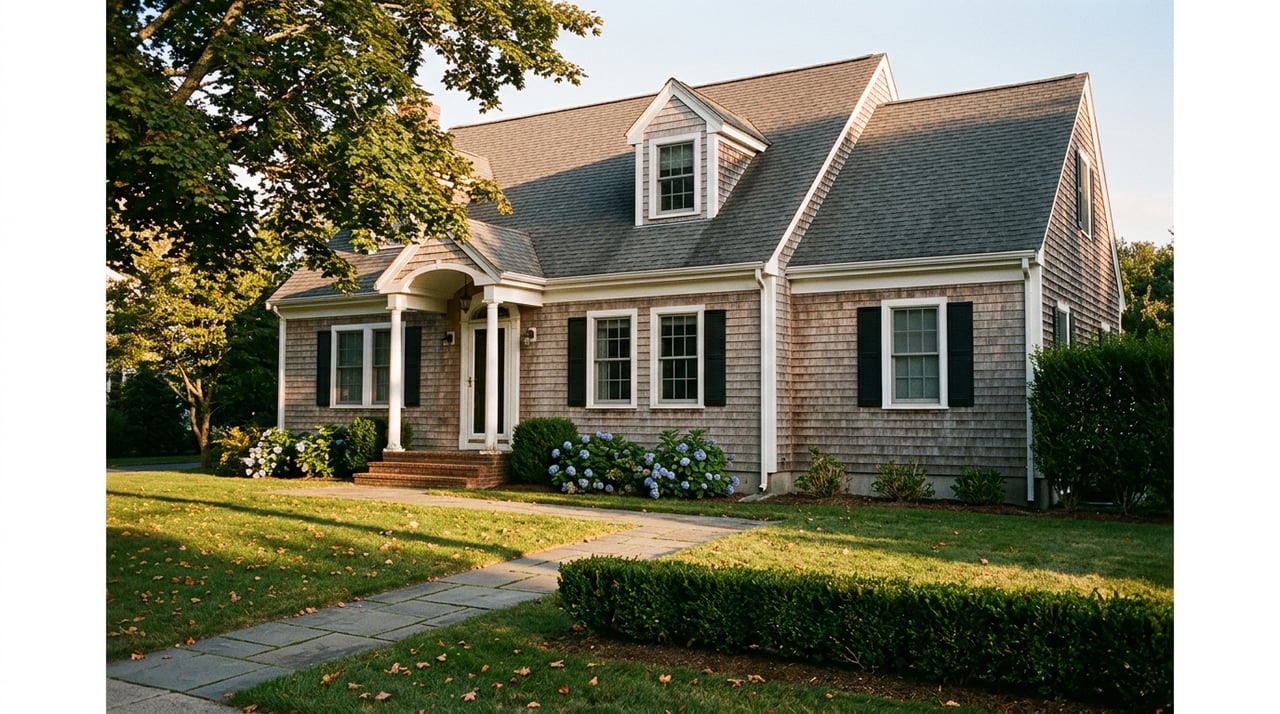

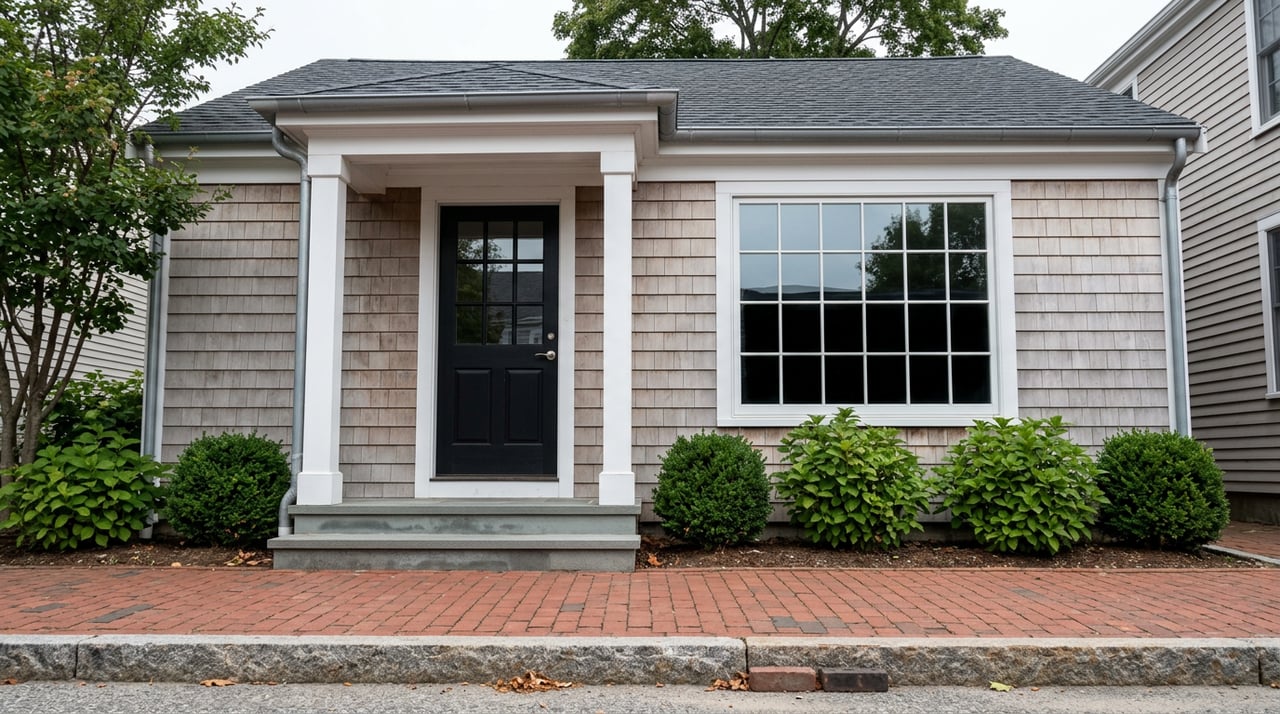



With a deep understanding of the luxury market and a commitment to staying ahead of the curve when it comes to technology and communication, I am able to provide a truly unparalleled level of service to my clients.