
Westport CT Relocation Guide for NYC Buyers
April 23, 2026
April 23, 2026
Thinking about trading your NYC apartment routine for more space, shoreline access, and a train ride back to Manhattan? Westport often lands on that shortlist for a reason. If you are considering a move, this guide will help you understand what Westport housing looks like, what the market is doing, how commuting works, and what to expect from the Connecticut buying process. Let’s dive in.
Westport is a coastal town on Long Island Sound about 40 miles from New York City, and the town describes it as a live-work-play community with strong regional access. You can reach Westport via I-95, US-1, the Merritt Parkway, two Metro-North stations, Amtrak, and local commuter shuttle service. That mix is a big reason the town appeals to buyers who want more flexibility without giving up connection to the city.
For many relocators, Westport offers a different kind of daily rhythm. You may find larger lots, more privacy, and easier access to beaches, parks, and recreation than you are used to in NYC. At the same time, you still have practical commuting options and an active town environment that supports year-round living.
Westport is firmly a high-price market, so it helps to set expectations early. As of March 31, 2026, the SMART MLS reported an average home value of $2,090,000, a median list price of $2,674,000, 95 homes for sale, and 12 days to pending in Westport. All points to strong demand and a fast-moving market in many segments.
It is also important to know that Westport is not one simple price point. The gap between asking and sale metrics suggests a segmented market, where location, lot size, condition, and housing style can create major pricing differences. In practice, many single-family home searches start in the low-to-mid $2 million range, while waterfront, beach-adjacent, and estate-style properties can go well above that.
According to Westport housing data reported by Zillow, the town remains competitive by both price and pace. Realtor.com also places Westport’s median listing price at $2.895 million, with higher neighborhood medians in areas like Compo-Owenoke and Greens Farms. For NYC buyers, that means your budget should match not just the town, but the type of Westport lifestyle you want.
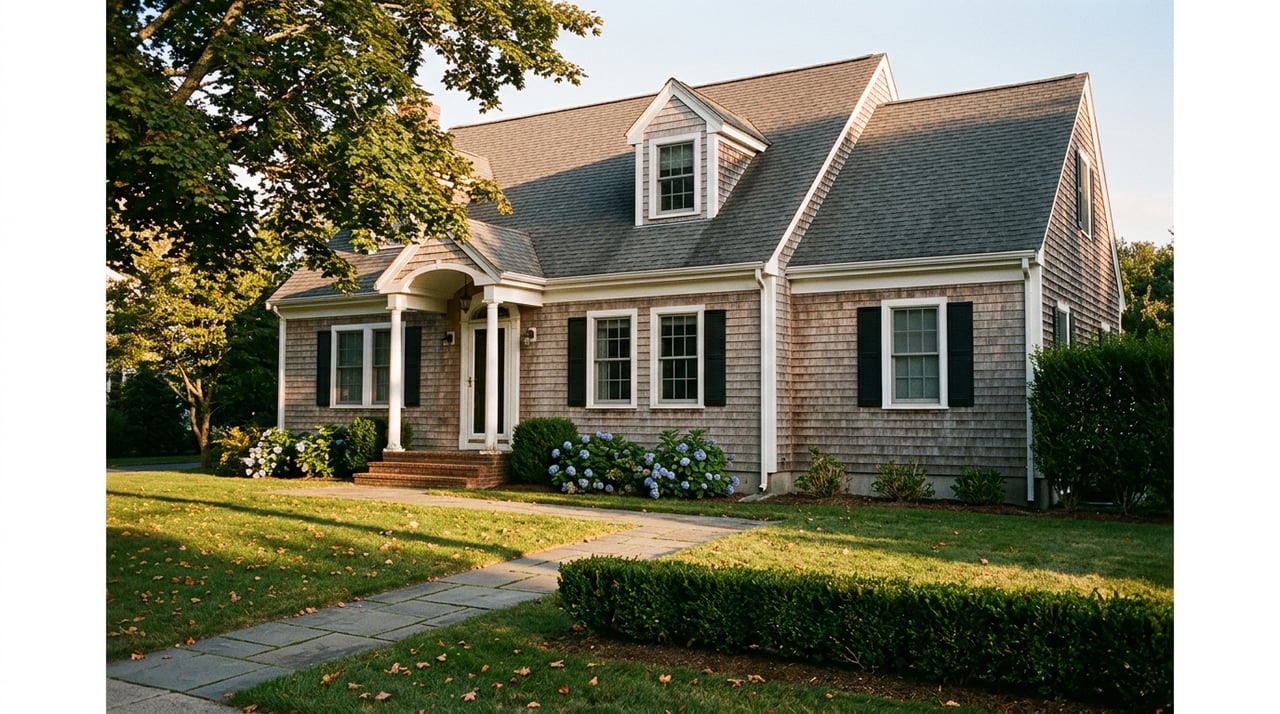
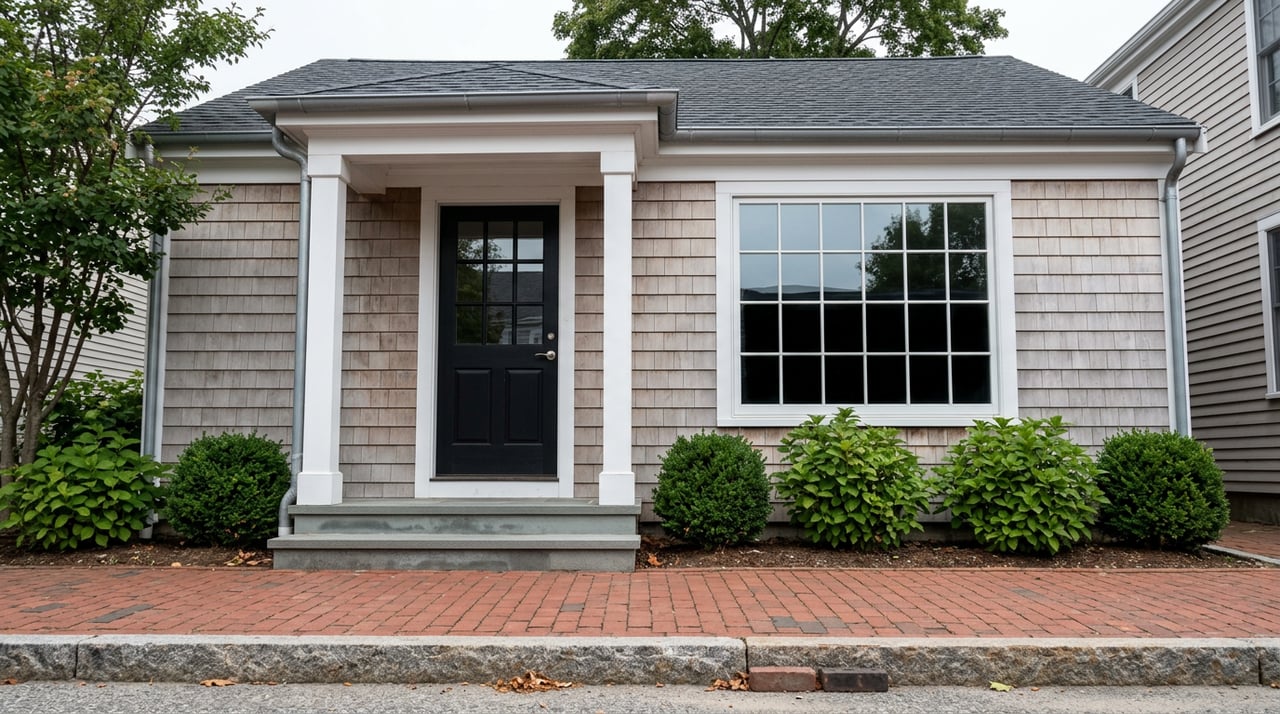
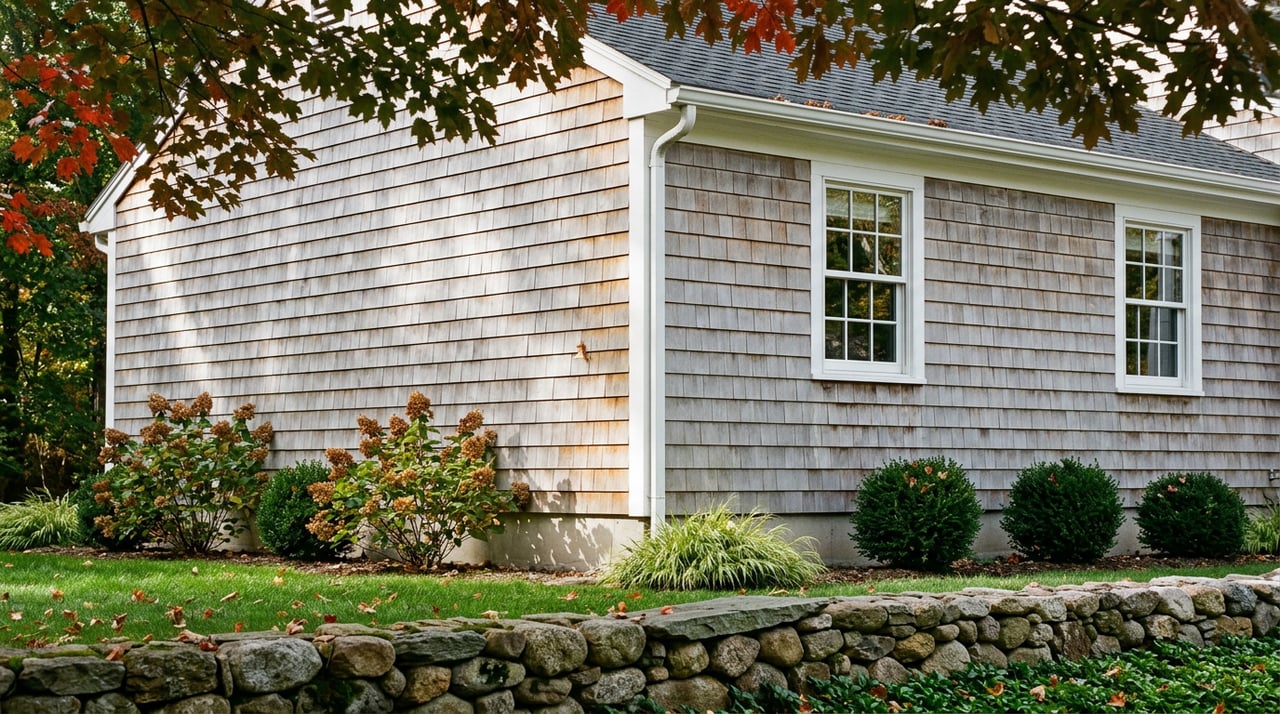
Westport’s housing stock is one of the town’s biggest draws because it is varied and layered. The town’s historical record describes a mix of colonial homesteads, Victorian maritime community homes, country estates, seaside cottages, and more suburban residences. In everyday search terms, you are likely to encounter Colonials, Dutch Colonial Revivals, Capes, Ranches, and Raised Ranches.
You will also notice that older homes, renovated properties, and new construction often sit on the same street. Westport notes that teardown pressure has been significant, which means change is part of the town’s current housing landscape. If you are moving from NYC, this can be a plus because it gives you more options, whether you prefer character, turnkey finishes, or newer systems.
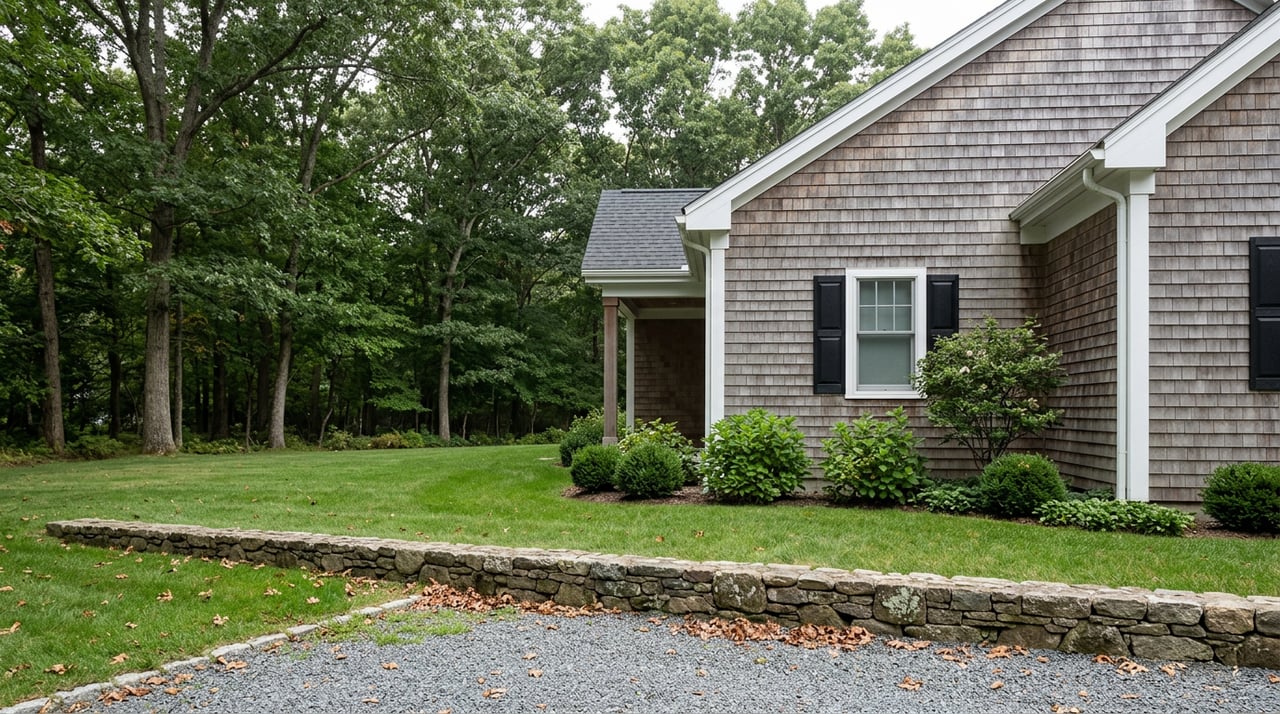
Westport says single-family homes are primarily on 1- and 2-acre lots, though there are also more walkable in-town residences. That means your home search can look very different depending on whether you want a neighborhood with a tighter village feel, a beach-area setting, or more land and privacy inland. This variety is one reason Westport works for buyers with different priorities.
If you are open to updating a property, Westport can offer real opportunity. At the same time, older homes require careful review, especially when systems, foundation history, or exterior approvals may affect your plans. Connecticut now requires both the Residential Property Condition Report and the newer Residential Foundation Condition Report, which took effect July 1, 2025.
If a home is located in a Local Historic District or designated a Local Historic Property, visible exterior work may require a Certificate of Appropriateness from Westport before a building permit is issued. That does not mean you should avoid these homes. It simply means you should understand the approval process before budgeting for renovations.
For many NYC relocators, commuting is the make-or-break issue. Westport is served by two Metro-North New Haven Line stations: Westport and Green’s Farms. The Westport station details from the MTA note full accessibility features including elevators, ramps, tactile warning strips, audiovisual passenger information, ticket machines, a waiting area, and restrooms.
Green’s Farms also serves commuters, though its accessibility setup differs. It has ticket machines and ramp access, but no accessible path between platforms. If station access matters for your household, it is worth comparing both locations as part of your home search.
For weekday commuting, the MTA says peak tickets are required on trains arriving at Grand Central between 6 a.m. and 10 a.m. and departing between 4 p.m. and 8 p.m. That is a useful budgeting detail if you expect a regular in-office schedule.
Westport also offers practical local transit support. The town’s Wheels2U shuttle service is an on-demand shared ride option between most of town and the Saugatuck and Green’s Farms stations. It runs during key commuting windows, costs $2, and accepts the Metro-North UniTicket.
That can be especially helpful if you are trying to reduce the need for daily station parking or if your household shares one car. The town also points to Coastal Link bus service along Route 1 and broader transit through the Norwalk Transit District.
If your workweek is split between home, office, and regional travel, road access matters too. Westport highlights I-95, US-1, and the Merritt Parkway as major connections. For buyers who plan to commute some days by train and some days by car, that flexibility is part of Westport’s appeal.
A relocation decision is rarely just about square footage. You are also choosing how your week feels when you are not working. Westport stands out because it combines commuter access with shoreline recreation, cultural amenities, and everyday town resources.
The town’s beach options are a major draw. Compo Beach is a 29-acre park with a large sand beach, pavilion, concession stand, volleyball courts, playscape, bathhouse, lockers, marina access, and sports courts. Burying Hill Beach and Old Mill Beach add more shoreline choices, though beach parking rules and in-season fees or emblems apply.
Longshore Club Park adds another layer of year-round use. The Longshore facility listing describes a 169-acre park with an 18-hole golf course, driving range, tennis courts, pools, marina, sailing school, pavilion, and winter rink. For many buyers, that broad recreation menu makes Westport feel like a full-time town, not just a summer destination.
Westport also offers strong civic and cultural amenities. The town highlights the Westport Library, Westport Country Playhouse, the Museum of Contemporary Art, Earthplace, Wakeman Town Farm, the weekly farmers market, and Levitt Pavilion performances as part of daily life. If you are coming from NYC, that mix can help ease the transition because there is still plenty to do close to home.
One of the biggest surprises for NYC buyers is how attorney-driven Connecticut real estate can be. Under Connecticut law, a real estate closing must be conducted by a Connecticut-admitted attorney, and state guidance says attorneys are almost always involved in the process. The state also advises buyers to have an attorney oversee paperwork and legal aspects of the transaction.
That changes the rhythm of a purchase if you are used to a different process in New York. It also means you should line up the right professionals early, especially in a fast-moving market like Westport.
According to state law, a few points matter most:
If you are relocating, this is where having organized, local guidance helps. A smooth move often comes down to understanding the process, timelines, and decision points before you are under contract.
Your monthly housing budget in Westport should include more than the purchase price. Property taxes are an important part of total ownership cost, especially at higher price points. Westport says tax bills are issued once a year, and the Board of Finance set the FY2025-26 mill rate at 18.86 mills.
The town also notes that the 2025 revaluation increased the grand list by just over 50 percent, but that does not mean every tax bill changed in the same way. Each bill depends on the home’s new assessment and the approved budget. If you are comparing homes, it is smart to evaluate taxes on a property-by-property basis rather than assuming one rule fits all.
You can review the town’s tax collector FAQ and mill rate information as part of your budgeting process. For relocators, this is one of the most important steps in turning a search price into a realistic ownership plan.
Westport can be a great fit, but it rewards a focused search. Before you jump in, keep these practical points in mind.
In Westport, convenience can mean different things. For one buyer, it is quick station access. For another, it is proximity to the beach, more land, or a more walkable in-town setting. Knowing which tradeoffs matter most will help you search more strategically.
A lower price point may mean taking on updates, compromising on location, or expanding your timeline. A higher budget may open the door to more turnkey options, larger lots, or stronger alignment with specific lifestyle priorities. In Westport, pricing and housing style are closely connected.
Older housing stock, recent renovations, and local rules around historic properties make pre-offer preparation especially important. You will want to understand disclosures, inspection strategy, and any renovation constraints before moving too far into a transaction.
If you are moving from NYC, Westport offers a compelling mix of commuter practicality, coastal lifestyle, and a wide range of housing styles. It is also a market where local context matters. Pricing varies by location and property type, inventory can move quickly, and the Connecticut process has its own rules.
The right plan starts with clarity about your budget, commute, housing style, and lifestyle priorities. If you want local guidance as you compare options in Westport and across lower Fairfield County, Jennifer Lockwood offers thoughtful, hands-on support for relocation buyers who want to move with confidence.





With a deep understanding of the luxury market and a commitment to staying ahead of the curve when it comes to technology and communication, I am able to provide a truly unparalleled level of service to my clients.