
Should You Renovate Before Selling In Fairfield CT
May 21, 2026
May 21, 2026
Wondering if you should pour money into renovations before listing your Fairfield home? In a market where well-presented homes can still draw strong buyer attention, the real question is not whether you can renovate, but whether you should. The right pre-sale updates can help your home stand out, while the wrong ones can cost time, money, and momentum. Here’s how to think about renovations before selling in Fairfield, CT, and where your investment is most likely to pay off.
Fairfield remained a seller’s market as of April 2026, with 166 homes for sale, a median listing price of $1.212 million, median days on market of 28, and a sale-to-list ratio of 103 percent. That tells you buyers are active, but it does not mean every home will sell at its best without preparation.
The local market is also highly segmented. Median listing prices vary widely by area, from about $699,000 in Stratfield Village to roughly $2.1495 million in Fairfield Beach and $2.499 million in Greenfield Hill. In other words, the right renovation plan depends on your home’s price point, condition, and direct competition.
Broader Fairfield County numbers show a similar pattern. In March 2026, the county had a median sale price of $646,000, median days on market of 44, and 53.3 percent of homes sold above list. Buyers are willing to compete, but they still notice condition, presentation, and upkeep.
For most sellers, the best answer is yes to a limited refresh and no to a full remodel. If you are getting ready to list soon, smaller visible updates usually make more sense than major, taste-driven construction.
That approach lines up with both local market conditions and broader remodeling data. Buyers are often less willing to overlook worn finishes or obvious maintenance issues, so homes that feel clean, cared for, and move-in ready tend to show better in photos and in person.
If your goal is to improve marketability without overspending, start with the basics that buyers see right away.
According to the 2025 Remodeling Impact Report, the most commonly recommended pre-listing projects included painting the entire home, painting one interior room, and replacing a worn roof. Fresh paint in neutral tones can make spaces feel brighter, cleaner, and easier for buyers to picture as their own.
Minor repairs also matter. Scuffed trim, loose hardware, cracked caulk, worn flooring, or aging fixtures may seem small, but together they can signal deferred maintenance. Addressing visible wear is often one of the smartest ways to strengthen your first impression.
Cleaning and decluttering are some of the most effective steps you can take before listing. The same national staging data found that decluttering, cleaning the entire home, and improving curb appeal were among the most common seller-prep recommendations.
This matters because buyers often form opinions quickly. A clean, streamlined home tends to photograph better, feel larger, and make it easier for buyers to focus on the home itself instead of your belongings.
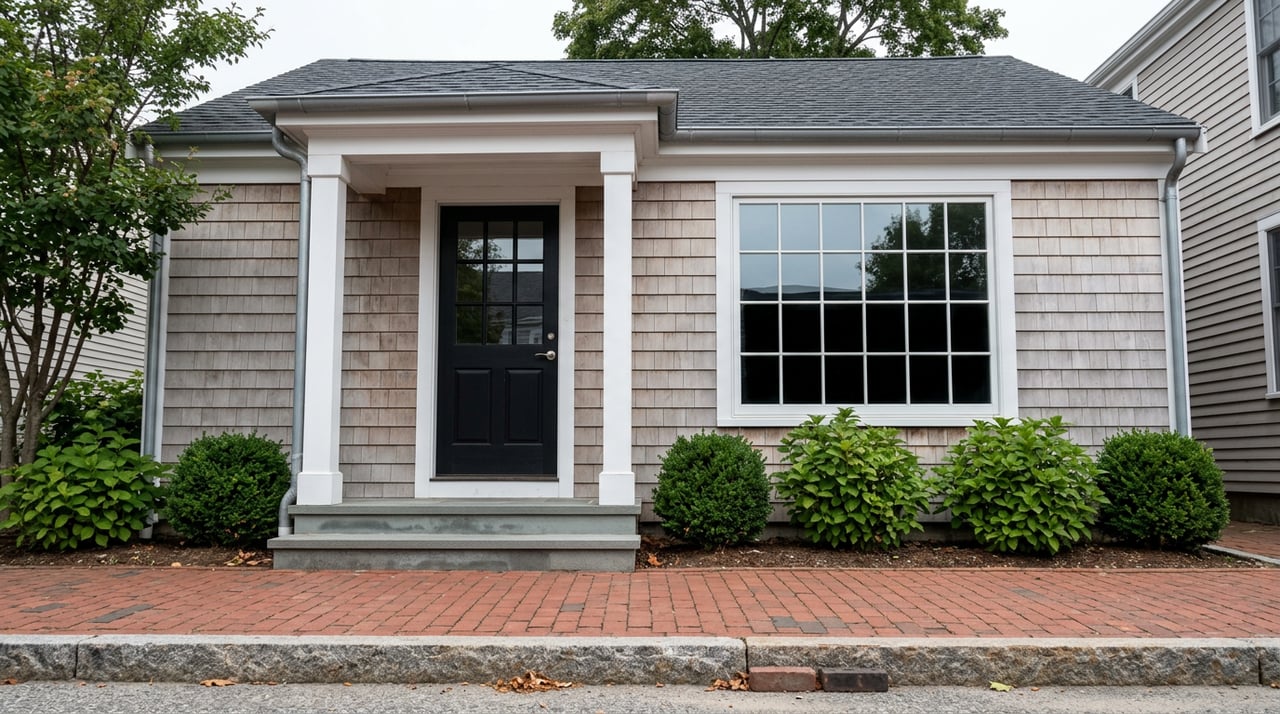
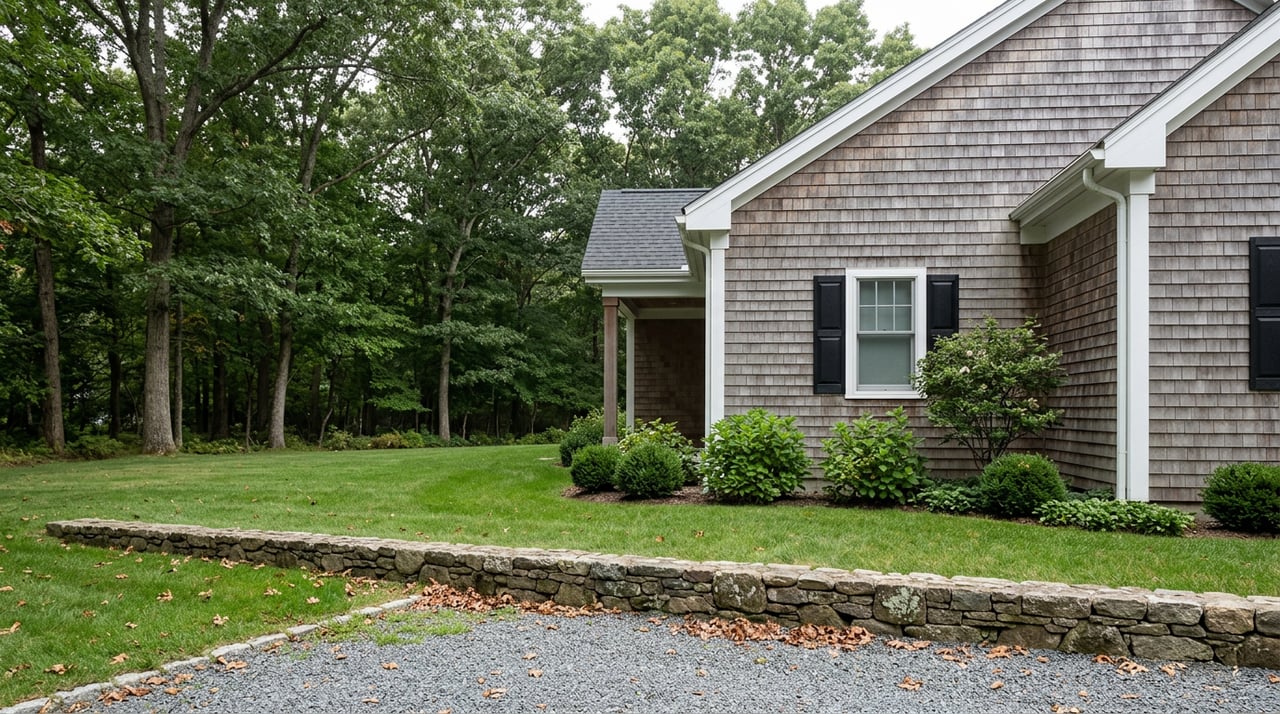
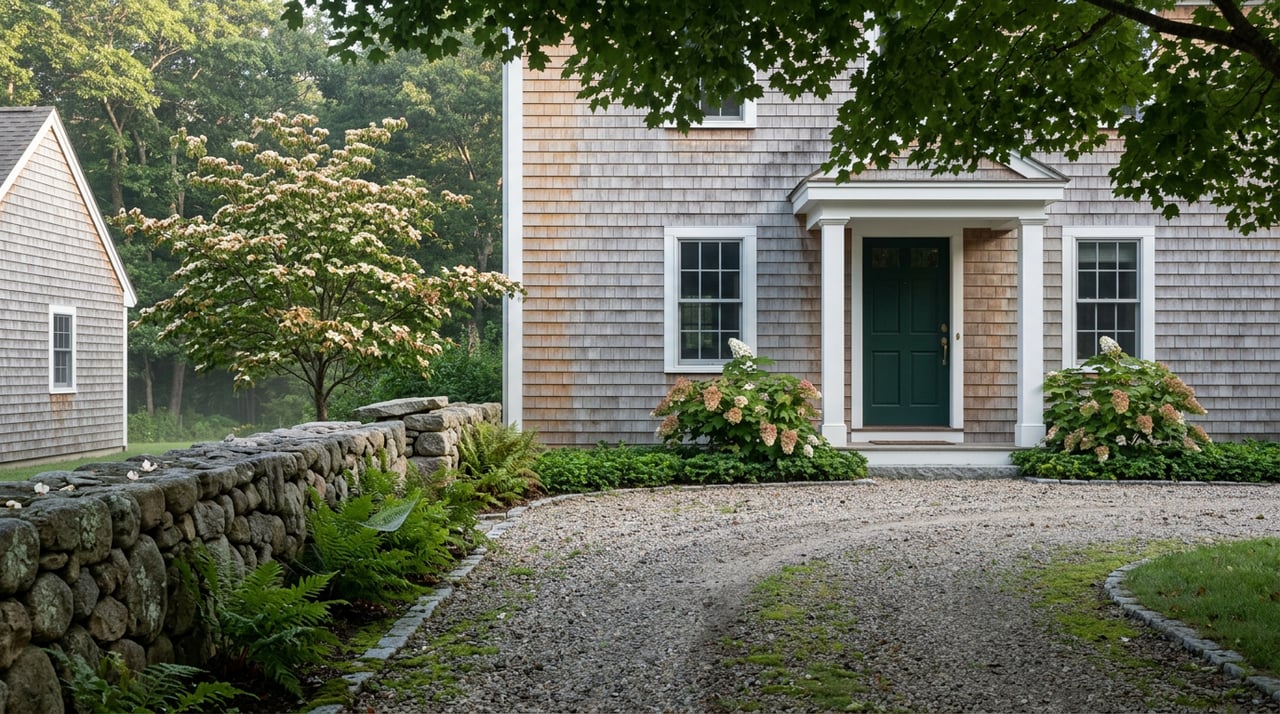
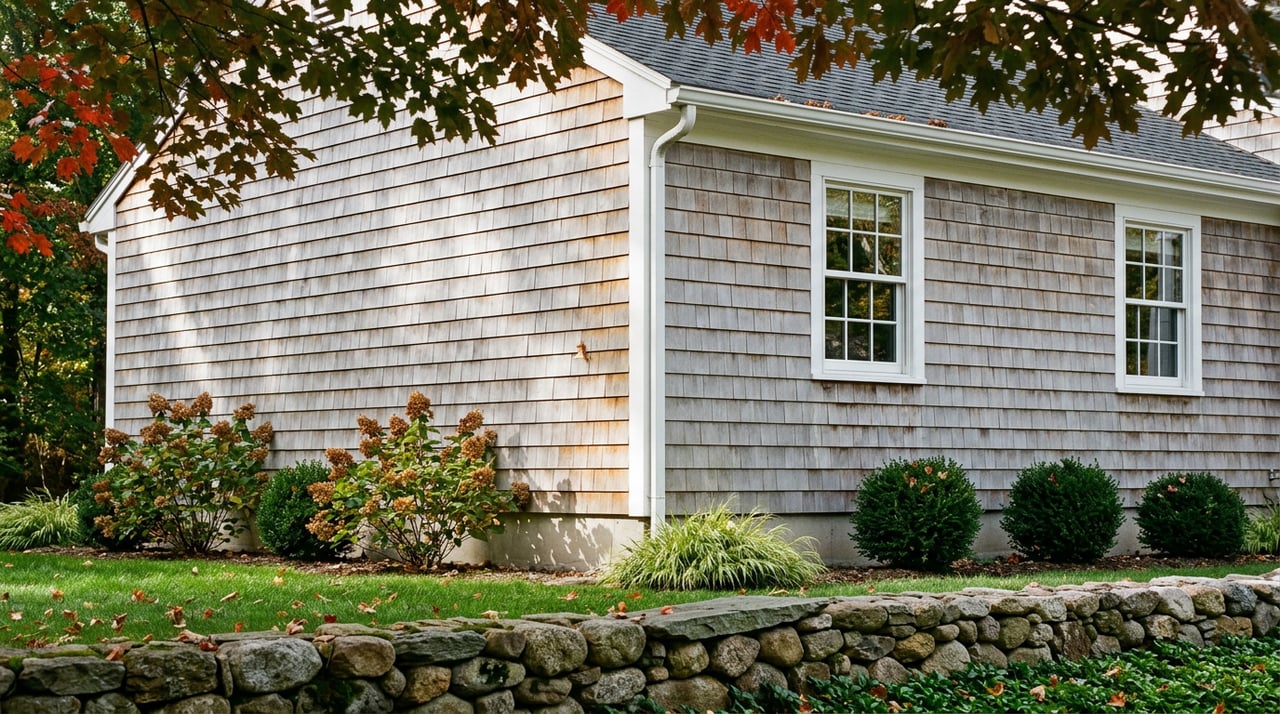
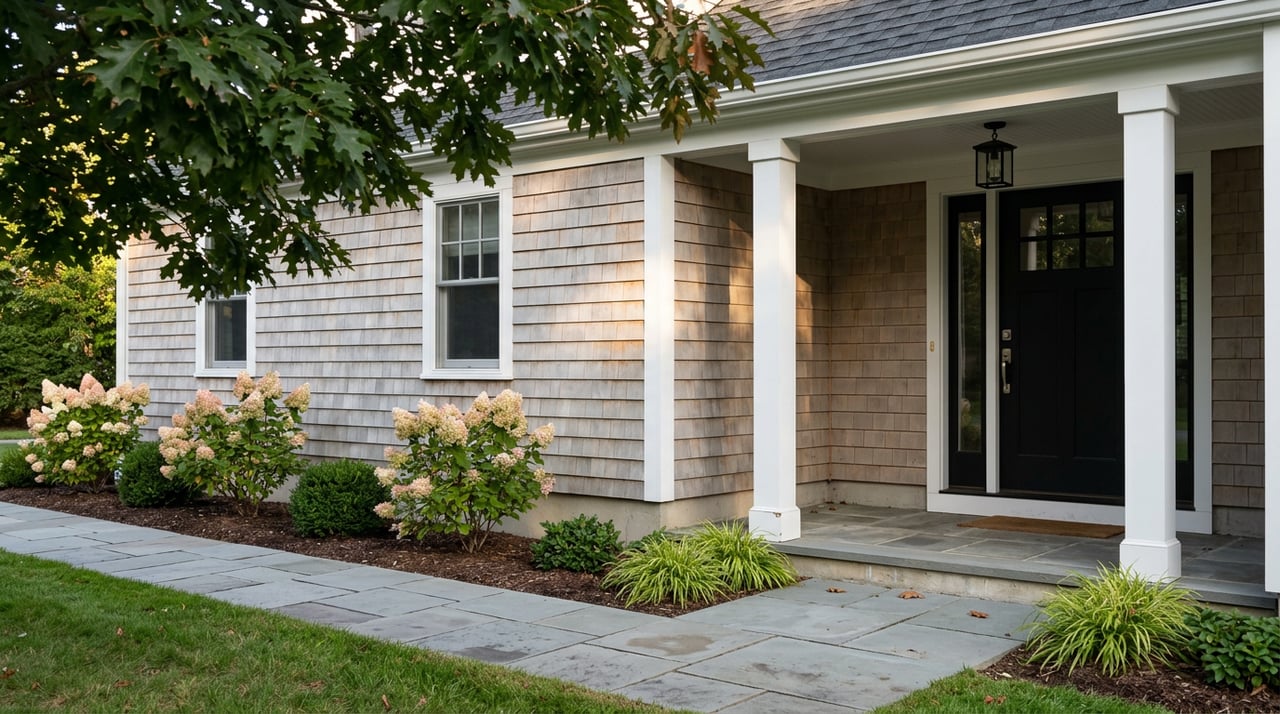
Exterior appearance carries a lot of weight, especially online where buyers often decide whether to schedule a showing based on photos alone. Simple curb appeal work like fresh mulch, trimmed landscaping, a cleaner front entry, or updated lighting can improve that all-important first look.
National cost-versus-value data also points strongly toward exterior work. In Zonda’s 2025 Cost vs. Value report, exterior replacement projects ranked among the strongest performers for cost recovery, including garage door replacement, steel door replacement, stone veneer, and fiber-cement siding replacement.
Staging can be worth serious consideration, especially in higher price points where presentation plays a large role. In NAR’s 2025 Profile of Home Staging, 83 percent of buyers’ agents said staging made it easier for buyers to picture the home as their future residence.
The same report found that 29 percent of agents saw a 1 percent to 10 percent increase in the dollar value offered from staging, while 49 percent of sellers’ agents said staging reduced time on market. That does not mean every home needs full-service staging, but selective staging in key rooms can support a stronger launch.
It is easy to assume a big remodel will bring a bigger sale price, but that is not always how resale works. In many cases, major renovations are more rewarding for the current owner than for the seller trying to maximize short-term return.
A modest kitchen refresh can make sense if your space feels dated or tired. But a full custom kitchen renovation is usually a different story.
National data suggests smaller, broad-appeal improvements tend to outperform large discretionary interior remodels. Unless your kitchen has a clear functional problem or severe wear that hurts marketability, a lighter update is often the safer move.
Large expansions can be expensive, time-consuming, and difficult to recoup fully at resale. While buyers may appreciate the added space, these projects often involve more design choices, more permits, and more risk if your timing is tight.
If you are selling soon, these are usually projects for the next owner to tailor to their preferences.
Projects with a strong personal style can narrow your buyer pool instead of broadening it. Bold tile choices, custom built-ins, specialty rooms, or unusual design decisions may not align with what the next buyer wants.
When you are preparing for resale, broad appeal usually wins. Neutral, clean, and well-maintained is often more valuable than expensive and highly specific.
Before you commit to a renovation, think about the calendar. If your goal is to list soon, timing may be just as important as return on investment.
In Connecticut, many home improvement projects require a building permit, and the permit must be in place before work begins. The homeowner is ultimately responsible for making sure the right permit has been obtained, even if a contractor pulls it.
Fairfield also adds a zoning layer. No building or structure may be constructed, reconstructed, enlarged, extended, moved, or structurally altered until a Certificate of Zoning Compliance has been approved and any required building permit has been issued.
That means major work can create delays, add paperwork, and introduce inspection or approval issues at exactly the point when you may want a fast, smooth listing process. If you already completed permitted work, keep your records organized. Buyers and their agents may ask for permit documentation, inspection sign-offs, and contractor information.
If you are unsure where to spend and where to stop, use this simple framework.
For many Fairfield sellers, the best plan is surprisingly simple.
You may benefit most from painting, deep cleaning, decluttering, light repairs, landscaping touch-ups, and targeted staging. If an exterior element is clearly worn, such as an aging front door, garage door, or siding, a replacement may be worth exploring.
By contrast, a full-scale remodel right before listing can tie up capital and delay your market entry without guaranteeing a stronger outcome. In a market where buyers are active but selective, polished presentation often beats over-improvement.
Because Fairfield is a micro-market town, renovation decisions should be tied to your specific home, your competition, and your ideal buyer pool. What makes sense for a property in Greenfield Hill may not be the same strategy for a home in Stratfield Village or Fairfield Beach.
That is where local pricing strategy and project planning matter. The goal is not to do the most work possible. The goal is to do the right work, so your home enters the market looking compelling, well cared for, and aligned with buyer expectations in your segment.
If you’re weighing pre-sale updates and want a clear, market-specific plan, Jennifer Lockwood can help you decide what’s worth doing, what to skip, and how to prepare your home for a strong launch.



Coastal vibes vs. urban convenience - comparing lifestyle, neighborhoods, commute, and costs.
With a deep understanding of the luxury market and a commitment to staying ahead of the curve when it comes to technology and communication, I am able to provide a truly unparalleled level of service to my clients.